Polypropylene Resin Properties: Mechanical, Thermal, and Chemical Performance Guide
Polypropylene resin properties make it one of the most widely used thermoplastic materials in modern industries. Polypropylene (PP) is valued for its excellent balance of mechanical strength, chemical resistance, lightweight structure, and cost efficiency. These properties allow polypropylene to be used in packaging, automotive, textiles, household products, and industrial applications. Chambroad, as a leading advanced materials manufacturer, provides high-performance polypropylene solutions with stable and consistent material properties.
Overview of Polypropylene Resin Properties
Polypropylene resin properties are determined by its semi-crystalline polymer structure, which provides a combination of rigidity and toughness. The performance of PP can also be adjusted through copolymerization and additives to meet specific application requirements.
Mechanical Polypropylene Resin Properties
High Stiffness
Polypropylene offers strong rigidity, making it suitable for structural and load-bearing applications.
Good Impact Resistance
Impact copolymer PP grades provide improved toughness, especially at low temperatures.
Excellent Fatigue Resistance
PP can withstand repeated bending and flexing, making it suitable for living hinges and durable components.
Low Density
With a density of around 0.90 g/cm³, polypropylene is one of the lightest commercial plastics.
Thermal Polypropylene Resin Properties
Moderate Heat Resistance
Polypropylene typically has a melting point around 160–170°C, allowing it to perform in moderate-temperature environments.
Good Heat Deflection Stability
Certain grades maintain dimensional stability under elevated temperatures.
Thermal Insulation
PP has low thermal conductivity, making it useful in packaging and insulation applications.
Chemical Polypropylene Resin Properties
Excellent Chemical Resistance
Polypropylene is resistant to acids, alkalis, and many solvents, making it suitable for chemical and industrial environments.
Low Moisture Absorption
PP does not absorb water easily, ensuring stable performance in humid conditions.
Resistance to Environmental Stress
It performs well under exposure to many industrial chemicals and cleaning agents.
Electrical Polypropylene Resin Properties
Good Electrical Insulation
Polypropylene is an excellent insulator, widely used in electrical and electronic applications.
Stable Dielectric Performance
It maintains consistent electrical properties across a wide range of conditions.
Optical Polypropylene Resin Properties
Variable Transparency
- Homopolymer PP: generally more opaque
- Random copolymer PP: improved clarity and transparency
Processing Polypropylene Resin Properties
Excellent Processability
PP is easy to process using injection molding, extrusion, and blow molding.
Fast Crystallization
This enables shorter cycle times and higher production efficiency.
Good Mold Flow
Certain grades are designed for thin-wall and complex-shaped products.
Key Advantages of Polypropylene Resin Properties
- Lightweight and cost-effective
- Strong mechanical performance balance
- High chemical resistance
- Easy processing and manufacturing flexibility
- Recyclable and environmentally friendly
Applications Based on Polypropylene Resin Properties
Packaging Industry
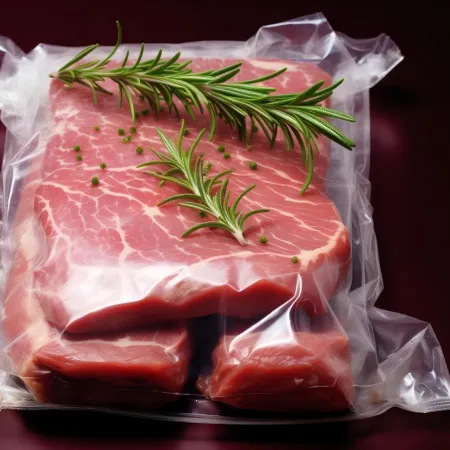
Used in containers, caps, films, and food packaging products.
Automotive Industry
Applied in dashboards, trims, bumpers, and interior components.
Textile and Fiber Industry
Used in nonwoven fabrics, ropes, and industrial fibers.
Household Products
Used in storage containers, kitchenware, and consumer goods.
Industrial Applications
Used in pipes, sheets, and chemical-resistant equipment.
Why Polypropylene Resin Properties Matter
Understanding polypropylene resin properties helps manufacturers:
- Select the correct material grade
- Improve product performance and durability
- Optimize processing conditions
- Reduce production costs
- Enhance end-use application reliability
Why Choose Chambroad Polypropylene Resin
Chambroad provides high-quality polypropylene resin with stable and optimized properties for industrial applications. With advanced production systems and strict quality control, Chambroad ensures consistent mechanical, thermal, and chemical performance across all product grades.
The company supports industries such as packaging, automotive, textiles, energy, and consumer goods with customized polypropylene solutions.
Future Development of Polypropylene Resin Properties
Future improvements in polypropylene resin properties focus on:
- Higher impact resistance and toughness
- Improved heat resistance for advanced applications
- Enhanced transparency and aesthetics
- Better recyclability and sustainability
- Application-specific performance optimization
Polypropylene will continue to evolve as a key engineering thermoplastic for global industries.