Polyolefin Elastomer vs EVA: A Technical Comparison
How POE compares to ethylene-vinyl acetate — performance, processing, and when to choose each material
If you're specifying materials for flexible applications, you've probably considered both polyolefin elastomer (POE) and ethylene-vinyl acetate (EVA). Both are flexible polyolefin-based materials, but they differ significantly in structure, properties, and optimal applications. Understanding these differences helps you make the right choice for your product.
At Chambroad, we produce Betopp-G POE grades for polymer modification and PV grades for photovoltaic encapsulation. Here's how POE stacks up against EVA — the incumbent material in many flexible applications.
Fundamental Structural Differences
The difference starts at the molecular level:
- POE: Copolymer of ethylene with alpha-olefins (octene, butene, or hexene). Hydrocarbon-only backbone provides excellent UV stability and hydrophobicity.
- EVA: Copolymer of ethylene with vinyl acetate (VA). The acetate groups introduce polarity, adhesion, and some moisture sensitivity.
This structural difference drives most of the performance distinctions between the two materials.
Property Comparison: POE vs EVA
| Property | POE (Ethylene-Octene) | EVA (18-28% VA) |
|---|---|---|
| Density | 0.850-0.890 g/cm³ | 0.930-0.950 g/cm³ |
| Hardness (Shore A) | 65-95 | 80-95 |
| Tensile strength | 8-25 MPa | 15-30 MPa |
| Elongation at break | 600-1000% | 400-800% |
| UV resistance | Excellent | Moderate (requires stabilizers) |
| Heat resistance | Good (up to 100°C) | Moderate (up to 80°C) |
| Moisture sensitivity | Very low (hydrophobic) | Moderate (VA groups absorb water) |
| Adhesion to polar substrates | Requires treatment | Good (inherent polarity) |
| Optical clarity | Excellent (>90%) | Good (85-92%) |
| Thermal stability | Excellent | Good (acetate can degrade) |
| Cost position | Moderate | Lower (commodity volume) |
Application-Specific Recommendations
Photovoltaic Encapsulant: POE Wins
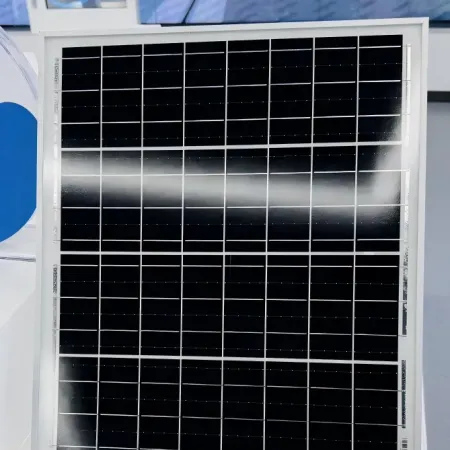
The solar industry has largely shifted from EVA to POE for encapsulant films. Here's why:
- PID resistance: POE's hydrophobic nature prevents potential-induced degradation (PID) of solar cells
- UV stability: No acetate groups to yellow or degrade under intense UV exposure
- Longer service life: POE modules show less degradation over 25+ years
- Higher volume resistivity: Better electrical insulation properties
Our PV7200 and PV7045 grades are specifically designed for this application, delivering the optical clarity and durability that solar manufacturers require.
Footwear and Foaming: It Depends
EVA dominates the footwear midsole market due to cost and established processing. However, POE is gaining ground in premium applications:
- POE foams have better compression set resistance — they don't pack out as quickly
- POE maintains elasticity over a wider temperature range
- POE is lighter (lower density) for equivalent cushioning
- EVA remains cheaper for commodity footwear
Automotive: POE for Most Applications
POE has largely displaced EVA in automotive applications:
- Better heat resistance for under-hood and interior applications
- Lower VOC emissions — critical for cabin air quality
- Superior UV stability for exterior parts
- Better compatibility with PP for impact modification
Hot Melt Adhesives: EVA Retains Advantage
EVA's inherent polarity makes it the better choice for hot melt adhesives. The acetate groups provide adhesion to polar substrates (wood, paper, textiles) that POE struggles to bond. POE can be functionalized for adhesion, but EVA works out of the box.
Processing Comparison
Both materials process on standard polyolefin equipment, with some differences:
| Processing Factor | POE | EVA |
|---|---|---|
| Typical processing temp | 180-220°C | 160-200°C |
| Melt stability | Excellent | Good (acetic acid risk if overheated) |
| Regrind compatibility | Excellent | Good (some property loss) |
| Colorability | Good | Excellent (polar pigments disperse well) |
| Crosslinking behavior | Requires peroxide or silane | Can be peroxide or VA-content dependent |
Processing tip: POE's lower melting point and excellent thermal stability give it a wider processing window than EVA. There's less risk of thermal degradation, and regrind can be used at higher percentages without significant property loss.
Cost Considerations
EVA generally costs 10-20% less than POE on a per-kilogram basis. However, total cost depends on several factors:
- Density: POE's lower density (0.87 vs. 0.94 g/cm³) means more volume per kilogram — important for foaming and large parts
- Additive requirements: EVA often needs more UV stabilizers and antioxidants
- Regrind value: POE regrind maintains properties better, reducing scrap costs
- Service life: POE's durability can reduce warranty and replacement costs
For many applications, the performance advantages of POE justify the material cost premium.
The Verdict: When to Choose Each Material
Choose POE when:
- UV stability and long-term durability are critical (outdoor, solar, automotive)
- Moisture resistance is important (marine, outdoor, electrical)
- Compatibility with PP is needed (impact modification)
- Low VOC emissions are required (automotive interior, medical)
- Maximum elasticity and low-temperature flexibility are needed
Choose EVA when:
- Cost is the primary driver (commodity packaging, disposable products)
- Adhesion to polar substrates is required (hot melt adhesives)
- Lower processing temperatures are beneficial
- Established supply chains and processing knowledge are priorities
Still Unsure Which Material Fits Your Application?
Our technical team can provide side-by-side testing and help you make the right choice
Explore POE Grades Request Comparison Samples