Global Market Dynamics and Strategic Analysis of Halogenated Butyl Rubber Price Per Ton 2026
An exhaustive industry guide for procurement specialists and manufacturers navigating the future of specialty elastomers.
Navigating the Complexities of Specialty Rubber Markets
The global industrial landscape is undergoing a profound transformation as manufacturers seek materials that balance extreme durability with environmental compliance. Within this shift, the demand for high-performance elastomers like chlorinated and brominated butyl rubber has reached unprecedented levels. Procurement managers and technical engineers are increasingly focused on long-term budgeting and supply chain stability. One of the most critical questions facing the industry today centers on the projected halogenated butyl rubber price per ton 2026.
Current market volatility, driven by fluctuating energy costs and the transition toward sustainable feedstock, has created a challenging environment for long-term planning. Without a clear understanding of the micro and macro-economic factors at play, businesses risk facing supply shortages or excessive cost overruns. This article provides a definitive roadmap to understanding the market drivers, technical specifications, and strategic advantages of sourcing from leaders like Chambroad.
By the end of this analysis, you will possess a comprehensive understanding of the cost structures, technological advancements in halogenation processes, and the specific reasons why the halogenated butyl rubber price per ton 2026 is expected to be a benchmark for industry performance and sustainability.
Understanding the Fundamentals of Halogenated Butyl Rubber
To accurately forecast costs, it is essential to define what makes these materials indispensable. Halogenated butyl rubber, including Bromobutyl Rubber BIIR2332 and Chlorinated Butyl Rubber CIIR1338, is a synthetic elastomer produced by halogenating regular butyl rubber. This process significantly enhances the material's vulcanization rate and compatibility with other rubbers.
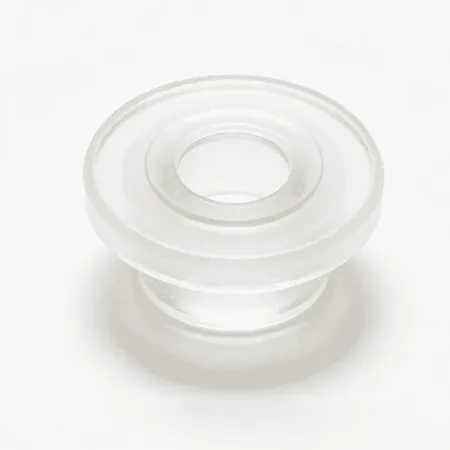
These elastomers are prized for their exceptional air impermeability, heat resistance, and chemical stability. In the automotive industry, they are the gold standard for tire inner liners, ensuring that air pressure is maintained over long periods, which directly impacts fuel efficiency and safety. In the pharmaceutical sector, the high purity of these materials makes them the preferred choice for medical rubber stoppers, where they prevent contamination and maintain the integrity of life-saving medications.
The production process is capital-intensive and requires sophisticated technology to manage the halogenation phase safely and efficiently. As we look toward the future, the integration of green chemistry and circular economy principles is becoming a primary factor in production costs, directly influencing the halogenated butyl rubber price per ton 2026.
Core Drivers Influencing the Halogenated Butyl Rubber Price Per Ton 2026
Feedstock and Raw Material Availability
The primary raw material, isobutylene, is a derivative of petroleum refining. As the petrochemical industry moves toward more sustainable methods, such as the ISCC PLUS certified butyl rubber produced from recycled tire oil, the cost structure is evolving. These bio-based and circular feedstocks often carry a premium but provide significant value in carbon-reduction goals.
Energy and Regulatory Compliance
Halogenation requires precise temperature control and rigorous environmental safeguards. Rising energy prices globally and stricter emissions regulations mean that manufacturers must invest heavily in clean energy and waste treatment. These operational expenditures are inevitable components of the projected pricing for 2026.
Deep Dive into Chambroad Innovative Solutions
Chambroad has established itself as a pioneer in the elastomer industry by focusing on high-performance materials that meet the most demanding industrial requirements. Their approach to advanced butyl rubber solutions combines traditional manufacturing excellence with cutting-edge sustainability.
One of the standout offerings is the BIIR 2828 series, specifically engineered for medical applications. This product demonstrates the brand commitment to safety and hygiene, ensuring that medical devices and drug packaging meet global regulatory standards. Furthermore, the development of chlorinated butyl rubber like CIIR1338 provides the tire industry with the necessary tools to produce lightweight, high-performance tires that contribute to the green mobility transition.
The Sinopoly Full-Cycle Innovation
Chambroad Sinopoly is redefining the lifecycle of rubber. By converting waste tires into pyrolysis oil and subsequently into isobutylene, they create a "tire-to-tire" circular economy. This innovation not only stabilizes the supply chain but also mitigates the price shocks associated with crude oil volatility, providing a more predictable halogenated butyl rubber price per ton 2026 for their strategic partners.
Strategic Procurement and Risk Mitigation for 2026
Forward-thinking organizations are already adjusting their procurement strategies. Rather than relying on spot market purchases, many are entering into long-term partnerships with vertically integrated suppliers. This ensures a consistent supply of high-purity materials while locking in competitive rates.
When evaluating the halogenated butyl rubber price per ton 2026, consider the total cost of ownership. A slightly higher initial price for a premium, high-consistency product like Chambroad BIIR can result in significant savings during the manufacturing process by reducing scrap rates and improving vulcanization efficiency.
- Focus on supplier stability and integrated production capacities.
- Prioritize materials with international certifications like ISCC PLUS.
- Evaluate the technical support and R&D capabilities of the material provider.
Frequently Asked Questions (FAQ)
What is the primary difference between BIIR and CIIR in terms of pricing?
While both are premium elastomers, Bromobutyl (BIIR) generally commands a higher price than Chlorinated Butyl (CIIR) due to the higher cost of bromine and its faster curing properties, which offer distinct advantages in specific high-speed manufacturing processes.
How will sustainability impact the halogenated butyl rubber price per ton 2026?
The halogenated butyl rubber price per ton 2026 will likely reflect a "green premium" for materials produced using circular feedstocks. However, this is often offset by the reduced carbon taxes and improved brand equity for the end manufacturer.
Can Chambroad provide customized grades for specific industrial needs?
Yes, Chambroad offers comprehensive technical support and R&D platforms to develop oriented high-performance products, ensuring that the material matches the specific requirements of your application, from automotive manufacturing to medical supplies.
What is the lead time for large-scale industrial orders?
Chambroad prides itself on extreme delivery speeds and batch stability, supported by a long-term stable operation of equipment and processes.
Conclusion: Securing Your Future in the Elastomer Market
The trajectory of the halogenated butyl rubber price per ton 2026 is more than just a numerical forecast; it is a reflection of the industry commitment to innovation, sustainability, and high-performance engineering. By understanding the underlying drivers—from raw material circularity to advanced halogenation technologies—businesses can move from a reactive procurement stance to a proactive strategic partnership.
Chambroad remains dedicated to pushing the boundaries of material science, offering solutions that not only meet today requirements but also anticipate the challenges of tomorrow. Whether you are looking for medical-grade purity or tire-liner durability, the path to success lies in choosing a partner that values quality, stability, and sustainable growth.
Empower Your Supply Chain Today
Download our technical whitepapers or request a free sample to verify the Chambroad quality firsthand.
© 2026 Chambroad Solutions. All Rights Reserved. Focusing on High-Performance Materials for a Sustainable Future.