Polypropylene Resin Grade: Types, Properties, and Application Guide
Polypropylene resin grade refers to the classification of polypropylene (PP) materials based on their molecular structure, melt flow index, mechanical properties, and intended applications. Different polypropylene resin grades are designed to meet the needs of packaging, automotive, textiles, household products, and industrial manufacturing. Chambroad, as a leading advanced materials manufacturer, provides a wide range of high-quality polypropylene resin grades for global industries.
What Is Polypropylene Resin Grade
Polypropylene resin grade is a specific formulation of PP resin engineered for particular processing methods and end-use applications. Each grade is optimized to deliver different levels of stiffness, flowability, impact resistance, or transparency.
Common polypropylene resin grades include:
- Homopolymer grades: High stiffness and strength
- Impact copolymer grades: Improved toughness and impact resistance
- Random copolymer grades: Enhanced clarity and flexibility
- Fiber grades: Designed for spinning and textile production
- Thin-wall grades: High flow for fast injection molding
Key Factors Defining Polypropylene Resin Grade
Melt Flow Index (MFI)
MFI determines how easily the resin flows during processing. Higher MFI is suitable for thin-wall and complex parts, while lower MFI is used for stronger structural components.
Mechanical Properties
Different polypropylene resin grades offer varying levels of:
- Tensile strength
- Impact resistance
- Flexibility
- Stiffness
Thermal Performance
Grades are also defined by heat resistance and dimensional stability under processing and end-use conditions.
Additives and Modifications
Some polypropylene resin grades include additives such as:
- UV stabilizers
- Nucleating agents
- Flame retardants
- Reinforcement fillers
Applications of Polypropylene Resin Grade
Packaging Industry
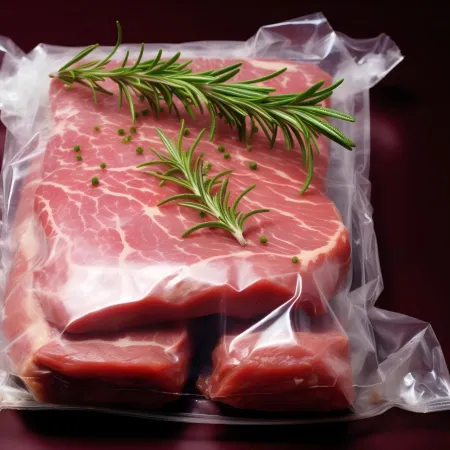
Used in containers, caps, trays, and thin-wall packaging depending on grade selection.
Automotive Industry
Applied in interior trims, dashboards, and structural components.
Textile and Fiber Industry
Fiber-grade polypropylene resin is used in nonwoven fabrics, ropes, and industrial textiles.
Household Products
Used in storage boxes, kitchenware, and consumer goods.
Industrial Applications
Used in pipes, sheets, and chemical-resistant equipment.
How to Choose the Right Polypropylene Resin Grade
When selecting a polypropylene resin grade, consider:
- Required processing method (injection molding, extrusion, fiber spinning)
- Mechanical performance needs
- Transparency or appearance requirements
- Environmental and regulatory standards
- Cost and production efficiency
Advantages of Different Polypropylene Resin Grades
- Optimized performance for specific applications
- Improved processing efficiency
- Better product quality and consistency
- Reduced production defects
- Cost-effective material selection
Why Choose Chambroad Polypropylene Resin Grades
Chambroad offers a full portfolio of polypropylene resin grades designed for high-performance industrial applications. With advanced production technology and strict quality control, Chambroad ensures consistent material properties and reliable supply.
The company serves industries such as packaging, automotive, textiles, energy, and consumer goods with customized polypropylene solutions.
Future Trends in Polypropylene Resin Grades
The development of polypropylene resin grades is moving toward:
- High-performance specialty grades
- Improved recyclability and sustainability
- Enhanced impact and heat resistance
- Lightweight and high-flow formulations
- Industry-specific customized solutions