Butyl Rubber Raw Material: The Foundation of High-Performance Elastomer Solutions
Across industries ranging from tire manufacturing and pharmaceutical packaging to construction and consumer goods, butyl rubber raw material serves as the essential building block for countless critical applications. As a synthetic elastomer with unique properties—unmatched gas impermeability, exceptional damping characteristics, and outstanding weathering resistance—butyl rubber transforms from raw polymer into finished products that enable modern manufacturing. For procurement professionals, product developers, and manufacturing engineers, understanding the characteristics, grades, and sourcing considerations for butyl rubber raw material is essential to ensuring consistent quality and optimal performance in end-use applications.
At Chambroad (solutions.chambroad.com) , expertise in advanced polymer materials begins with mastery of butyl rubber raw material production and formulation. As a manufacturer serving the automotive, medical, energy, and industrial sectors, Chambroad combines deep polymer science knowledge with manufacturing excellence to deliver butyl rubber solutions that meet the most demanding application requirements.
Understanding Butyl Rubber Raw Material Chemistry
Butyl rubber raw material is a synthetic elastomer produced through the cationic polymerization of isobutylene with a small percentage of isoprene. This copolymerization process yields isobutylene-isoprene rubber (IIR), the base polymer from which all butyl rubber products are derived.
The molecular structure of butyl rubber raw material features a saturated hydrocarbon backbone with regularly spaced methyl groups. These methyl groups create steric hindrance that restricts molecular movement and prevents gas molecules from penetrating the polymer matrix. This structural characteristic is directly responsible for the exceptional impermeability that distinguishes butyl rubber from other elastomers.
The isoprene component in butyl rubber raw material introduces carbon-carbon double bonds into the otherwise saturated chain. These double bonds constitute typically 1 to 3 percent of the polymer and provide the reactive sites necessary for vulcanization—the cross-linking process that transforms raw butyl rubber into cured elastomeric products with enhanced strength and elasticity.
Grades and Variants of Butyl Rubber Raw Material
Butyl rubber raw material is available in several distinct grades, each engineered for specific processing methods and end-use applications:
Regular Butyl Rubber (IIR)
Standard butyl rubber raw material offers the fundamental properties of low permeability, high damping, and good flexibility. This grade serves as the base polymer for general-purpose applications including inner tubes, curing bladders, and industrial rubber goods.
Chlorinated Butyl Rubber (CIIR)
Through halogenation, chlorinated butyl rubber raw material incorporates chlorine atoms into the polymer structure. This modification enables faster curing rates and improved adhesion to other materials, making CIIR the preferred choice for tire inner liners and pharmaceutical stoppers.
Brominated Butyl Rubber (BIIR)
Brominated butyl rubber raw material offers even faster curing characteristics than chlorinated grades, along with enhanced compatibility with other elastomers. BIIR is widely used in high-performance tire applications requiring co-vulcanization with natural rubber or other polymers.
High Molecular Weight Butyl Rubber
Higher molecular weight butyl rubber raw material provides superior green strength and improved processing characteristics for applications requiring dimensional stability during manufacturing.
Low Molecular Weight Butyl Rubber
Lower molecular weight grades offer enhanced flow properties, making them suitable for adhesive formulations, sealants, and applications requiring easier processing.
Manufacturing Process of Butyl Rubber Raw Material
The production of butyl rubber raw material involves a carefully controlled polymerization process:
Monomer Preparation
High-purity isobutylene and isoprene monomers are prepared and purified to remove impurities that could interfere with the polymerization reaction.
Cationic Polymerization
The polymerization reaction is initiated using Friedel-Crafts catalysts at cryogenic temperatures. This low-temperature process enables precise control over molecular weight and polymer architecture.
Halogenation (Where Applicable)
For chlorinated or brominated grades, the base butyl rubber undergoes controlled halogenation to introduce reactive sites while maintaining the polymer’s fundamental structure.
Stabilization and Packaging
The finished butyl rubber raw material is combined with stabilizers to prevent degradation during storage and processing, then formed into bales or pellets for shipment.
Applications Across Industries
The unique properties of butyl rubber raw material enable its use across diverse industries:
Tire and Automotive
The tire industry represents the largest consumer of butyl rubber raw material, primarily for inner liners that maintain tire pressure and improve fuel efficiency. Automotive applications also include hoses, mounts, and vibration-damping components.
Pharmaceutical and Medical
High-purity butyl rubber raw material grades are essential for pharmaceutical stoppers, syringe components, and medical device seals where product integrity and patient safety are paramount.
Construction and Waterproofing
The impermeability of butyl rubber raw material makes it ideal for roofing membranes, flashing, and below-grade waterproofing applications requiring long-term moisture protection.
Adhesives and Sealants
Butyl rubber raw material serves as the base polymer for high-performance adhesives and sealants used in construction, automotive assembly, and industrial applications.
Electrical and Energy
The electrical insulating properties of butyl rubber raw material make it suitable for cable insulation, transformer components, and energy storage applications.
Quality Considerations for Butyl Rubber Raw Material
When sourcing butyl rubber raw material, several quality factors require attention:
Purity and Consistency
Premium butyl rubber raw material exhibits consistent molecular weight, isoprene content, and halogenation levels across production lots, ensuring predictable processing behavior.
Extractables Profile
For pharmaceutical and medical applications, butyl rubber raw material must meet stringent extractables and leachables specifications to ensure compatibility with sensitive formulations.
Stabilization System
The stabilizers incorporated into butyl rubber raw material affect processing stability, shelf life, and final product performance. Proper stabilization ensures consistent manufacturing results.
Certification and Traceability
Regulated industries require full documentation and traceability for butyl rubber raw material, including certificates of analysis and compliance with applicable standards.
Processing Butyl Rubber Raw Material
Manufacturers transform butyl rubber raw material into finished products through various processing methods:
Compounding
Butyl rubber raw material is combined with fillers, curatives, plasticizers, and other additives to achieve specific performance properties. Compounding expertise is essential to optimizing material characteristics.
Mixing and Milling
The compounded butyl rubber raw material is mixed and milled to achieve uniform dispersion of ingredients before shaping.
Calendering
For sheet goods, roofing membranes, and coated fabrics, butyl rubber raw material is processed through calendering equipment to achieve precise thickness and surface characteristics.
Extrusion
Hoses, weather strips, and profiles are produced by extruding butyl rubber raw material through shaped dies.
Molding
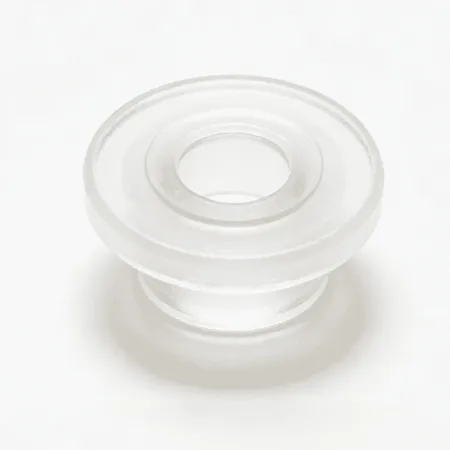
Compression molding, transfer molding, and injection molding processes shape butyl rubber raw material into finished components including pharmaceutical stoppers, gaskets, and mounts.
Frequently Asked Questions
Q: What is the difference between butyl rubber raw material and natural rubber?
A: Butyl rubber raw material is a synthetic polymer offering significantly lower gas permeability, better aging resistance, and higher damping compared to natural rubber. Natural rubber generally provides higher tensile strength and better dynamic properties. The choice depends on application requirements.
Q: How is butyl rubber raw material supplied?
A: Butyl rubber raw material is typically supplied in bale form weighing approximately 25 to 35 kilograms, or in pelletized form for automated handling systems. Halogenated grades are available in similar packaging configurations.
Q: What is the shelf life of butyl rubber raw material?
A: Under proper storage conditions—cool, dry environments away from direct sunlight and ozone sources—butyl rubber raw material typically maintains stable properties for 12 to 24 months. Halogenated grades may have different storage recommendations.
Q: Can butyl rubber raw material be recycled?
A: Yes. Butyl rubber raw material can be recycled through various methods, though recycling processes must account for cross-linking in cured products. Uncured manufacturing scrap is readily reprocessed.
Q: What certifications should butyl rubber raw material for pharmaceutical applications have?
A: Pharmaceutical-grade butyl rubber raw material should comply with USP Class VI, ISO 10993, and relevant pharmacopoeia standards. Manufacturers should provide comprehensive extractables data and regulatory documentation.
Q: Does Chambroad manufacture butyl rubber raw material?
A: Chambroad leverages deep expertise in polymer materials to deliver high-quality butyl rubber solutions. As an advanced new materials manufacturer, Chambroad ensures rigorous quality control and application-specific formulation capabilities for butyl rubber products.
Conclusion
Butyl rubber raw material represents the foundation upon which countless critical applications are built. From maintaining tire pressure and preserving pharmaceutical sterility to protecting buildings against water intrusion and enabling quiet vehicle cabins, this versatile elastomer delivers performance that alternative materials cannot match.
Chambroad combines deep polymer science expertise with manufacturing excellence to deliver butyl rubber solutions that meet the rigorous demands of automotive, pharmaceutical, construction, and industrial applications. With a commitment to quality, consistency, and application support, Chambroad serves as a trusted partner for organizations requiring reliable butyl rubber raw material and formulated solutions.
When material performance determines product success, the proven characteristics of butyl rubber—delivered through Chambroad’s expertise—provide the confidence that critical applications will perform as required, year after year.