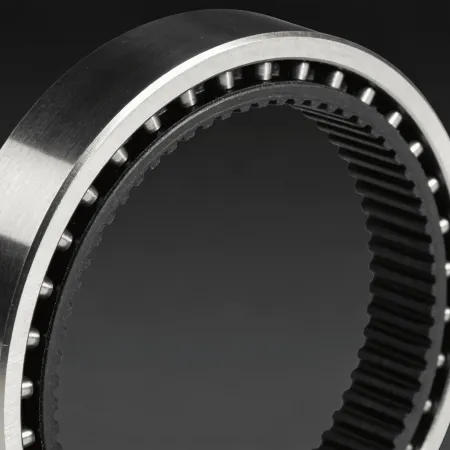
Maximizing Performance in Critical Seals: The Comprehensive Guide to Halogenated Butyl Rubber Applications
Discover how advanced halogenation technology transforms standard elastomers into high-performance solutions for tire inner liners, medical stoppers, and demanding industrial environments.
The Challenge of Modern Sealing: Why Material Science Matters
In the current industrial landscape, manufacturers face unprecedented pressure to deliver products that are not only durable but also safe and environmentally sustainable. Whether it is a tire that must maintain pressure for years or a medical stopper that protects life-saving medicine, the integrity of the seal is paramount. Traditional elastomers often fall short when exposed to extreme temperatures, aggressive chemicals, or the strict purity requirements of the pharmaceutical industry.
How can engineers reduce permeability while increasing heat resistance and processing efficiency? The answer lies in the strategic use of halogenated butyl rubber applications. At Chambroad, we understand that selecting the right polymer is the cornerstone of industrial reliability. This guide provides a deep dive into the technical advantages of Chlorinated Butyl Rubber (CIIR) and Bromobutyl Rubber (BIIR), and how they are reshaping modern manufacturing.
Understanding Halogenated Butyl Rubber (HIIR)
Halogenated Butyl Rubber (HIIR) is a derivative of regular butyl rubber (IIR). By introducing small amounts of chlorine or bromine into the polymer chain, the material gains significantly improved vulcanization properties and better compatibility with other elastomers like natural rubber and SBR.
Chlorinated Butyl Rubber (CIIR)
Known for its exceptional heat resistance and stability. Products like Chlorinated Butyl Rubber CIIR1338 are essential for heat-resistant hoses and anti-vibration components.
Bromobutyl Rubber (BIIR)
Characterized by faster curing rates and superior adhesion. Solutions like Bromobutyl Rubber BIIR2332 are favored in tire inner liners and medical stoppers.
Key Halogenated Butyl Rubber Applications in Industry
1. Automotive Tire Inner Liners
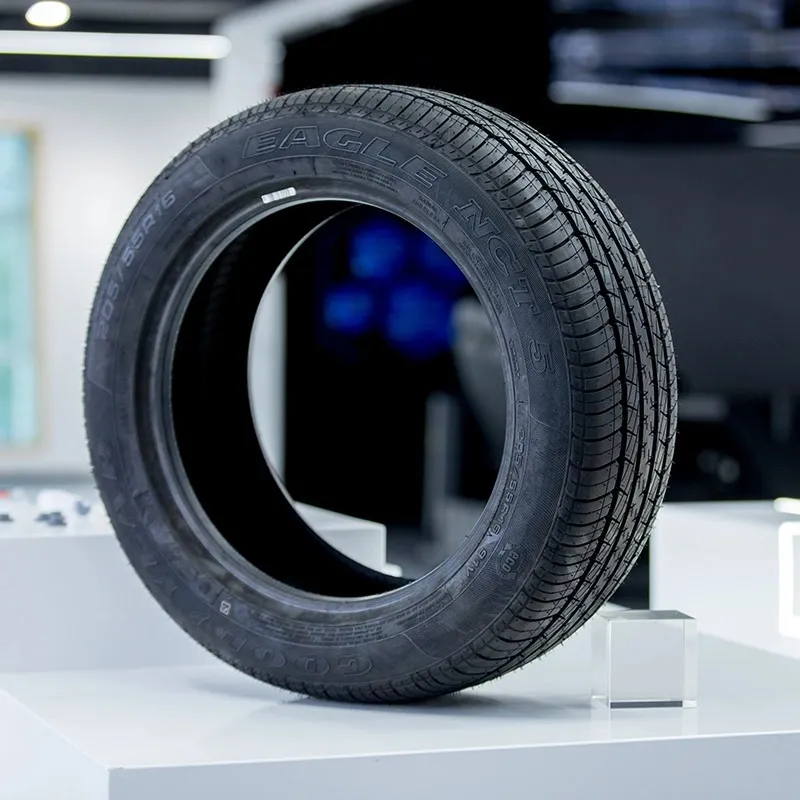
One of the most critical halogenated butyl rubber applications is the production of tubeless tire inner liners. BIIR and CIIR provide the lowest gas permeability of any common elastomer, ensuring that tires maintain optimal pressure over long periods. This not only improves fuel efficiency but also enhances vehicle safety by preventing sudden pressure drops.
Chambroad's halogenated resins allow for thinner, lighter liners, contributing to the global push for automotive lightweighting.
2. Pharmaceutical & Medical Grade Packaging
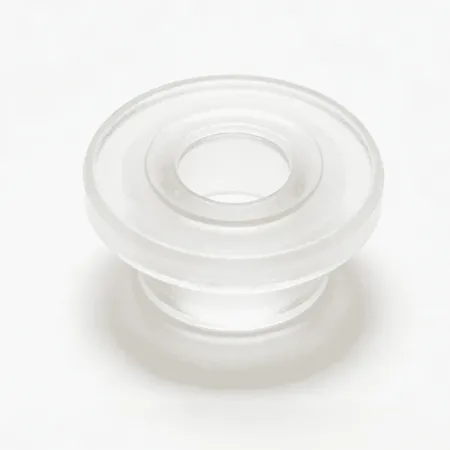
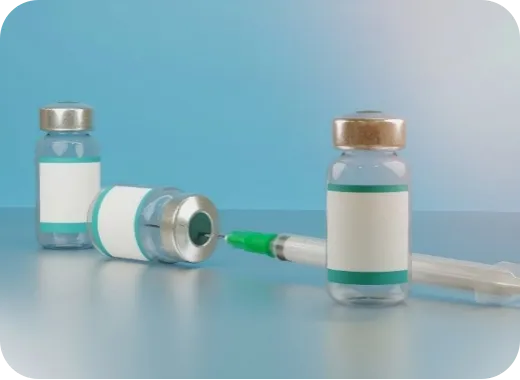
The healthcare industry demands materials with the highest levels of purity and chemical inertness. Medical rubber stoppers made from halogenated butyl rubber offer a superior barrier against moisture and oxygen, protecting the stability of sensitive drugs.
Unlike natural rubber, HIIR minimizes the risk of extractables and leachables, ensuring that the medication remains uncontaminated during its entire shelf life.
3. Industrial Sealing and Protective Linings
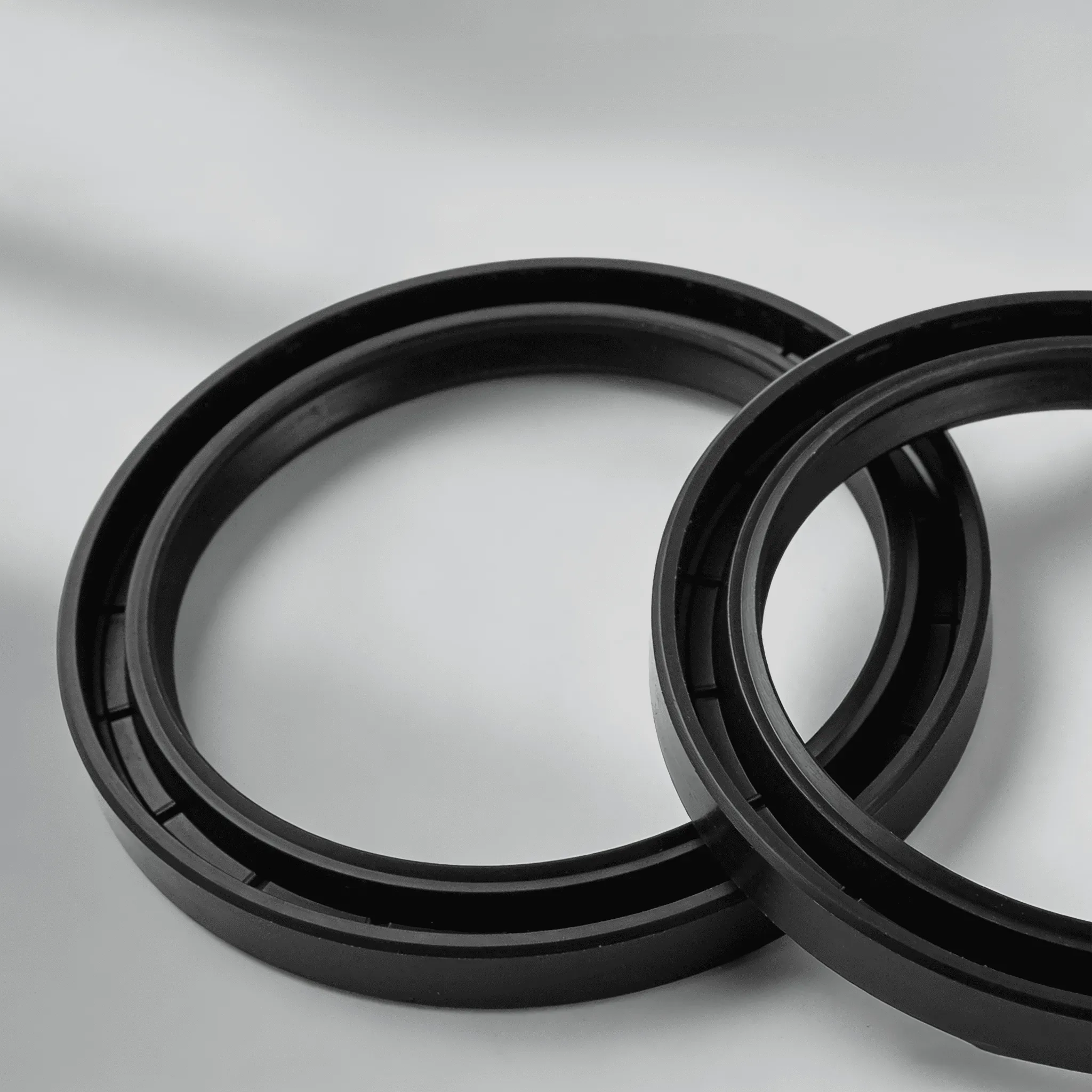
From chemical tank linings to high-pressure steam hoses, halogenated butyl rubber applications are vital for protecting infrastructure. Its resistance to acids, alkalis, and ozone makes it the material of choice for harsh industrial environments where failure is not an option.
Driving the Circular Economy with ISCC PLUS
Sustainability is no longer an option; it is a necessity. Chambroad is leading the way with our ISCC PLUS certified Butyl Rubber solutions. By utilizing pyrolysis oil from waste tires as a feedstock for isobutylene, we close the loop from "Tire to Tire."
Our innovative approach allows customers to produce products with over 80% sustainable material content, significantly reducing their carbon footprint while maintaining the same high performance in all halogenated butyl rubber applications.
Technical Selection Guide: CIIR vs. BIIR
-
Curing Speed: Bromobutyl (BIIR) generally offers a faster cure rate than Chlorobutyl (CIIR), making it ideal for high-speed manufacturing lines.
-
Adhesion: BIIR shows superior co-vulcanization with unsaturated rubbers, making it the better choice for multi-layer tire constructions.
-
Thermal Stability: CIIR often provides slightly better long-term heat aging resistance, which is advantageous for engine compartment hoses.
Frequently Asked Questions
How do halogenated butyl rubber applications improve tire longevity?
By providing an air-tight barrier, they prevent oxygen from permeating into the tire carcass, reducing the risk of internal oxidation and structural failure.
Are Chambroad’s rubber products compliant with medical standards?
Yes, our medical-grade materials undergo rigorous testing for biocompatibility and meet international safety standards, including FDA and RoHS requirements.
What is the shelf life of CIIR and BIIR compounds?
When stored in a cool, dry place away from direct sunlight, these materials typically maintain their properties for up to 2 years.
Ready to Optimize Your Material Strategy?
Contact our technical experts to receive a customized solution for your specific halogenated butyl rubber applications.
© 2026 Chambroad (Shandong) Specialty Materials. All rights reserved.
Expert Solutions in Polyolefins, Elastomers, and Sustainable Material Science.