Technical Excellence and Performance Optimization: IIR Rubber for Adhesive Applications
An expert guide to the chemical advantages, processing strategies, and industrial implementation of high-performance butyl rubber solutions by Chambroad.
Advancing Industrial Adhesion with Butyl Technology
In the modern manufacturing landscape, the quest for adhesives that offer both extreme durability and environmental resilience has led engineers back to the fundamental properties of polyisobutylene. The challenges are persistent: maintaining bond integrity under fluctuating temperatures, ensuring zero gas permeability in pressurized systems, and achieving chemical stability against aggressive solvents. Standard elastomers often fall short when faced with these multi-dimensional requirements.
This technical analysis explores why iir rubber for adhesive applications has emerged as the gold standard for high-performance sealing and bonding. By leveraging the unique molecular architecture provided by Chambroad advanced materials, manufacturers can overcome traditional limitations in adhesion science. From pressure-sensitive tapes to complex medical seals, the integration of specialized butyl polymers provides a competitive edge in product reliability and longevity.
As we delve into this guide, you will gain insights into the chemistry of halogenated versus regular butyl rubber, strategic formulation techniques for adhesive bases, and the quantifiable benefits of sourcing materials from a globally certified leader like Chambroad.
Understanding the Chemistry of IIR Rubber for Adhesive Applications
Isobutylene-isoprene rubber (IIR) is a synthetic elastomer produced by the copolymerization of isobutylene with a small percentage of isoprene. This specific combination results in a polymer chain that is almost entirely saturated, a feature that dictates its exceptional resistance to oxidative and thermal degradation.
The Saturation Advantage
The primary strength of iir rubber for adhesive applications lies in its low unsaturation. Unlike natural rubber or SBR, which contain numerous double bonds prone to ozone attack, the butyl backbone remains stable. This makes it an ideal candidate for outdoor sealants and automotive adhesives that must endure decades of environmental exposure without becoming brittle or losing tackiness.
Halogenation for Enhanced Reactivity
While regular IIR is highly stable, many adhesive systems require faster curing or better co-vulcanization with other rubbers. This is where halogenated versions, such as Chlorinated Butyl Rubber CIIR1338 and Bromobutyl Rubber BIIR2332, come into play. Halogenation introduces reactive sites that significantly improve the bonding speed and strength in multi-layer adhesive structures.
-
Enhanced Curing: Halogenated butyl allows for sulfur, metal oxide, or resin-based cross-linking at lower temperatures.
-
Co-vulcanization: These materials can be blended with general-purpose rubbers to impart butyl properties into standard formulations.
Strategic Formulation: Maximizing Performance
Selecting the right grade of iir rubber for adhesive applications involves understanding the balance between viscosity, tackiness, and cohesive strength. Chambroad offers a portfolio designed to meet these specific rheological needs.
Key Considerations for Adhesive Chemists
- Molecular Weight Distribution: Influences the flow and wetting ability of the adhesive on various substrates.
- Isoprene Content: Dictates the cross-link density and final elasticity of the bond.
- Fillers and Plasticizers: Compatibility with resins and oils to adjust the glass transition temperature.
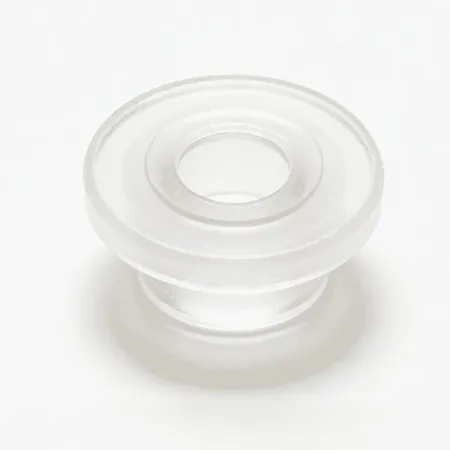
For applications demanding the highest purity, such as Medical Rubber Stopper production, our Bromobutyl series like BIIR 2828 provides the necessary cleanliness and inertness to prevent drug interaction. In these sensitive environments, the adhesive properties of the rubber ensure a perfect seal against glass vials, maintaining sterility throughout the shelf life of the pharmaceutical product.
Why Professional Engineers Choose Chambroad Butyl Solutions
Our expertise in polyolefin and rubber chemistry extends beyond simple material supply. We offer a holistic innovation cycle that incorporates sustainable practices and precision engineering.
Gas Barrier Supremacy
The closely packed molecular structure of IIR provides a gas permeability rate 10 to 20 times lower than most other elastomers. This is critical for vacuum sealants and tire inner liners.
Thermal Stability
Our butyl grades maintain their physical properties in temperatures ranging from -40 degrees Celsius to 120 degrees Celsius, ensuring adhesive performance in extreme climates.
Damping & Shock Absorption
IIR is unique in its ability to convert mechanical energy into heat. This makes it the preferred base for vibration-dampening adhesives in the electronics and automotive sectors.
Sustainable Innovation
Through our ISCC PLUS certified processes, we are pioneering the use of recycled tire oil to produce sustainable butyl rubber, helping our clients reach net-zero goals.
By utilizing iir rubber for adhesive applications sourced from Chambroad, manufacturers benefit from a stable global supply chain and technical support that spans from micro-structural analysis to industrial-scale application testing. We provide more than just raw materials; we provide the foundational chemistry for long-term success.
Frequently Asked Technical Questions
How does halogenation affect the shelf life of butyl-based adhesives?
Halogenated butyl rubber increases reactivity, which can shorten the pot life of certain solvent-based adhesives. However, with proper stabilizer packages and storage conditions, the shelf life of the final product remains comparable to standard butyl systems while offering superior bond strength.
Is Chambroad IIR rubber compliant with international food and medical standards?
Yes, our materials are designed to meet rigorous standards including FDA, RoHS, and REACH. Our medical-grade rubbers are tested for biocompatibility and low extractables, making them safe for sensitive pharmaceutical applications.
Can IIR rubber be used in hot-melt adhesive formulations?
Absolutely. iir rubber for adhesive applications is a common component in hot-melt pressure-sensitive adhesives (HMPSA) due to its excellent thermal stability and the ability to maintain tack over a wide temperature range. It is often blended with polyolefins like POE to customize the viscosity and flexibility of the adhesive.
What support does Chambroad offer for custom adhesive formulations?
We operate a comprehensive R&D platform that includes micro-macro structural analysis and pilot-to-industrial scale testing. We provide integrated solutions, including technical services and tailored product development to ensure our materials perfectly match your specific application requirements.
Ready to Elevate Your Adhesive Solutions?
The choice of polymer base is the most critical decision in adhesive engineering. With Chambroad high-performance iir rubber for adhesive applications, you gain the reliability of a world-class material coupled with the innovation of a sustainability leader.
Copyright 2026 Chambroad Advanced Materials Solutions. All Rights Reserved.