Halogenated Butyl Rubber vs Butyl Rubber
A definitive guide to high-performance elastomers in modern industrial applications
In the complex world of polymer science, selecting the right material is a decision that dictates product longevity, safety, and operational efficiency. When evaluating high-performance elastomers for airtightness and chemical resistance, the primary debate often centers on halogenated butyl rubber vs butyl rubber. As global industries transition toward more demanding environments, understanding the nuanced differences between these two materials becomes essential for engineers and procurement specialists alike.
Chambroad, as a pioneer in advanced material solutions, provides a comprehensive portfolio of synthetic rubbers designed to meet stringent international standards. Whether it is for the pharmaceutical industry or the automotive sector, our expertise in halogenation and polymer synthesis ensures that every grade delivered offers superior reliability and performance.
Foundational Understanding of Butyl Rubber Systems
To effectively compare halogenated butyl rubber vs butyl rubber, one must first appreciate the base polymer. Conventional Butyl Rubber, chemically known as Isobutylene-isoprene rubber (IIR), is a synthetic elastomer produced by copolymerizing isobutylene with a small amount of isoprene. Its hallmark trait is exceptionally low gas permeability, which makes it the gold standard for inner tubes and vacuum seals.
However, standard butyl rubber possesses inherent limitations, particularly regarding its vulcanization speed and its compatibility with other elastomers. This led to the development of Halogenated Butyl Rubber (HIIR), where the addition of bromine or chlorine significantly enhances the material reactivity. This technological evolution represents a critical shift in how we approach sealing systems in the 21st century.
Technical Comparison Table and Performance Metrics
| Feature | Butyl Rubber (IIR) | Halogenated Butyl Rubber (HIIR) |
|---|---|---|
| Vulcanization Speed | Slow, requiring specialized systems | Fast, highly reactive |
| Co-vulcanization | Difficult with Natural Rubber/SBR | Excellent compatibility with unsaturated rubbers |
| Heat Resistance | Good | Superior, maintains stability at higher temperatures |
| Primary Application | Inner tubes, adhesives | Tire liners, medical stoppers |
When analyzing halogenated butyl rubber vs butyl rubber, the most striking difference is the cure rate. Halogenation allows the rubber to be vulcanized using a wider range of chemicals and at much faster speeds, which drastically improves production throughput in manufacturing plants.
Bromobutyl Rubber (BIIR) Advantages
Bromobutyl rubber, such as our BIIR2332, is widely favored for its rapid curing properties. It is the preferred material for tire inner liners because it can be co-vulcanized directly with the tire carcass. This eliminates the need for adhesives and ensures a unified, durable structure that prevents air leakage over thousands of miles.
- High adhesion to other rubber compounds
- Low compression set values
- Stable performance in medical environments
Chlorobutyl Rubber (CIIR) Insights
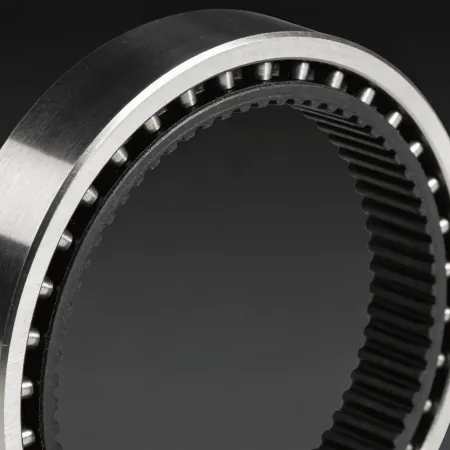
On the other side of the halogenation spectrum is Chlorobutyl rubber, including our CIIR1338. While BIIR is often chosen for speed, CIIR is celebrated for its thermal stability and resistance to compression. It is frequently applied in gaskets and industrial seals where long-term heat exposure is a constant factor.
- Excellent chemical resistance to acids and bases
- Superior damping characteristics
- Lower cost-to-performance ratio in specific seals
Critical Role in the Medical and Pharmaceutical Sector
The comparison of halogenated butyl rubber vs butyl rubber is nowhere more critical than in the healthcare supply chain. Traditional natural rubber or standard butyl rubber stoppers often suffer from gas permeability and the leaching of impurities into sensitive medications.
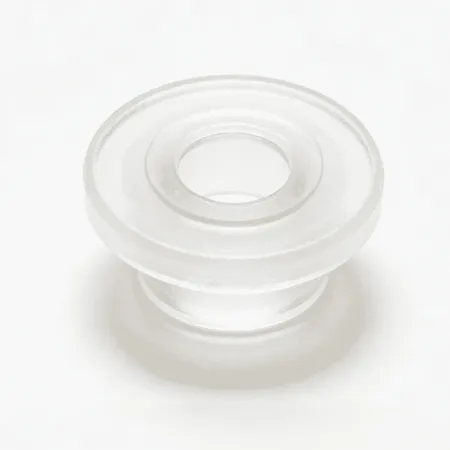
Chambroad pharmaceutical-grade medical rubber stoppers utilize BIIR and CIIR to ensure maximum hygiene and safety. These halogenated variants provide a superior barrier against moisture and oxygen, protecting the potency of drugs. Furthermore, their high cleanliness and low extractable levels meet the stringent requirements of FDA and RoHS standards, making them the industry standard for injectable drug packaging.
Sustainability and the Circular Economy
At Chambroad, we recognize that performance must be balanced with environmental responsibility. Our innovation in the ISCC PLUS certified butyl rubber systems allows us to utilize pyrolysis oil from waste tires as a raw material. This "tire-to-tire" closed-loop system is a testament to our commitment to a circular economy.
When customers choose our halogenated products, they are not only selecting superior airtightness but are also supporting a sustainable future. By replacing traditional petrochemical feedstocks with recycled content, we help our partners achieve their net-zero targets without compromising the technical advantages of halogenated butyl rubber vs butyl rubber.
Global Standards
All products are compliant with RoHS, REACH, and FDA regulations for diverse industrial use.
Advanced R&D
Our micro-macro application platforms provide structural analysis for customized material development.
Eco-Innovation
Leading the transition with ISCC PLUS certified bio-based and recycled rubber solutions.
Streamline Your Supply Chain with Chambroad
Understanding the complexities of halogenated butyl rubber vs butyl rubber is only the first step. Partnering with a manufacturer that offers integrated solutions—from raw materials to technical support—is what ensures success.
Frequently Asked Questions
How does halogenation affect the shelf life of the rubber?
Halogenated variants generally have a shorter shelf life compared to standard butyl rubber due to their higher reactivity. However, when stored in cool, dry conditions away from UV light, they maintain stability for industrial processing needs.
Can I substitute BIIR with CIIR in my application?
While they are both halogenated, they have different vulcanization kinetics. BIIR is typically faster and more adhesive, whereas CIIR offers distinct heat resistance. It is recommended to consult with our technical team before making a substitution in your specific formulation.
Does Chambroad provide samples for pilot testing?
Yes, we provide high-purity samples for performance validation in tire manufacturing and medical device testing to ensure full compatibility with your existing systems.
Copyright 2026 Chambroad Chemical Solutions. All Rights Reserved. | Dedicated to High-Performance Advanced Materials.