Advanced Polypropylene Copolymer Food Grade Materials for Packaging: A Comprehensive Guide to High-Performance Solutions
In the rapidly evolving landscape of modern food safety and packaging efficiency, selecting the right raw material is not merely a technical choice—it is a strategic decision that impacts brand reputation and consumer health. At Chambroad, we understand that manufacturers face escalating pressure to balance cost-efficiency with rigorous safety standards. The demand for polypropylene copolymer food grade resins has surged as industries seek materials that offer both the durability of impact resistance and the aesthetic appeal of high transparency.
This article provides a deep dive into the technical advantages, industrial applications, and safety benchmarks of food-grade polyolefins. Whether you are developing takeaway containers, vacuum-sealed packaging, or high-clarity beverage caps, this guide will serve as a definitive resource for optimizing your production line with industry-leading materials.
Understanding the Basics: What is Polypropylene Copolymer Food Grade?
Polypropylene (PP) is a thermoplastic polymer used in a wide variety of applications. However, not all PP resins are created equal. A polypropylene copolymer food grade material is specifically engineered through the polymerization of propylene with a small amount of ethylene. This modification enhances the material's flexibility, clarity, and impact strength compared to its homopolymer counterparts.
The "Food Grade" designation is critical. It signifies that the resin complies with international safety standards such as FDA (U.S. Food and Drug Administration) and REACH/RoHS (EU standards). These materials are tested for migration levels, ensuring that no harmful chemicals leach into food products under varying temperatures.
Key Sub-Categories:
- Impact Copolymers: Known for their toughness and ability to withstand low temperatures without becoming brittle.
- Random Copolymers: Valued for their exceptional clarity and high gloss, making them ideal for consumer-facing packaging.
The Chambroad Advantage: High-Performance Resins for Food Applications
Based on our extensive experience serving global packaging leaders, Chambroad has developed a specialized portfolio of polypropylene copolymer food grade resins designed to address specific manufacturing pain points.
MT40: The Standard for Clarity
Specifically designed for fast-food containers and high-transparency boxes. MT40 offers high melt flow rates and excellent dimensional stability, reducing shrinkage in high-speed injection molding processes.
B800E: Heat Resistance
Ideal for hot-filling beverage bottles. It maintains structural integrity under high temperatures, ensuring that the packaging does not release odors or harmful substances when in contact with hot liquids.
F800EDF: CPP Retort Film
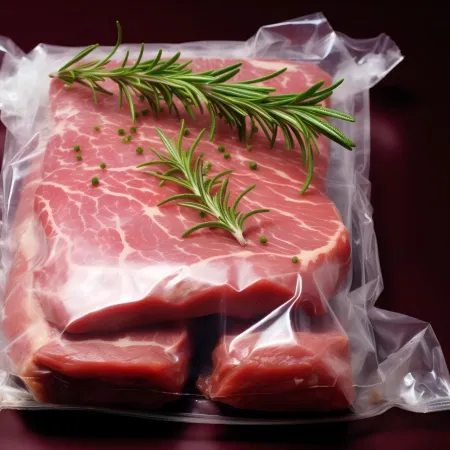
A specialized grade for vacuum food packaging and retort pouches. It features low fish-eye counts and high toughness, significantly reducing bag breakage rates during sterilization.
Why Trust Chambroad Solutions?
As a leader in advanced material science, Chambroad integrates vertically from raw feedstocks to specialized high-performance resins. Our commitment to the circular economy is evidenced by our ISCC PLUS certified butyl rubber and polyolefin programs.
Compliant with FDA, RoHS, and REACH standards for food contact.
Full-cycle engineering support from mold optimization to trial runs.
State-of-the-art industrial production ensuring batch-to-batch consistency.
Optimizing the Production of Takeaway Boxes and Containers
Manufacturing efficiency in the food service industry often hinges on the "Cycle Time." By using high-flow polypropylene copolymer food grade resins, producers can achieve shorter injection cycles. This not only increases output but also reduces energy consumption per unit.
Furthermore, the impact resistance of materials like our HI340R series ensures that products remain intact during cold-chain logistics. For instance, ice cream cups or frozen meal trays require a material that doesn't shatter when dropped at sub-zero temperatures—a common failure point for standard homopolymers.
Frequently Asked Questions (FAQ)
1. Is polypropylene copolymer safe for microwave use?
Yes, our food-grade PP copolymers have a high melting point (typically above 150°C), making them suitable for microwave-safe containers that require heat resistance.
2. How does Chambroad ensure the "low odor" profile of its resins?
We utilize advanced degassing and purification technologies during the polymerization process to remove volatile organic compounds (VOCs), ensuring that the polypropylene copolymer food grade material does not affect the taste or aroma of the food.
3. Can these materials be recycled?
Absolutely. Polypropylene is categorized under Recycling Code 5. Chambroad also supports circular economy initiatives by researching bio-based and chemically recycled feedstocks.
Ready to Elevate Your Packaging Performance?
Choosing the right polypropylene copolymer food grade resin is critical for ensuring product safety and operational excellence. At Chambroad, we provide the technical expertise and high-quality materials needed to succeed in a competitive global market.
Explore our Product Catalog for detailed TDS and MSDS documents.