Enhancing Industrial Durability with Advanced IIR Rubber Polymer Compound Technology
Optimizing Performance and Sustainability Through Specialized Elastomer Engineering for Global Manufacturing Needs.
Meeting the Demands of Modern Material Engineering
The modern industrial landscape is characterized by increasingly stringent requirements for material durability, gas barrier properties, and environmental resilience. Manufacturers across the automotive, pharmaceutical, and aerospace sectors often face the challenge of premature material degradation and inefficient gas retention. These pain points lead to higher maintenance costs, safety risks, and reduced product lifecycles.
How can engineers ensure that their sealing systems and liners withstand extreme conditions while maintaining structural integrity over decades? The answer lies in the strategic application of the iir rubber polymer compound. This specialized elastomer, known for its unique molecular structure, provides a definitive solution to the limitations of natural rubber and standard synthetic polymers.
This guide explores the technical foundations of butyl rubber, the evolution of halogenated solutions, and how Chambroad is leading the way in sustainable elastomer innovation. By the end of this analysis, you will understand how to leverage these materials to enhance your production efficiency and environmental footprint.
Fundamental Principles of IIR Rubber Polymer Compound
The iir rubber polymer compound, or Isobutylene-Isoprene Rubber, is a synthetic elastomer produced by the copolymerization of isobutylene with a small amount of isoprene. This chemical composition results in a saturated hydrocarbon chain with very few double bonds, which is the primary reason for its exceptional resistance to oxygen, ozone, and heat.
Unmatched Impermeability
The dense molecular packing of the isobutylene units makes this compound the gold standard for gas barrier applications. It is significantly more resistant to air and moisture penetration than natural rubber or SBR.
Vibration Damping
The high internal friction of the polymer chains allows it to absorb energy efficiently, making it ideal for shock absorption and vibration isolation in heavy machinery and automotive mounts.
To further enhance its properties, halogenation is often employed. By introducing chlorine or bromine atoms into the structure, we create Bromobutyl Rubber (BIIR) and Chlorinated Butyl Rubber (CIIR). These variants offer faster vulcanization rates and improved adhesion to other rubber types.
Deep Dive into Industrial Applications and Solutions
Selecting the right iir rubber polymer compound requires a deep understanding of the end-use environment. Chambroad provides high-purity solutions tailored for specific sectors, ensuring compliance with global standards.
Advanced Tire Sealing Systems
In the automotive industry, tire inner liners must maintain constant inflation pressure to ensure fuel efficiency and safety. Our halogenated IIR solutions, such as BIIR 2828, provide the critical air retention necessary for tubeless tires. This reduces the rolling resistance and extends the overall life of the tire casing.
Medical Grade Integrity
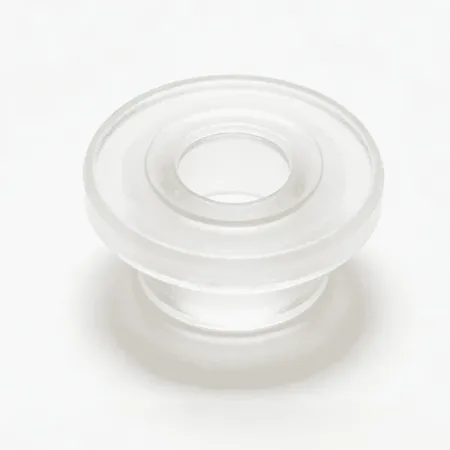
Pharmaceutical packaging requires materials that are chemically inert and highly resealable. The medical rubber stopper made from our high-purity IIR compounds prevents drug absorption and ensures that sterile environments are never compromised. These products pass rigorous FDA and biocompatibility testing.
Food and Consumer Goods
The stability and cleanliness of IIR also make it a preferred choice for food-grade applications, such as chewing gum bases. Its non-toxic nature and resistance to environmental moisture ensure that consumer products remain fresh and safe for consumption throughout their shelf life.
Diagnostic Checklist for Material Selection
Does the application require long-term gas or liquid retention?
Is the component exposed to high temperatures or corrosive ozone?
Is co-vulcanization with natural rubber or EPDM required?
Are there strict purity or biocompatibility requirements?
Chambroad's Commitment to Quality and Sustainability
As a pioneer in the petrochemical and advanced materials industry, Chambroad integrates cutting-edge technology with a responsible environmental approach. Our iir rubber polymer compound production is backed by rigorous quality control and the ISCC PLUS certification.
Circular Economy: From Tire to Tire
Chambroad has revolutionized the lifecycle of elastomers through our "From Tire to Tire" initiative. By utilizing pyrolysis oil derived from waste tires, we produce high-performance isobutylene, which serves as the foundation for our ISCC PLUS certified butyl rubber. This closed-loop system allows our partners to manufacture products containing over 80% sustainable materials without sacrificing mechanical performance.
This approach not only reduces carbon emissions but also provides a stable, high-quality supply chain for global tire manufacturers who are increasingly focused on green mobility solutions.
Frequently Asked Questions (FAQ)
How does the iir rubber polymer compound handle chemical resistance?
It demonstrates excellent resistance to most inorganic acids, alkalis, and oxidative solutions. However, it is not recommended for applications involving petroleum-based oils or solvents, where specialty elastomers like nitrile might be more suitable.
What is the typical shelf life of halogenated IIR?
When stored in a cool, dry place away from direct sunlight, the iir rubber polymer compound maintains its properties for several years. We recommend a "first-in, first-out" inventory system to ensure optimal processing consistency.
Can I request a sample for pilot testing?
Yes. Chambroad encourages technical validation. We provide samples of our various grades, including BIIR and CIIR, along with detailed technical data sheets (TDS) and material safety data sheets (MSDS) to support your R&D efforts.
Optimize Your Material Strategy Today
Experience the difference of high-purity, sustainable elastomer solutions. Whether you are improving tire liners or medical packaging, our engineering team is ready to assist.
© 2026 Chambroad High-Performance Solutions. All Rights Reserved. All technical data is provided for informational purposes as a compatible replacement guide.