Polypropylene Homopolymer for Fiber: Properties, Benefits, and Applications
Polypropylene homopolymer for fiber is a widely used material in the textile and nonwoven industries due to its excellent strength, lightweight nature, and cost efficiency. Designed for fiber spinning and fabric production, polypropylene homopolymer for fiber offers reliable performance across a range of industrial and consumer applications. Chambroad, as a leading advanced materials manufacturer, provides high-quality polypropylene solutions tailored for fiber production.
What Is Polypropylene Homopolymer for Fiber
Polypropylene homopolymer for fiber is produced from pure propylene monomers, resulting in a highly crystalline polymer structure. This structure provides superior tensile strength and stiffness, which are essential for fiber applications.
Polypropylene homopolymer for fiber is specifically engineered to deliver consistent melt flow and spinnability, making it suitable for processes such as melt spinning and nonwoven fabric production.
Key Properties of Polypropylene Homopolymer for Fiber
Polypropylene homopolymer for fiber is valued for several important characteristics:
- High tensile strength: Ensures durability in fibers and fabrics
- Lightweight: Reduces overall material weight and transportation costs
- Excellent chemical resistance: Suitable for industrial and outdoor environments
- Low moisture absorption: Maintains performance in humid conditions
- Good processability: Supports efficient fiber spinning and production
- Thermal stability: Performs well during high-speed processing
These properties make polypropylene homopolymer for fiber ideal for large-scale textile manufacturing.
Advantages of Polypropylene Homopolymer for Fiber
One of the main advantages of polypropylene homopolymer for fiber is its high strength-to-weight ratio, allowing manufacturers to produce durable yet lightweight products.
Another key benefit is cost-effectiveness. Polypropylene homopolymer for fiber offers competitive pricing compared to other synthetic fibers, making it suitable for high-volume production.
Additionally, polypropylene homopolymer for fiber is recyclable, supporting sustainability initiatives in the textile industry.
Applications of Polypropylene Homopolymer for Fiber
Nonwoven Fabrics
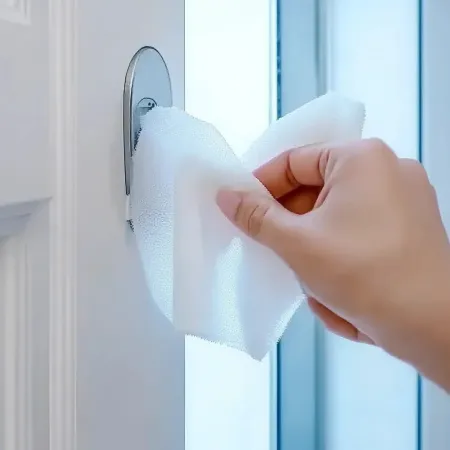
Polypropylene homopolymer for fiber is widely used in nonwoven products such as hygiene materials, medical textiles, and filtration media due to its softness and durability.
Woven Bags and Industrial Fabrics
High-strength fibers made from polypropylene homopolymer are used in woven bags, bulk packaging, and industrial fabrics.
Carpets and Rugs
Polypropylene homopolymer for fiber is commonly used in carpets and rugs due to its مقاومت to wear, moisture, and chemicals.
Geotextiles
In construction and infrastructure, polypropylene homopolymer for fiber is used in geotextiles for soil stabilization, drainage, and reinforcement.
Ropes and Twines
Its strength and durability make polypropylene homopolymer for fiber suitable for ropes, nets, and agricultural twines.
Processing Considerations for Polypropylene Homopolymer for Fiber
To achieve optimal fiber quality, manufacturers should consider:
- Melt flow index (MFI): Must be suitable for fiber spinning processes
- Processing temperature: Typically controlled between 200–260°C
- Spinning speed: Adjusted for fiber uniformity and strength
- Cooling conditions: Affect fiber crystallinity and final properties
Proper control of these parameters ensures consistent performance of polypropylene homopolymer for fiber.
Why Choose Chambroad Polypropylene Homopolymer for Fiber
Chambroad offers high-performance polypropylene homopolymer for fiber designed to meet the demands of modern textile and nonwoven industries. With advanced production technology and strict quality control, Chambroad ensures consistent material properties and reliable supply.
The company’s expertise enables it to provide customized polypropylene solutions for applications such as medical textiles, packaging fabrics, and industrial materials.
Future Trends of Polypropylene Homopolymer for Fiber
As the textile industry evolves, polypropylene homopolymer for fiber is expected to see increasing demand, particularly in nonwoven and sustainable applications. Innovations in polymer technology will further enhance fiber performance and expand its application range.
Polypropylene homopolymer for fiber will remain a key material in efficient, durable, and cost-effective textile production.