High-Performance IIR Rubber Vibration Damping Solutions for Modern Industrial Applications
As industrial environments become increasingly complex, the demand for precision, stability, and noise reduction has skyrocketed. At the heart of these engineering challenges lies the critical need for effective iir rubber vibration damping, a specialized field where material science meets structural integrity to ensure the longevity of high-value machinery and consumer safety.
Understanding the Mechanics of IIR Rubber Vibration Damping
Isobutylene-isoprene rubber, commonly known as butyl rubber or IIR, is uniquely distinguished by its high damping coefficient and exceptional energy absorption properties. Unlike natural rubber, which exhibits high resilience and returns energy quickly, the molecular structure of IIR allows it to convert kinetic energy from vibrations into thermal energy efficiently. This process is the cornerstone of iir rubber vibration damping technology, making it the preferred choice for engineers seeking to mitigate resonance in high-performance systems.
The superior performance of iir rubber vibration damping is largely attributed to the low unsaturation of its polymer chain and the presence of methyl groups that create significant internal friction during deformation. This ensures that even under varying temperature ranges and frequencies, the material remains stable and effective. At Chambroad, we leverage these inherent properties to develop advanced formulations, including bromobutyl rubber BIIR2332 and chlorinated butyl rubber CIIR1338, which enhance the bonding and processing capabilities for specialized damping components.
Industrial Applications and Sector Deep Dive
The versatility of iir rubber vibration damping allows it to penetrate multiple industries, each with its own set of rigorous standards and performance requirements. From the automotive assembly line to the precision of a medical laboratory, the role of high-damping materials cannot be overstated.
Automotive Manufacturing and NVH Reduction
In the pursuit of modern luxury and electric vehicle (EV) efficiency, reducing Noise, Vibration, and Harshness (NVH) is paramount. The implementation of iir rubber vibration damping in engine mounts, body gaskets, and suspension bushings allows for a quieter cabin experience and protects sensitive electronic components from mechanical fatigue. By integrating high-performance polyolefin elastomers and modified butyl rubber, manufacturers can achieve significant weight reduction without compromising on safety or comfort.
Medical and Pharmaceutical Integrity
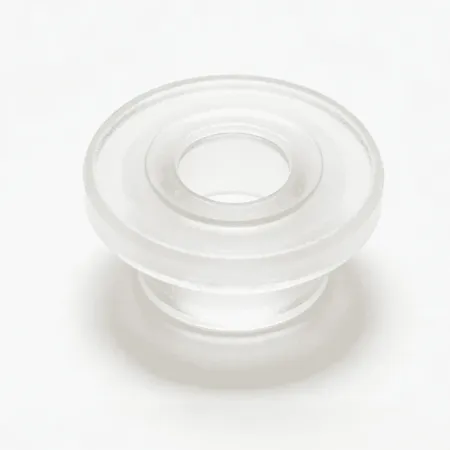
Beyond mechanical damping, the chemical stability and impermeability of IIR make it indispensable for medical applications. High-purity IIR is the primary material for medical rubber stoppers. In this context, the damping properties prevent micro-vibrations during high-speed transport from compromising the seal of glass vials, ensuring that the medication remains sterile and safe for patient use. The low extraction and absorption rates of Chambroad’s halogenated IIR solutions provide an additional layer of security for the global healthcare supply chain.
Comparative Analysis: IIR vs. Alternative Elastomers
When evaluating materials for impact resistance and vibration control, it is essential to compare IIR with other modern polymers like Polyolefin Elastomers (POE) or impact copolymer polypropylene.
- Energy Dissipation: While POE offers excellent flexibility and impact resistance for packaging and lightweight automotive parts, IIR remains superior in its ability to dissipate energy through heat, which is the primary requirement for sustained vibration control.
- Gas Impermeability: IIR has a significantly lower gas permeability rate compared to most synthetic rubbers, making it ideal for vacuum seals and tire inner liners where air pressure must be maintained under constant vibration.
- Environmental Resistance: Chambroad’s halogenated IIR (BIIR and CIIR) series exhibits enhanced resistance to heat, ozone, and chemical aging, ensuring that the iir rubber vibration damping effects do not degrade over long-term industrial exposure.
- Processing Versatility: The introduction of halogen atoms allows for faster vulcanization and better adhesion to other substrates, such as steel or high-strength plastics like polypropylene resins.
Chambroad's Commitment to Quality and Sustainable Innovation
As a leader in the material science industry, Chambroad Sinopoly has redefined the lifecycle of rubber through the "Tire to Tire" green circular economy model. Our ISCC PLUS certified butyl rubber utilizes pyrolysis oil derived from waste tires, converting legacy waste into high-performance raw materials. This commitment to sustainability does not come at the expense of quality; our iir rubber vibration damping products undergo rigorous testing to meet international standards such as RoHS, REACH, and FDA requirements.
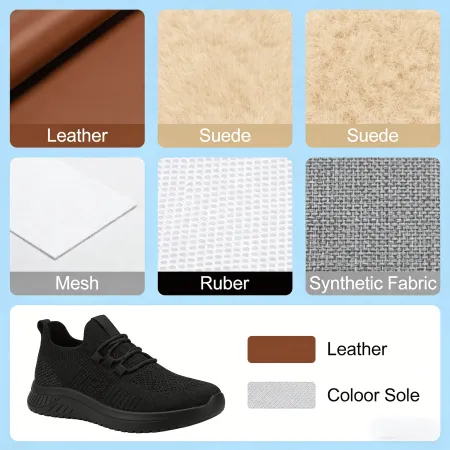
By maintaining long-cycle stable operation of our equipment and processes, we ensure that every batch of material provides consistent mechanical properties. Whether it is for shoe shock absorption or high-tension industrial mounts, our technical service team provides integrated solutions from formula design to final application testing.
Strategic Insights: Optimizing Your Selection Process
Selecting the right compound for iir rubber vibration damping requires a deep understanding of the operating environment. Professionals should consider the following factors:
- Frequency Range: Determine the dominant vibration frequencies to match the loss tangent (tan delta) of the IIR compound.
- Temperature Fluctuations: Ensure the glass transition temperature of the material is appropriate for the application’s climate.
- Chemical Exposure: In cases of oil or solvent contact, halogenated variants or specialized blends with POE might be necessary.
- Regulatory Compliance: For food or medical grade applications, only certified pure IIR grades should be utilized.
Frequently Asked Questions
What is the primary benefit of using IIR for vibration damping?
IIR offers a high loss factor, which means it can absorb and dissipate mechanical energy more effectively than most other elastomers, preventing the transfer of vibrations across a system.
How does halogenated IIR compare to regular IIR in damping applications?
Halogenated IIR (Bromobutyl/Chlorobutyl) offers faster curing and better adhesion to metals and other rubbers, making it superior for complex damping mounts and composite seals.
Can Chambroad provide customized IIR formulations?
Yes, we offer directional high-performance product R&D based on pilot and industrial-scale configurations to meet specific industrial requirements.
Conclusion
In an era where precision and sustainability are the drivers of industrial success, the role of iir rubber vibration damping stands as a fundamental pillar of engineering excellence. By choosing Chambroad's advanced material solutions, industries can ensure they are not only meeting today's performance demands but are also contributing to a more sustainable, circular future. Our expertise in halogenated rubber, high-performance polyolefins, and sustainable chemicals ensures that your applications remain stable, silent, and secure.
Ready to Enhance Your System’s Stability?
Consult with our technical experts today to receive a customized material analysis and learn how our iir rubber vibration damping solutions can improve your product's performance and lifecycle.
Copyright © 2026 Chambroad Chemical Solutions. All Rights Reserved. Professional Grade Materials for a Sustainable Future.