The Definitive Guide to High-Performance Butyl Rubber Applications and Advanced Industrial Solutions
Discovering the strategic integration of specialized elastomers and polyolefins to overcome modern manufacturing challenges.
Introduction: The Critical Role of Material Excellence
In today's rapidly evolving industrial landscape, the demand for materials that offer both extreme durability and environmental sustainability has never been higher. Manufacturers across the globe are constantly struggling with rising costs, stringent regulatory requirements, and the need for precision performance in harsh environments. Whether it is a pharmaceutical seal that must maintain absolute purity or an automotive component requiring long-term impact resistance, the choice of material is the foundation of success.
At Chambroad, we understand these complexities. This guide aims to provide a comprehensive analysis of modern material solutions, focusing heavily on diverse butyl rubber applications and the surrounding ecosystem of high-performance polyolefins and engineered wood. By the end of this resource, you will have a clear understanding of how to select the right materials to enhance your product lifecycle and operational efficiency.
Foundations of Polymer Science: Why Butyl Rubber?
Before diving into specific butyl rubber applications, it is essential to understand the unique molecular structure that makes this elastomer so valuable. Butyl rubber (IIR) is a synthetic elastomer produced by copolymerizing isobutylene with a small amount of isoprene. Its primary characteristic is its exceptional air impermeability, making it the industry standard for inner liners and pharmaceutical stoppers.
Halogenated versions, such as Chlorinated Butyl Rubber CIIR1338 and Bromobutyl Rubber BIIR2332, offer faster curing rates and improved adhesion to other rubbers, which is critical in complex tire manufacturing and industrial lining.
Critical Deep Dive: Diverse Butyl Rubber Applications
Chambroad Sinopoly has pioneered a full-cycle innovation model for rubber, moving from traditional petrochemical routes to sustainable, bio-based breakthroughs. The scope of butyl rubber applications today spans across several vital sectors:
1. Medical and Pharmaceutical Sealing
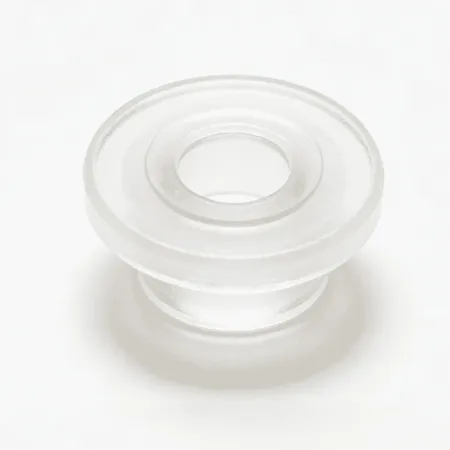
In the healthcare sector, safety and hygiene are non-negotiable. Medical Rubber Stoppers made from halogenated butyl rubber are preferred over natural rubber due to their superior chemical resistance and low extractables. These stoppers prevent drug absorption and penetration, ensuring the efficacy of life-saving medications in syringes and infusion bottles.
2. Food Industry and Gum Bases
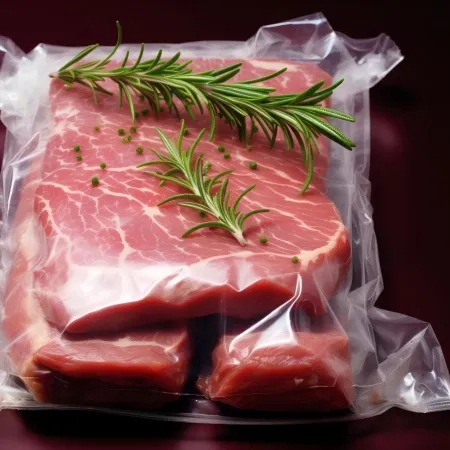
One of the more specialized butyl rubber applications is in the production of food-grade gum bases. Food-grade butyl rubber provides the necessary elasticity and consistency for chewing gum while meeting strict cleanliness and safety standards. Its stability ensures that the product remains safe for consumer contact without degrading over time.
3. Sustainable Tire Manufacturing: The ISCC PLUS Vision
Embracing the circular economy, Chambroad utilizes pyrolysis oil from waste tires to produce isobutylene, which is then used to create ISCC PLUS certified Butyl Rubber. This "tire-to-tire" loop allows manufacturers to create products with over 80% sustainable material content, drastically reducing the environmental footprint of modern mobility.
Beyond Rubber: High-Performance Polyolefins (PP & POE)
While butyl rubber applications are central to sealing, Chambroad’s expertise extends to advanced Polypropylene (PP) and Polyolefin Elastomers (POE).
Aramid Nanofibers and Industrial Filtration
Innovation at the nanoscale is reshaping industry boundaries. Chambroad's Para-aramid Nanofibers provide extreme heat resistance (over 400°C) and dimensional stability, making them the preferred choice for battery separators and high-end insulation.
For extreme industrial environments, the KNE-PBTP200 filter material operates stably at 190°C, providing precise filtration for diesel engines and chemical processing, reducing maintenance costs by up to 35%.
Sustainable Building: Modified Wood Materials
Beyond polymers, we are leading the way in engineered wood solutions. Our modified wood products are designed for durability and performance:
Marine Flooring
Salt-fog resistant and eco-friendly, ideal for seaside boardwalks and luxury vessels.
Flame Retardant Panels
Class B-s1, d0 flame retardancy for high-rise building exteriors and public safety.
LNG Support Wood
Ultra-low temperature resistance for cryogenic cargo tanks and LNG carriers.
Frequently Asked Questions (FAQ)
Q: What makes Chambroad's butyl rubber applications unique in the medical field?
A: Our halogenated butyl rubber stoppers are tested for extreme biocompatibility and low extractability, meeting FDA and RoHS standards to ensure drug safety.
Q: Can I request samples of the transparent PP or POE materials?
A: Yes, we provide samples for technical evaluation. Please contact our specialist team to match the right grade to your production equipment.
Q: How does the "tire-to-tire" circular economy work?
A: We process waste tires into pyrolysis oil, extract isobutylene, and synthesize new ISCC PLUS certified butyl rubber, closing the sustainability loop.
Q: What is the lead time for large-scale industrial material orders?
A: Thanks to our integrated industrial chain and optimized logistics, we offer industry-leading delivery speeds for both domestic and international markets.
Why Partner with Chambroad?
Our commitment to excellence is backed by rigorous quality control and a deep understanding of butyl rubber applications across global industries. We don't just provide materials; we provide integrated solutions.
Certified Quality
RoHS, REACH, FDA
R&D Excellence
Nanoscale Fiber Tech
Sustainability
ISCC PLUS Certified
Expert Support
Full-cycle Consulting
Optimize Your Material Strategy Today
Ready to explore how advanced butyl rubber applications can transform your production efficiency?
Contact our technical team for free samples and customized performance reports.
© 2026 Chambroad Solutions. All Rights Reserved. Specialized in Advanced butyl rubber applications and Polyolefin Excellence.