High-Performance Solutions from Leading Halogenated Butyl Rubber Manufacturers
Exploring the critical role of advanced elastomers in modern industrial, medical, and automotive applications through the lens of industry expertise and sustainable innovation.
Addressing the Challenges of Modern Material Science
In today's rapidly evolving industrial landscape, the demand for materials that offer exceptional air impermeability, chemical resistance, and thermal stability has never been higher. Manufacturers across the globe face the constant pressure of reducing production costs while simultaneously enhancing product durability and meeting stringent safety standards. Whether it is the integrity of a medical syringe or the longevity of a high-performance tire, the choice of raw materials is the foundational factor of success.
The core question for procurement specialists and engineers is how to secure a reliable supply of elastomers that can withstand extreme environments without degrading. This is where the expertise of halogenated butyl rubber manufacturers becomes indispensable. By modifying standard butyl rubber with chlorine or bromine, these specialists create materials that offer faster curing rates and better compatibility with other rubbers, solving the traditional bottlenecks of vulcanization and adhesion.
This comprehensive guide will explore the technical advantages of halogenated isobutylene-isoprene rubber (IIR), the strategic value of choosing high-tier halogenated butyl rubber manufacturers like Chambroad, and how these innovations are driving the transition toward a circular economy.
Understanding the Material Science of Halogenated IIR
Halogenated butyl rubber is produced through the continuous halogenation of butyl rubber. The primary types are Chlorinated Butyl Rubber (CIIR) and Brominated Butyl Rubber (BIIR). While regular butyl rubber is prized for its low gas permeability, its slow vulcanization rate and poor compatibility with other unsaturated rubbers like natural rubber or SBR often limit its application.
The Chlorination Advantage (CIIR)
Chlorinated versions, such as Chlorinated Butyl Rubber CIIR1338, provide a balanced profile of heat resistance and aging stability. The addition of chlorine allows for a more active cross-linking site, which significantly enhances the vulcanization speed and improves the co-vulcanization properties when blended with other elastomers.
The Bromination Advantage (BIIR)
Brominated variants like Bromobutyl Rubber BIIR2332 and BIIR 2828 are often preferred in tire inner liners and medical applications. Bromine is more reactive than chlorine, providing even faster cure cycles and superior adhesion to the tire carcass. For halogenated butyl rubber manufacturers, achieving the precise bromine content and Mooney viscosity is critical to ensuring the material performs under high-stress conditions.
Core Solutions for Demanding Industrial Environments
Automotive Sealing & Inner Liners
For the automotive industry, air retention is the primary goal. Leading halogenated butyl rubber manufacturers provide specialized grades that ensure tires maintain pressure longer, improving fuel efficiency and safety. The use of CIIR and BIIR in tire components reduces the overall weight of the tire assembly, contributing to the industry trend of lightweighting.
Pharmaceutical & Medical Grade Packaging
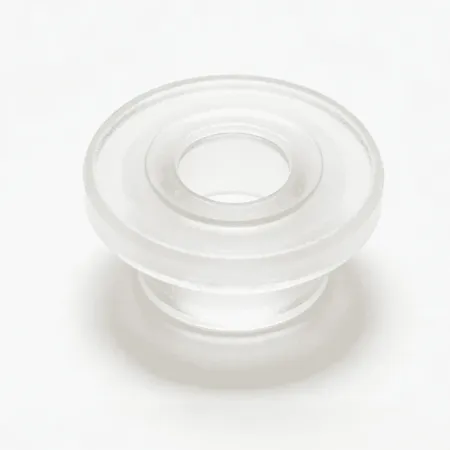
In the healthcare sector, the purity of the material is paramount. Medical Rubber Stoppers made from halogenated butyl rubber offer low extractables and excellent resealability. Compared to natural rubber, these stoppers prevent drug absorption and penetration, ensuring the efficacy of life-saving medications.
Why Trust Chambroad as Your Strategic Partner
With over a decade of experience in the petrochemical and advanced materials sector, Chambroad has established itself as a premier name among halogenated butyl rubber manufacturers. Our approach combines deep technical expertise with a commitment to sustainable growth.
-
Full-Cycle Innovation: We manage the entire value chain, from pyrolysis oil derived from waste tires to the production of ISCC PLUS certified butyl rubber. This "Tire-to-Tire" approach ensures a circular economy.
-
Global Standards: Our products meet RoHS, REACH, and FDA certifications, making them suitable for the most sensitive medical and food-contact applications.
-
Technical Support: We don't just supply raw materials; we provide integrated solutions, including formula matching and macro-structure analysis to ensure our POE and rubber grades fit your specific production lines perfectly.
Sustainable Development & The Circular Economy
As the world pivots toward green mobility, the role of halogenated butyl rubber manufacturers is transforming. Chambroad is at the forefront of this shift by producing ISCC PLUS certified butyl rubber. By utilizing pyrolysis oil from waste tires as a feedstock for isobutylene, we have enabled our clients to produce products containing over 80% sustainable materials.
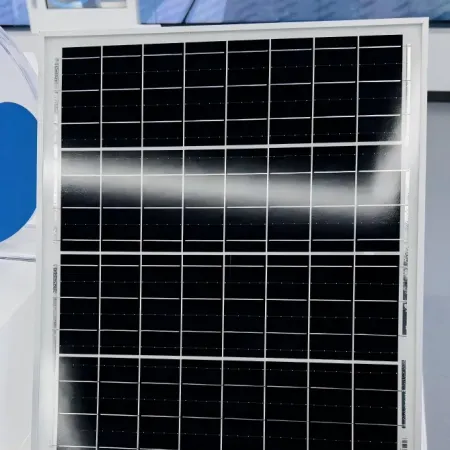
This commitment to sustainability is reflected in our entire product portfolio, from bio-based rubber breakthroughs to our high-performance polyolefin elastomers (POE) used in solar film and automotive modification.
Frequently Asked Questions (FAQ)
How do halogenated butyl rubber manufacturers ensure product consistency?
Top-tier manufacturers like Chambroad utilize long-cycle stable operation systems for equipment and processes. We establish enterprise, group, and industry standards to ensure that every batch of CIIR or BIIR matches the specific Mooney viscosity and halogen content required by the customer.
What is the typical lead time for large industrial orders?
Leveraging our large-scale industrial configuration and optimized supply chain, we offer extremely fast delivery speeds, catering to both small-scale pilot tests and massive industrial production needs.
Do you provide samples for compatibility testing?
Yes, we believe in the professional quality of our materials. We provide samples for a wide range of products, including our BIIR2332 and medical grade PP resins, to help you verify compatibility with your existing formulas.
Partner with Global Halogenated Butyl Rubber Manufacturers
Take the next step in optimizing your material supply chain with Chambroad's innovative solutions.
© 2026 Chambroad Sinopoly. All Rights Reserved. Professional Grade Materials for a Sustainable Future.