Optimizing Industrial Performance with IIR Rubber Chemical Material
Unlocking the potential of high-barrier elastomers for the next generation of medical, automotive, and industrial sealing systems.
Driving Innovation through Advanced Elastomers
In the modern manufacturing landscape, the demand for materials that offer both extreme durability and specialized protective properties has never been higher. Engineers and procurement specialists across the globe face the constant challenge of finding components that can withstand harsh chemical environments while maintaining air-tight seals. One of the most critical components in solving these challenges is the iir rubber chemical material, a synthetic elastomer known for its exceptional impermeability to gases and its impressive resistance to aging and heat.
At Chambroad, we recognize that selecting the right polymer is not just about meeting a specification; it is about ensuring the longevity and safety of the final product. Whether it is for the inner liners of high-performance tires or the critical seals in medical devices, our commitment to excellence ensures that every batch of iir rubber chemical material we provide meets the most stringent international standards. This guide will explore the technical nuances and strategic advantages of integrating these advanced materials into your production cycle.
Understanding the IIR Rubber Chemical Material Spectrum
Isobutylene Isoprene Rubber, commonly referred to as butyl rubber, is a copolymer consisting primarily of isobutylene with a small percentage of isoprene. This unique chemical structure is what grants the material its signature low gas permeability. However, the industry has evolved beyond basic formulations. Today, halogenated versions such as Chlorinated Butyl Rubber (CIIR) and Bromobutyl Rubber (BIIR) have become the gold standard for high-performance applications.
Chlorinated Butyl Rubber (CIIR)
Our CIIR1338 provides a faster cure rate and improved adhesion to other rubbers like natural rubber and SBR. It is widely utilized in tire inner liners and pharmaceutical stoppers where consistent sealing is non-negotiable.
The adoption of iir rubber chemical material allows manufacturers to reduce the thickness of components without sacrificing performance. This contributes directly to lightweighting efforts in the automotive sector, which is increasingly focused on energy efficiency and carbon reduction.
Medical and Industrial Synergy
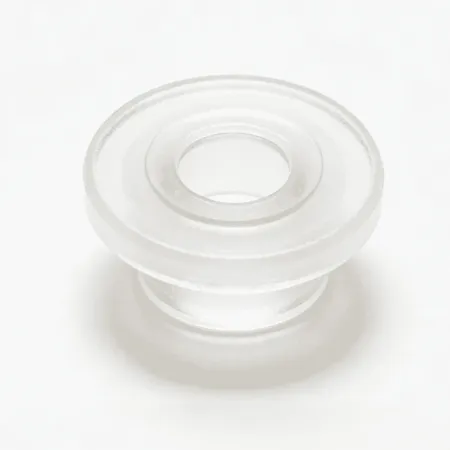
One of the most sensitive applications for iir rubber chemical material is in the medical field. Specifically, medical rubber stoppers manufactured from halogenated butyl rubber are preferred over natural rubber counterparts. This preference stems from the material's ability to prevent the absorption of medication, minimize leaching of chemicals, and maintain a sterile barrier over long storage periods.
Furthermore, Chambroad is at the forefront of sustainable innovation. We have integrated ISCC PLUS certified pathways, utilizing recycled tire pyrolysis oil to produce isobutylene, which is then used to synthesize high-quality butyl rubber. This "Tire-to-Tire" circular economy model ensures that our partners can meet their ESG goals while utilizing a premium iir rubber chemical material.
Expert Insight: Processing Advantages
Halogenated iir rubber chemical material significantly enhances the processing window for manufacturers. It allows for shorter vulcanization cycles and lower energy consumption, which directly translates to a reduction in operational costs. For a detailed breakdown, refer to our technical processing guide.
Quantifiable Improvements in Performance
When evaluating the switch to specialized Chambroad solutions, manufacturers often observe improvements in several key areas:
- Enhanced Gas Retention: Superior air-tightness for tires and storage tanks, extending maintenance intervals.
- Chemical Stability: Exceptional resistance to acidic and alkaline environments, making it ideal for pharmaceutical packaging.
- Thermal Resilience: Maintains mechanical properties even when exposed to continuous high temperatures.
- Seamless Integration: High compatibility with other polyolefin materials such as POE elastomers and Transparent Polypropylene.
By sourcing your iir rubber chemical material from a vertically integrated supplier like Chambroad, you gain access to a stable supply chain and rigorous quality control platforms that cover everything from microscopic structure analysis to macro-level application testing.
Frequently Asked Questions
What makes IIR rubber chemical material better than natural rubber for medical stoppers?
IIR rubber offers much lower permeability and higher chemical purity. This prevents drugs from interacting with the stopper and keeps the medication safe and effective for longer periods.
Does Chambroad provide samples for pilot testing?
Yes, we support our partners from small-scale testing to industrial-scale production. We offer customized product development to ensure the material matches your specific equipment and formulation requirements.
How does the ISCC PLUS certification benefit my business?
Using ISCC PLUS certified iir rubber chemical material allows you to claim a percentage of sustainable content in your final products, helping you meet regulatory requirements and appeal to eco-conscious consumers.
Future-Proof Your Manufacturing with Chambroad
The right iir rubber chemical material is more than just a raw ingredient; it is a catalyst for innovation and reliability. Partner with Chambroad to access world-class technical support and sustainable high-performance polymer solutions.
Copyright 2026 Chambroad High-Performance Material Solutions. All rights reserved.