Advanced Halogenated Butyl Rubber for Pharmaceutical Stoppers: A Technical Guide
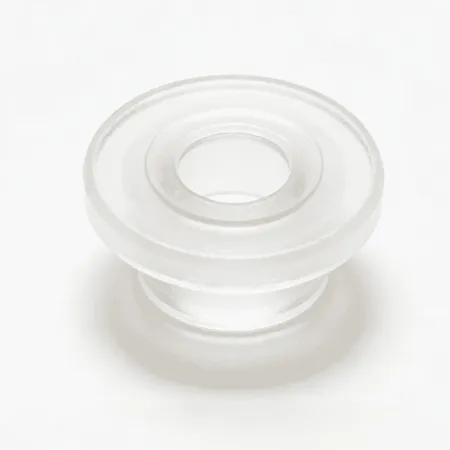
In the modern healthcare landscape, the integrity of drug packaging is non-negotiable. As biological and sensitive pharmaceutical formulations become more complex, the demand for high-performance materials like halogenated butyl rubber for pharmaceutical stoppers has reached an all-time high.
Navigating the Challenges of Pharmaceutical Primary Packaging
Pharmaceutical manufacturers face a constant battle against contamination, drug-container interactions, and the loss of container closure integrity (CCI). Standard natural rubber or general-purpose elastomers often fail to meet the rigorous purity standards required for injectable drugs. The risks are significant: chemical leaching, gas permeation, and moisture ingress can compromise the efficacy of life-saving medications.
How can manufacturers ensure that a stopper remains chemically inert while providing an airtight seal over a shelf life of several years? The answer lies in the molecular engineering of elastomers. This article serves as a comprehensive guide to understanding why halogenated butyl rubber for pharmaceutical stoppers has become the industry benchmark for safety and reliability.
By reading this guide, you will gain insights into the chemistry of halogenated isobutylene-isoprene rubber (IIR), the specific advantages of Bromobutyl and Chlorobutyl grades, and how Chambroad is leading the innovation in medical-grade elastomers to support the global healthcare supply chain.
The Science of Halogenated Butyl Rubber
Butyl rubber (IIR) is a synthetic elastomer produced by copolymerizing isobutylene with a small amount of isoprene. While regular butyl rubber offers excellent gas barrier properties, its slow vulcanization rate and limited compatibility with other rubbers led to the development of halogenated versions.
The process of halogenation—introducing bromine or chlorine into the polymer chain—transforms the material. This modification increases the reactivity of the rubber, allowing for faster curing and stronger cross-linking. In the context of medical applications, halogenated butyl rubber for pharmaceutical stoppers provides a cleaner, more stable base compared to traditional materials.
Bromobutyl Rubber (BIIR)
Bromobutyl, such as BIIR 2332 and BIIR 2828, is known for its high curing speed and excellent adhesion properties. It is often preferred for pharmaceutical stoppers due to its exceptional cleanliness and lower levels of extractables.
Chlorobutyl Rubber (CIIR)
Chlorobutyl rubber, including grades like CIIR 1338, offers superior heat resistance and stable aging properties. It provides a robust barrier against moisture and gases, making it ideal for long-term storage of sensitive liquid formulations.
Why Choose Halogenated Butyl Rubber for Pharmaceutical Stoppers?
The selection of halogenated butyl rubber for pharmaceutical stoppers is driven by several critical performance factors that directly impact patient safety and product shelf life.
Superior Gas and Moisture Barrier
One of the standout features of halogenated IIR is its extremely low permeability. This is crucial for maintaining the stability of lyophilized (freeze-dried) powders and oxygen-sensitive liquid drugs. By preventing the ingress of water vapor and the egress of essential gases, these stoppers ensure the drug's potency remains unchanged.
Chemical Inertness and Low Extractables
Modern drug formulations, especially biologics, are highly sensitive to metal ions and organic extractables that can leach from rubber components. Chambroad's Medical Rubber Stopper solutions utilize high-purity halogenated polymers and specialized fillers like kaolin to minimize interaction with the medication.
Excellent Self-Sealing and Fragmentation Resistance
When a needle pierces a stopper, the material must reseal instantly to prevent contamination. Furthermore, the rubber must resist "coring"—the creation of small rubber fragments that could enter the drug. The high elastic recovery of halogenated butyl rubber for pharmaceutical stoppers provides the necessary resilience for multiple punctures in multi-dose vials.
Strategic Advantages of Chambroad Solutions
At Chambroad, we understand that the pharmaceutical industry requires more than just raw materials; it requires a partner in innovation. Our commitment to the circular economy and high-performance materials sets us apart.
-
Quality and Compliance: All our rubber materials meet international standards including RoHS, REACH, and FDA certifications. We employ rigorous batch testing to ensure consistent viscosity and halogen content.
-
Integrated Supply Chain: By leveraging our expertise in petrochemicals and downstream processing, we provide a stable supply of halogenated IIR solutions that mitigate global market fluctuations.
-
Customization: We offer a range of grades with different Mooney viscosities and halogen levels to suit specific molding processes, whether you are using compression, transfer, or injection molding.
Frequently Asked Questions
What is the main difference between Bromobutyl and Chlorobutyl in stoppers?
Bromobutyl (BIIR) typically offers a faster cure rate and better adhesion to other elastomers, whereas Chlorobutyl (CIIR) is often recognized for its superior heat stability during sterilization processes like autoclaving.
How does Chambroad ensure the cleanliness of its rubber grades?
We utilize advanced purification technologies and maintain strict control over catalysts and additives to ensure that our halogenated butyl rubber for pharmaceutical stoppers contains minimal levels of non-intentionally added substances (NIAS).
Is this material compatible with gamma radiation sterilization?
Yes, halogenated butyl rubber is compatible with various sterilization methods, including steam (autoclave), ethylene oxide (EtO), and gamma irradiation, though specific formulation adjustments may be recommended for high-dose radiation.
Can I request samples for stability testing?
Absolutely. We encourage our clients to perform rigorous stability testing and offer samples of our BIIR and CIIR grades to support your R&D efforts.
Optimize Your Pharmaceutical Packaging Today
Ensure the safety and longevity of your medical products with Chambroad high-performance materials. Our technical experts are ready to assist you in selecting the ideal grade for your specific application.