Maximizing Industrial Durability through High-Performance Butyl Rubber Applications and Material Innovation
Discover how advanced elastomer technology from Chambroad is redefining sealing, safety, and sustainability in global manufacturing through specialized butyl rubber applications.
Overcoming Material Failure in Demanding Industrial Environments
In the modern industrial landscape, manufacturers face a persistent set of challenges: escalating operational costs, strict regulatory compliance, and the constant threat of material degradation. Whether it is a tire inner liner losing pressure, a medical stopper reacting with sensitive pharmaceuticals, or a food-grade seal failing to maintain purity, the cost of sub-optimal material selection is astronomical. These failures lead to unplanned downtime, safety risks, and significant financial losses.
How can engineers ensure long-term gas impermeability and chemical resistance in such diverse environments? The answer lies in the strategic implementation of butyl rubber applications. As a leader in high-performance materials, Chambroad provides advanced solutions that bridge the gap between traditional polymer limitations and modern performance requirements. This guide explores how our specialized products, including Chlorinated Butyl Rubber (CIIR) and Bromobutyl Rubber (BIIR), serve as the backbone of resilient industrial systems.
Understanding the Core: What Makes Butyl Rubber Unique?
Butyl rubber (IIR) is a synthetic elastomer produced by the copolymerization of isobutylene with a small amount of isoprene. Its primary distinction lies in its molecular structure, which provides the lowest gas permeability among all known rubbers. This unique property is the foundation for most butyl rubber applications worldwide.
The Evolution to Halogenated Butyl Rubber
While standard butyl rubber offers excellent vibration damping and moisture resistance, it can be difficult to vulcanize and lacks compatibility with other elastomers. To solve this, halogenation processes introduce chlorine or bromine into the molecular chain, resulting in Chlorinated Butyl Rubber (CIIR) and Bromobutyl Rubber (BIIR). These modifications offer:
- Faster Cure Rates: Enhanced reactivity allows for higher production speeds.
- Co-vulcanization: The ability to bond seamlessly with natural rubber and SBR.
- Superior Heat Resistance: Maintaining integrity at higher operating temperatures.
In-Depth Analysis: Key Butyl Rubber Applications
Chambroad's portfolio is designed to meet the most stringent requirements across various sectors. Below is a detailed breakdown of how our materials are utilized.
1. Automotive and Tire Manufacturing
The most prominent of all butyl rubber applications is the tire inner liner. By using Bromobutyl Rubber BIIR2332 or CIIR1338, manufacturers can ensure that tires maintain optimal air pressure over long periods. This not only improves fuel efficiency but also enhances vehicle safety by preventing sudden pressure drops.
Furthermore, our polyolefin elastomer (POE) products like Betopp G6012 are often used in conjunction with rubber components for automotive modification, providing high impact resistance and lightweight properties for modern electric vehicles.
2. Medical and Pharmaceutical Sealing
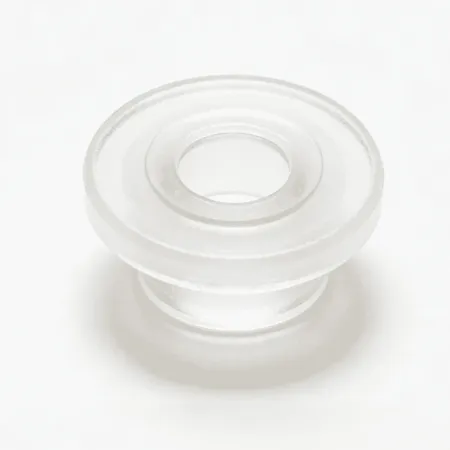
Safety is paramount in the healthcare supply chain. Traditional natural rubber stoppers can release proteins or absorb medication, compromising drug efficacy. Butyl rubber applications in medical stoppers and syringe gaskets provide a superior barrier. Products like medical grade rubber stoppers made from HIIR are low-extractable, ensuring biocompatibility and hygiene.
Chambroad also integrates medical grade transparent PP RP348P for syringe bodies, creating a complete, safe packaging solution for sensitive injectables.
3. Food Industry: Gum Base and Packaging
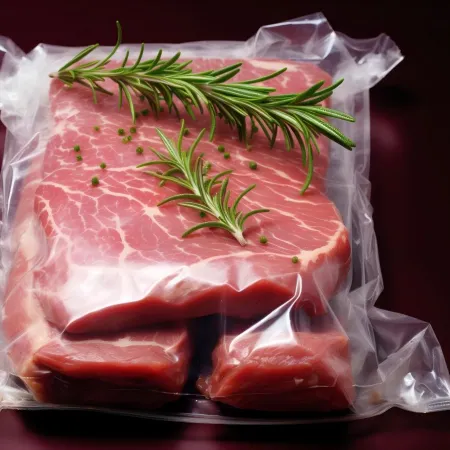
Food-grade butyl rubber is an essential component in chewing gum bases. Its stable, clean, and high-purity nature ensures that it meets international food safety standards. Beyond gum, the impermeability of the material makes it ideal for specialized food packaging liners where moisture and oxygen exclusion are critical for shelf-life extension.
4. Sustainable Infrastructure and Civil Engineering
The durability of butyl rubber applications extends to construction. It is used in roofing membranes, waterproof sealants, and vibration isolation mounts. For advanced sustainable building, Chambroad offers modified wood materials that, when paired with high-performance sealants, create long-lasting, eco-friendly structures.
Why Choose Chambroad Solutions?
Our commitment to excellence is backed by rigorous quality control and innovative chemical engineering. We don't just supply raw materials; we provide strategic advantages through:
- ISCC PLUS Certification: Leading the way in "Tire to Tire" green circular economy initiatives.
- Vertical Integration: From waste tire pyrolysis to isobutylene production and final HIIR output.
- Global Compliance: Products meet FDA, RoHS, and REACH standards.
Frequently Asked Questions
How do halogenated butyl rubbers improve tire life?
By drastically reducing the rate of air permeation compared to natural rubber, halogenated HIIR ensures tires remain inflated at the correct pressure, reducing rolling resistance and uneven wear. This is one of the most critical butyl rubber applications for modern transportation.
Is your butyl rubber safe for pharmaceutical use?
Yes, our CIIR and BIIR grades are specifically formulated for medical stoppers. They undergo rigorous testing for biological compatibility and low chemical leaching to protect patient safety.
Can I request a sample for my specific project?
Absolutely. We encourage technical teams to test our materials in their unique environments. Contact our technical experts to receive a sample tailored to your manufacturing requirements.
Ready to Optimize Your Material Performance?
Whether you are exploring new butyl rubber applications or looking to upgrade your existing supply chain with ISCC PLUS certified materials, Chambroad is your partner in innovation.
© 2026 Chambroad High-Performance Materials Solutions. All Rights Reserved.
Specializing in BIIR, CIIR, POE, and Sustainable Polypropylene.