Advanced Guide on Halogenated Butyl Rubber vs Butyl Rubber Differences
In the high-stakes world of industrial polymer selection, engineers and procurement specialists frequently encounter a pivotal decision regarding barrier materials. Selecting the right elastomer for tire inner liners, pharmaceutical packaging, or specialized gaskets requires a profound understanding of the halogenated butyl rubber vs butyl rubber differences. While both materials originate from the same isobutylene-isoprene backbone, their chemical modifications dictate significantly different performance trajectories in demanding environments.
Many manufacturing facilities face challenges such as slow vulcanization rates, poor adhesion to other rubber components, and insufficient heat resistance when using standard elastomers. These issues often lead to increased production cycles and higher operational costs. At Chambroad, we recognize that these technical hurdles can be overcome by leveraging the unique chemical structures of halogenated derivatives. This guide serves as a strategic resource to help you navigate these material complexities and optimize your product lifecycle.
Foundational Knowledge of Butyl Elastomers
Standard Butyl Rubber, chemically known as IIR (Isobutylene Isoprene Rubber), is a synthetic elastomer produced by the copolymerization of isobutylene with a small amount of isoprene. Its primary fame in the industry stems from its exceptional gas impermeability. Because of its dense molecular structure, it is the gold standard for inner tubes and air-retention bladders. However, the saturation level of the polymer chain limits its reactivity.
On the other hand, halogenated butyl rubber is produced by substituting a halogen atom, typically chlorine or bromine, onto the isoprene units of the butyl chain. This process creates Chlorobutyl (CIIR) and Bromobutyl (BIIR). This seemingly small molecular shift is the root of the most significant halogenated butyl rubber vs butyl rubber differences. The introduction of halogens enhances the cross-linking capability, allowing for much faster cure rates and better compatibility with other unsaturated rubbers like Natural Rubber (NR) or Styrene Butadiene Rubber (SBR).
Analyzing the Halogenated Butyl Rubber vs Butyl Rubber Differences
To make an informed decision for your manufacturing process, it is essential to look at specific performance metrics where these materials diverge. The following analysis highlights the core functional shifts caused by halogenation.
Vulcanization and Curing Speed
One of the most immediate halogenated butyl rubber vs butyl rubber differences is the speed at which the material reaches full cure. Standard IIR requires strong sulfur-based acceleration systems and long heating times because of its low level of unsaturation. Halogenated versions, such as Bromobutyl Rubber BIIR2332, exhibit much higher reactivity. This allows for reduced energy consumption in the factory and higher throughput on the production line.
Co-vulcanization and Adhesion
In multi-layered products like modern tubeless tires, the inner liner must bond perfectly with the tire carcass. Standard butyl rubber struggles to bond with other rubber types due to the vast difference in cure rates. Halogenation solves this problem entirely. By using Chlorinated Butyl Rubber CIIR1338, manufacturers achieve excellent co-vulcanization, ensuring that the layers do not delaminate under high-speed stress or thermal fluctuation.
Heat and Aging Resistance
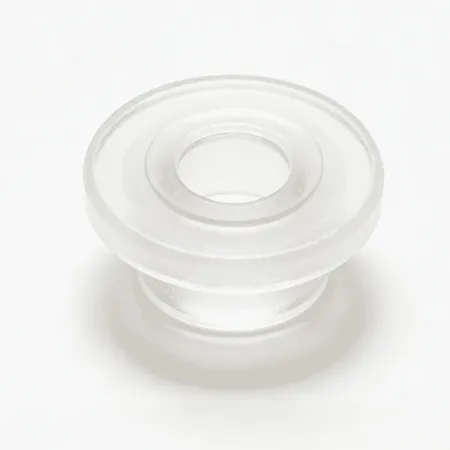
While both materials offer good heat resistance compared to natural rubber, halogenated butyl provides superior stability in high-temperature sealing environments. This is particularly critical in pharmaceutical applications where steam sterilization is a standard procedure. The ability to maintain physical integrity and low extractable levels makes halogenated variants the preferred choice for Medical Rubber Stoppers.
Professional Solutions with Chambroad Sinopoly
Chambroad has established itself as a leader in high-performance materials by focusing on the full-cycle innovation of elastomers. Our Sinopoly range addresses the nuances of the halogenated butyl rubber vs butyl rubber differences by providing tailored grades for specific industrial needs. We understand that a tire manufacturer has different requirements than a pharmaceutical packaging company, and our R&D reflects that depth of understanding.
Our commitment to quality is evidenced by our robust testing platforms, covering everything from microscopic molecular analysis to macroscopic application testing. When you partner with Chambroad, you are not just purchasing a raw material; you are accessing a comprehensive technical support system. We provide pre-sale consulting, on-site technical services during production, and dedicated after-sales support to ensure that the transition from standard butyl to halogenated solutions is seamless and profitable.
Key Product: BIIR 2828
Specialized for high-end applications, BIIR 2828 offers superior processing stability and consistent batch quality, ensuring that your automated production lines run without interruption.
Key Product: CIIR 1338
Designed for demanding industrial seals and liners, our chlorinated grades provide the necessary chemical resistance and curing versatility to meet international safety standards.
Value and Benefits of Halogenated Technology
Transitioning to halogenated elastomers offers several quantifiable advantages for modern enterprises. By focusing on the halogenated butyl rubber vs butyl rubber differences, companies can unlock new levels of efficiency and product safety.
- Reduced Cycle Times: Faster vulcanization leads to a reduction in manufacturing energy costs and increased output.
- Enhanced Product Safety: Low permeability and high chemical stability reduce the risk of contamination in food and medical packaging.
- Lower Rejection Rates: Improved adhesion and processing stability lead to fewer defects in complex composite rubber products.
- Environmental Compliance: Chambroad's ISCC PLUS certified materials support a circular economy by integrating sustainable feedstock into the elastomer production line.
Frequently Asked Questions
How do the halogenated butyl rubber vs butyl rubber differences affect storage?
Halogenated butyl rubber is more reactive and can be sensitive to moisture and light. It should be stored in a cool, dry place to prevent premature cross-linking, whereas standard butyl is more stable under varying conditions.
Can I use standard butyl rubber in medical stoppers?
While possible, it is not recommended. Halogenated butyl rubber, particularly Bromobutyl, is preferred due to its cleanliness and minimal interaction with drugs, ensuring the safety of pharmaceutical formulations.
What is the typical lead time for Chambroad Sinopoly products?
We pride ourselves on an extreme delivery speed and a stable supply chain. Depending on the volume and customization requirements, we offer industry-leading lead times through our optimized logistics network.
Ready to Optimize Your Material Selection?
Contact our technical specialists today to receive a free consultation and sample kit based on the halogenated butyl rubber vs butyl rubber differences analysis.
Copyright 2026 Chambroad Solutions. All Rights Reserved. Performance materials for a sustainable future.