Advancing Industrial Durability with IIR Rubber for Protective Coatings
Discover the technical advantages and strategic applications of Isobutylene-Isoprene Rubber in the most demanding industrial environments.
Industrial assets face a constant barrage of corrosive elements, extreme temperatures, and chemical exposure. Traditional coating materials often fall short in providing the absolute barrier properties required for long-term protection. This is where iir rubber for protective coatings emerges as a critical solution for engineers and material scientists seeking uncompromising durability. As a leading innovator in high-performance materials, Chambroad provides advanced butyl rubber solutions that redefine the standards of impermeability and chemical resistance in modern manufacturing.
The primary challenge in heavy industries such as chemical processing, marine logistics, and energy storage is the prevention of substrate degradation. Whether it is a storage tank for aggressive acids or a marine vessel exposed to saline environments, the choice of lining material determines the lifecycle of the asset. By integrating iir rubber for protective coatings, businesses can significantly reduce maintenance intervals and prevent catastrophic failures caused by permeability issues.
Understanding the Material Science of IIR Rubber
Isobutylene-isoprene rubber, commonly known as butyl rubber (IIR), is a synthetic elastomer produced by the copolymerization of isobutylene with a small amount of isoprene. Its unique molecular structure is characterized by a high degree of saturation, which imparts exceptional stability. Unlike many other elastomers, iir rubber for protective coatings features a tightly packed molecular chain that serves as an almost impenetrable shield against gases and moisture.
Chambroad’s specialized production processes enhance these inherent qualities. For instance, halogenated derivatives like Chlorinated Butyl Rubber CIIR1338 and Bromobutyl Rubber BIIR2332 offer faster vulcanization rates and improved adhesion to metal substrates. These characteristics are vital when formulating iir rubber for protective coatings that must remain bonded under high-pressure conditions or thermal cycling.
Strategic Implementation of Protective Solutions
When selecting the appropriate grade of iir rubber for protective coatings, several technical parameters must be evaluated to ensure optimal performance. The success of a protective lining system depends on the synergy between the elastomer and the specific chemical environment it will inhabit.
Chemical Resistance Profiles
IIR exhibits remarkable resistance to polar solvents, phosphate ester hydraulic fluids, and inorganic acids. This makes it the preferred choice for lining storage tanks containing sulfuric or hydrochloric acid. Professionals often choose iir rubber for protective coatings because it does not swell or degrade when exposed to these aggressive media, unlike nitrile or natural rubber alternatives.
Low Gas Permeability
One of the most valuable traits of iir rubber for protective coatings is its low air and gas permeability. This property is utilized in vacuum systems and high-pressure gas storage, where maintaining an airtight seal is mandatory. The material ensures that corrosive gases cannot penetrate the coating to reach the underlying metallic structure.
Adhesion and Application Techniques
For a coating to be effective, it must maintain a permanent bond with the substrate. Modern industrial applications often utilize halogenated IIR solutions to bridge the gap between traditional rubber processing and high-speed coating applications. These materials are compatible with various bonding agents, allowing for the creation of composite layers that combine the flexibility of rubber with the rigidity of steel or concrete.
Diverse Industrial Applications
The versatility of iir rubber for protective coatings allows it to cross multiple industry boundaries, providing value from healthcare to heavy logistics.
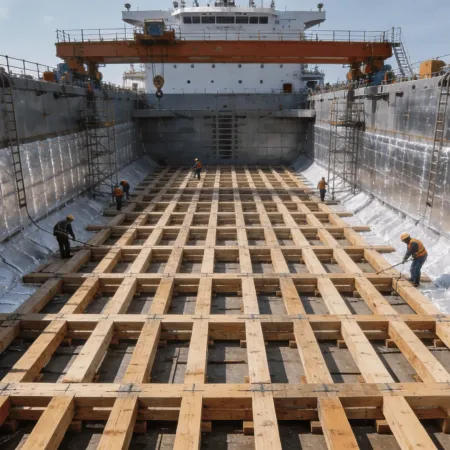
- Marine and Offshore Structures: Used in marine anti-corrosion flooring and cargo tank supports, IIR provides a barrier against saltwater and extreme humidity, preventing structural fatigue.
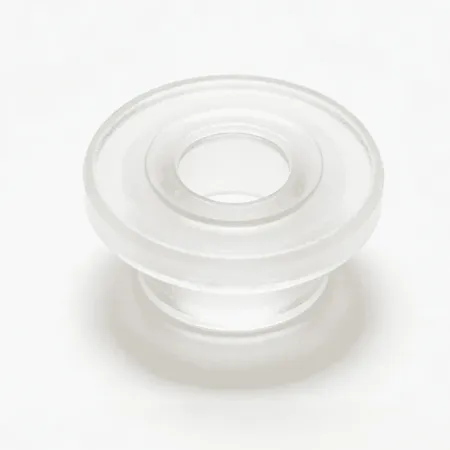
- Medical and Pharmaceutical: High-purity IIR is essential for medical rubber stoppers and syringe components, where it acts as a protective barrier against moisture and contamination.
- Energy and Storage: In battery manufacturing and energy storage, iir rubber for protective coatings ensures that internal electrolytes are contained without leakage or environmental interaction.
Why Choose Chambroad Solutions
At Chambroad, our commitment to excellence is reflected in our rigorous quality control and innovation. Our iir rubber for protective coatings is manufactured to meet international standards including RoHS and REACH, ensuring that performance does not come at the cost of environmental safety. Furthermore, we are pioneering the circular economy with our ISCC PLUS certified butyl rubber, derived from recycled tire materials, demonstrating that high-performance industrial coatings can be sustainable.
Our technical team provides end-to-end support, from initial material selection to post-application testing. By choosing Chambroad, you gain access to a platform of micro-macro application analysis, ensuring that the iir rubber for protective coatings you implement is perfectly matched to your operational requirements.
Frequently Asked Questions
How does IIR compare to natural rubber for chemical linings?
IIR rubber offers significantly higher resistance to oxidation, ozone, and many aggressive chemicals compared to natural rubber. It is especially superior in applications requiring low gas permeability and high thermal stability.
Can IIR rubber coatings be used in high-temperature environments?
Yes, iir rubber for protective coatings maintains its physical properties and flexibility across a broad temperature range, typically from minus 40 degrees to over 120 degrees Celsius, depending on the specific formulation.
Are there food-grade options available for IIR rubber?
Chambroad provides food-grade butyl rubber that complies with safety standards for applications such as chewing gum bases and food-contact packaging linings, ensuring high cleanliness and stability.
Secure Your Industrial Assets Today
Investing in high-quality iir rubber for protective coatings is a strategic decision that pays dividends in safety and longevity. Contact our technical experts to receive a customized material assessment.
Copyright 2026 Chambroad Materials & Solutions. All rights reserved.