High-Performance IIR Rubber Polymer Material: Engineering Reliability and Sustainability
As global industries transition toward more demanding performance standards and sustainable manufacturing practices, the role of specialized elastomers has become paramount. Chambroad stands at the forefront of this evolution, delivering advanced solutions in the field of iir rubber polymer material to meet the rigorous needs of modern automotive, medical, and industrial sectors.
This comprehensive guide explores the technical intricacies, applications, and strategic advantages of halogenated butyl rubber and its vital role in the contemporary material science landscape.
Understanding the Foundations of IIR Rubber Polymer Material
The term iir rubber polymer material refers to Isobutylene Isoprene Rubber, a synthetic elastomer renowned for its exceptional impermeability to gases and excellent resistance to heat, weather, and chemicals. Unlike natural rubber, the molecular structure of IIR is primarily composed of saturated hydrocarbon chains, which provides its signature stability. However, to enhance its reactivity and bonding capabilities with other materials, halogenation is often employed, resulting in Chlorinated Butyl Rubber (CIIR) and Bromobutyl Rubber (BIIR).
At Chambroad, we leverage advanced polymerization techniques to produce high-purity halogenated butyl rubber. These materials are essential for applications where air retention and chemical inertness are non-negotiable. For instance, our Chlorinated Butyl Rubber CIIR1338 is specifically engineered for industrial environments that demand high processing safety and superior vulcanization characteristics.
Key Characteristics of BIIR and CIIR
- Superior air impermeability for tire inner liners and seals.
- High heat resistance and aging stability under extreme conditions.
- Low vibration transmission and excellent energy absorption.
- High chemical resistance to acids, alkalis, and oxidative fluids.
Strategic Applications of Advanced IIR Solutions
The versatility of iir rubber polymer material allows it to permeate critical sectors. Chambroad ensures that each grade of rubber is optimized for its specific end-use, whether it is for the life-saving precision of medical devices or the heavy-duty demands of the automotive industry.
Medical Grade Integrity and Safety
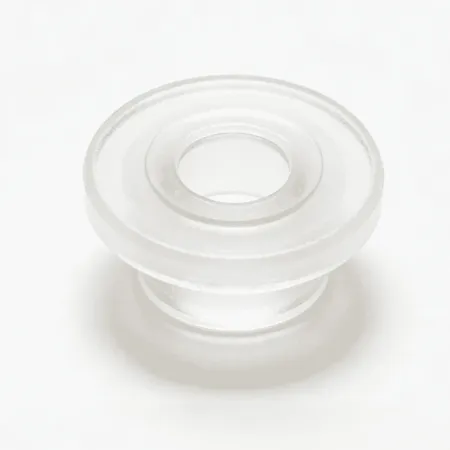
In the pharmaceutical industry, packaging integrity is vital. Our medical rubber stoppers utilize halogenated IIR as a base material to prevent interactions between the drug and the container. Traditional natural rubber stoppers often suffer from absorption or leaching issues, whereas iir rubber polymer material provides a clean, inert barrier that ensures drug stability over long shelf lives.
Complementing these rubber solutions, Chambroad also provides medical-grade polypropylene, such as RP348P, which is used for syringe production. Together, these materials form a holistic healthcare supply chain solution characterized by safety and biocompatibility.
Automotive Innovation and Performance
The automotive industry relies heavily on iir rubber polymer material for tire inner liners, gaskets, and hoses. The ability of Bromobutyl Rubber, such as BIIR2332 and BIIR 2828, to co-vulcanize with other rubbers like NR or SBR makes it indispensable for modern tire construction. This ensures tires maintain pressure for longer periods, improving fuel efficiency and safety.
Furthermore, as vehicles move toward lightweight designs, our Polyolefin Elastomer (POE) materials work in tandem with rubber components to provide impact resistance and flexibility in modified automotive parts.
Driving the Circular Economy with ISCC PLUS Butyl Rubber
Chambroad is deeply committed to environmental stewardship. One of our landmark innovations is the development of ISCC PLUS certified butyl rubber. By utilizing pyrolysis oil derived from waste tires as a raw material to produce isobutylene, we have successfully created a "Tire-to-Tire" green closed-loop system.
The "Tire to Tire" Full Cycle Innovation
This process significantly reduces the carbon footprint of manufacturing iir rubber polymer material. Clients using our sustainable solutions can generate products with over 80% sustainable material content, meeting the growing global demand for eco-friendly industrial supplies. This breakthrough not only addresses the issue of waste tire disposal but also provides a stable, high-quality material source for the next generation of high-performance tires.
Our commitment to sustainability extends beyond rubber. Whether it is engineered wood materials for eco-friendly construction or bio-based chemical breakthroughs, Chambroad is redefining the boundaries of material science to support a net-zero future.
Expert Insights: Selecting the Right Elastomer
Choosing the appropriate iir rubber polymer material requires a deep understanding of the environment in which the final product will operate. Below is a professional breakdown of factors to consider when selecting between various halogenated and non-halogenated options.
| Material Type | Core Advantage | Typical Application |
|---|---|---|
| BIIR (Bromobutyl) | Fast cure rate, high adhesion to NR/SBR. | Tire inner liners, pharmaceutical stoppers. |
| CIIR (Chlorobutyl) | High heat resistance, excellent aging properties. | Conveyor belts, heat-resistant hoses. |
| Regular IIR | High purity, extremely low permeability. | Chewing gum base, protective gloves. |
For complex industrial designs, a multi-material approach is often necessary. Combining iir rubber polymer material with high-transparency polypropylene like M800E or impact copolymers like LA640T allows for the creation of systems that are both rigid and resilient.
Why Partner with Chambroad for Material Science?
In the competitive landscape of industrial materials, technical support and consistent quality are the foundations of trust. Chambroad provides more than just raw materials; we offer integrated solutions.
-
Technological Leadership
Our R&D platforms facilitate micro-macro structure analysis, ensuring that the iir rubber polymer material we provide matches the exact molecular requirements of your application.
-
Scalable Customization
From laboratory trials to pilot testing and full-scale industrial production, we offer directional R&D to optimize product performance for specific client needs.
-
Certified Excellence
All our materials, including the KNE series and specialized rubbers, adhere to international standards such as RoHS, REACH, and FDA certifications.
Frequently Asked Questions
What makes iir rubber polymer material superior for air retention?
The high density and saturated nature of its molecular chain create a tortuous path for gas molecules, making it significantly more impermeable than other synthetic elastomers.
How does halogenation affect the processing of butyl rubber?
Halogenation (adding chlorine or bromine) increases the vulcanization rate and enhances the ability of the rubber to bond with unsaturated rubbers like NR, which is critical for complex tire structures.
Are Chambroad materials compliant with medical safety standards?
Yes, our medical-grade iir rubber polymer material and polypropylene resins are tested for biocompatibility and meet stringent FDA and pharmaceutical standards for safe drug contact.
Can I request samples for industrial testing?
Absolutely. We provide samples and full technical data sheets to help engineering teams validate the material performance in their specific production environment.
Ready to Optimize Your Material Strategy?
Whether you are looking to enhance the durability of your automotive components or ensure the purity of medical packaging, Chambroad's iir rubber polymer material offers the reliability your business demands.