Polyolefin Elastomer for Photovoltaic Encapsulant: Performance and Durability
How POE enables high-performance solar module encapsulation — optical clarity, adhesion, and 25+ year service life
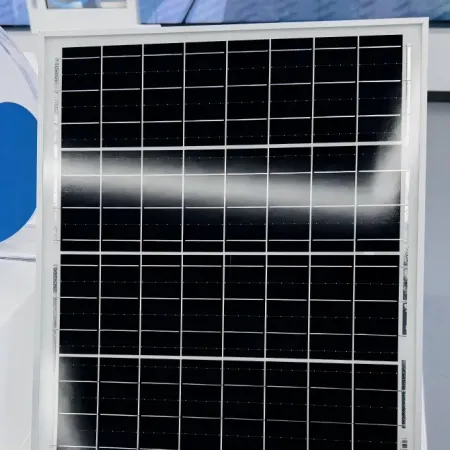
Solar modules are expected to generate electricity for 25 years or more, exposed to intense UV, daily temperature cycling, and humidity. The encapsulant film that protects the solar cells is critical to this longevity — and polyolefin elastomer has emerged as the material of choice for high-reliability photovoltaic applications.
We manufacture POE grades specifically developed for photovoltaic encapsulant film — PV7045 for high crosslink density applications and PV7200 for optimized processing. Here's what POE brings to solar module manufacturing.
Why POE for Solar Encapsulation
EVA (ethylene-vinyl acetate) has been the standard solar encapsulant for decades, but POE offers genuine advantages for demanding applications:
- Superior PID resistance: Potential Induced Degradation (PID) is a major failure mode in high-voltage solar systems. POE's non-polar structure provides inherently better PID resistance than EVA, which can release acetic acid under voltage stress.
- No acetic acid generation: EVA hydrolyzes over time, releasing acetic acid that corrodes cell metallization and degrades performance. POE's saturated hydrocarbon structure doesn't produce corrosive byproducts.
- Lower water vapor transmission: POE films typically show WVTR of 3–5 g/m²/day vs. 20–40 g/m²/day for EVA. Better moisture barrier means better cell protection.
- Higher volume resistivity: POE's electrical insulation properties reduce leakage currents that contribute to PID, especially in high-voltage systems.
Market trend: POE encapsulant adoption is growing fastest in high-efficiency modules (PERC, TOPCon, HJT), bifacial modules, and systems operating at 1500V DC — all situations where PID and long-term reliability are critical concerns.
Critical Properties for PV Encapsulant
Solar encapsulant films must deliver performance across multiple dimensions:
| Property | POE Performance | Why It Matters |
|---|---|---|
| Light transmittance | >91% at 380–1100 nm | Maximum photon transmission to cells |
| Crosslink density | 70–85% gel content | Structural stability, creep resistance |
| Adhesion to glass/cells | >60 N/cm peel strength | Prevents delamination, moisture ingress |
| Volume resistivity | >1×10¹⁵ Ω·cm | PID resistance, electrical isolation |
| UV stability | <5% yellowness after 1000h UV | Maintains optical performance over life |
Crosslinking: The Key to Long-Term Performance
POE encapsulant must be crosslinked to prevent creep and flow at operating temperatures. The crosslinking process is critical:
POE Crosslinking for Solar Modules
- Crosslinking chemistry: Silane grafting (moisture cure) or peroxide (thermal cure) are the two main approaches. Silane is more common for POE due to controlled cure kinetics.
- Gel content target: 70–85% insoluble fraction after extraction. Too low and the material creeps; too high and it becomes brittle.
- Lamination conditions: Typical conditions: 150°C, 100–150 mbar vacuum, 10–15 minutes for standard modules. Bifacial or large-format modules may need adjusted parameters.
- PV7045 vs. PV7200: PV7045 is formulated for maximum crosslink density and adhesion — ideal for demanding applications. PV7200 optimizes for faster processing and wider process windows.
Processing POE Encapsulant Film
POE encapsulant film production requires attention to several factors:
- Film extrusion: Cast film extrusion at 180–220°C. Melt temperature control is critical for optical clarity. Chill roll temperature of 30–50°C for proper quenching.
- Thickness control: Standard encapsulant thickness is 0.4–0.5 mm per layer. Thickness uniformity directly affects optical performance and lamination quality.
- Additives: UV absorbers (UVA) and hindered amine light stabilizers (HALS) at 0.3–0.5% each are standard. Antioxidants for processing stability. Silane coupling agents for adhesion.
- Storage: Crosslinkable POE film must be stored cool and dry to prevent premature crosslinking. Typical shelf life: 6–12 months at <25°C.
Lamination tip: POE requires slightly higher lamination temperatures than EVA — typically 150°C vs. 140–145°C. The vacuum phase is critical to remove air and ensure complete encapsulation before crosslinking begins.
Reliability Testing and Validation
POE encapsulant must pass rigorous testing to validate 25-year service life:
- Damp heat (IEC 61215): 1000 hours at 85°C/85% RH. Tests moisture resistance and adhesion stability. POE typically outperforms EVA due to lower moisture uptake.
- Thermal cycling (IEC 61215): 200 cycles from −40°C to +85°C. Tests mechanical stability and adhesion through expansion/contraction stresses.
- UV exposure (IEC 61215): 15 kWh/m² UV exposure. Tests optical stability and resistance to photodegradation.
- PID testing (IEC 62804): 96 hours at 60°C/85% RH with −1000V bias. POE typically shows minimal power degradation compared to EVA.
- Accelerated aging: Extended damp heat (3000+ hours) and thermal cycling to simulate long-term field exposure.
POE for Photovoltaic Encapsulation
Our PV7045 and PV7200 grades are engineered for high-reliability solar module encapsulation. Superior PID resistance, optical clarity, and 25+ year durability for next-generation PV modules.
Or contact our PV team for reliability data and lamination process support.