Butyl Rubber for Pharmaceutical Stopper: The Gold Standard in Container Closure Integrity
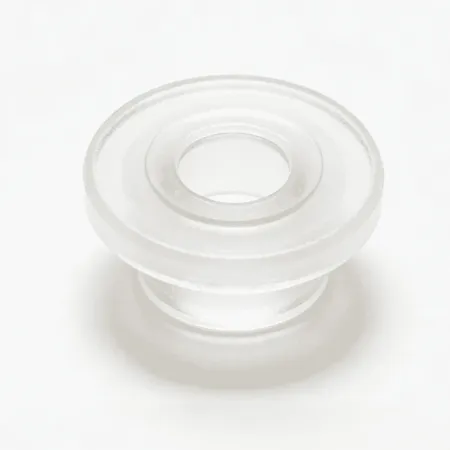
In the pharmaceutical industry, where patient safety and drug stability are paramount, butyl rubber for pharmaceutical stopper applications represents the most trusted material for maintaining container closure integrity. From life-saving vaccines to critical injectable medications, the rubber stopper that seals a vial or cartridge must perform flawlessly for the entire product shelf life—often spanning years—while withstanding sterilization, extreme temperatures, and repeated needle penetration. For pharmaceutical manufacturers, quality assurance professionals, and regulatory compliance specialists, understanding why butyl rubber for pharmaceutical stopper applications has become the industry standard is essential to ensuring product quality and patient safety.
At Chambroad (solutions.chambroad.com) , expertise in advanced polymer materials extends to high-purity butyl rubber formulations specifically engineered for pharmaceutical packaging applications. As a manufacturer serving the global pharmaceutical industry, Chambroad delivers butyl rubber for pharmaceutical stopper solutions that combine exceptional barrier properties, consistent processing characteristics, and rigorous quality control to meet the most demanding regulatory requirements.
Why Butyl Rubber for Pharmaceutical Stopper Applications Is Unmatched
The selection of butyl rubber for pharmaceutical stopper applications is driven by a unique combination of material properties that no other elastomer can match. These properties directly address the critical requirements of pharmaceutical packaging:
Exceptional Gas Impermeability
The molecular structure of butyl rubber—characterized by a saturated hydrocarbon backbone with densely packed methyl groups—creates an exceptionally effective barrier against gas permeation. For butyl rubber for pharmaceutical stopper applications, this means oxygen and moisture are prevented from entering the vial, protecting oxygen-sensitive drugs and maintaining stability. Carbon dioxide retention is ensured for lyophilized products that require inert headspace atmospheres. Sterility is maintained throughout the product shelf life by preventing microbial ingress.
Ultra-Low Extractables and Leachables Profile
Pharmaceutical-grade butyl rubber for pharmaceutical stopper formulations are engineered to minimize the release of chemical compounds into the drug product. High-quality formulations achieve extremely low levels of extractable substances that could interact with sensitive drug formulations. The leachables profile is carefully characterized to ensure compatibility with a wide range of pharmaceutical products. Regulatory compliance with USP <381>, USP <661>, and other pharmacopoeia standards is rigorously maintained.
Excellent Needle Penetration and Resealability
Butyl rubber for pharmaceutical stopper applications must withstand multiple needle punctures while maintaining an effective seal. The material’s elasticity enables clean needle penetration without coring—the removal of rubber particles that could contaminate the drug product. After needle withdrawal, the stopper reseals completely, preserving container closure integrity for future use. The consistent performance across repeated punctures ensures reliability in clinical and point-of-care settings.
Broad Temperature Stability
Pharmaceutical stoppers must perform reliably across extreme temperature ranges. Butyl rubber for pharmaceutical stopper formulations maintain flexibility and sealing effectiveness during lyophilization at cryogenic temperatures as low as -50°C. Autoclave sterilization at temperatures up to 121°C is withstood without degradation. Long-term storage at room temperature or refrigerated conditions preserves performance characteristics throughout the product lifecycle.
Chemical Compatibility
The pharmaceutical industry handles a vast array of drug formulations with diverse chemical properties. Butyl rubber for pharmaceutical stopper applications demonstrate compatibility with aqueous solutions, organic solvents, and oil-based formulations. Resistance to aggressive preservatives and stabilizers is maintained without material degradation. Minimal interaction with sensitive biologics and complex drug formulations is ensured through careful material selection.
Types of Butyl Rubber for Pharmaceutical Stopper Applications
Different pharmaceutical applications demand specific butyl rubber for pharmaceutical stopper formulations, each engineered to meet unique performance requirements.
Regular Butyl Rubber Stopper Formulations
Standard butyl rubber for pharmaceutical stopper applications utilize regular IIR formulations for general-purpose pharmaceutical packaging. These stoppers provide the fundamental barrier properties, flexibility, and resealability required for most injectable drugs. Regular butyl stoppers are suitable for aqueous formulations and many oil-based products where extractables requirements are moderate.
Chlorinated Butyl Rubber Stopper Formulations
Chlorinated butyl rubber for pharmaceutical stopper applications incorporate chlorine atoms into the polymer structure, enhancing cure rates and providing improved adhesion characteristics. CIIR stoppers offer superior cleanliness profiles and are widely used for sensitive drug formulations. The halogenated structure provides enhanced resistance to certain chemical interactions, making chlorinated butyl the preferred choice for many biologics and complex small molecule drugs.
Brominated Butyl Rubber Stopper Formulations
Brominated butyl rubber for pharmaceutical stopper formulations offer the highest reactivity among halogenated grades, enabling faster cure rates and superior compatibility with silicone coatings. BIIR stoppers provide the lowest extractables profiles and are often specified for the most sensitive drug products, including monoclonal antibodies, gene therapies, and other advanced biologics.
Coated and Laminated Stopper Formulations
Advanced butyl rubber for pharmaceutical stopper products incorporate surface coatings or laminates to enhance performance. Fluoropolymer films applied to the product-contact surface provide an inert barrier that minimizes drug-stopper interactions. Silicone coatings facilitate machine handling and reduce insertion forces. Proprietary barrier coatings further reduce extractables for the most demanding applications.
Manufacturing and Quality Control for Pharmaceutical Stoppers
The production of butyl rubber for pharmaceutical stopper components requires rigorous quality control at every stage to ensure consistent performance and regulatory compliance.
Raw Material Selection and Testing
Every batch of butyl rubber for pharmaceutical stopper begins with carefully selected raw materials. Polymer sources are qualified and continuously monitored for consistency. Compounding ingredients, including curatives, fillers, and processing aids, are selected for purity and compatibility. Incoming raw materials undergo comprehensive testing to verify specifications before release for production.
Compounding and Mixing
The compounding process for butyl rubber for pharmaceutical stopper formulations requires precise control to achieve homogeneous dispersion of all ingredients. Mixing parameters—including temperature, time, and shear—are monitored to ensure consistent compound properties. Sample testing confirms cure characteristics, physical properties, and cleanliness before proceeding to molding.
Injection Molding
Precision injection molding transforms the butyl rubber compound into finished stoppers. Multi-cavity molds with hundreds of cavities produce consistent parts with tight dimensional tolerances. Process parameters, including injection pressure, mold temperature, and cure time, are continuously monitored. Automated inspection systems verify dimensions and detect surface defects.
Post-Cure and Cleaning
After molding, butyl rubber for pharmaceutical stopper components undergo post-cure processing to complete the vulcanization reaction. Washing processes remove surface residues and particulates. Siliconization applies controlled lubricant coatings that facilitate machine processing. Final packaging in cleanroom environments protects stopper cleanliness until use.
Quality Control Testing
Comprehensive testing validates every production lot of butyl rubber for pharmaceutical stopper components. Physical property testing confirms hardness, tensile strength, and compression set. Dimensional inspection verifies critical features including flange diameter, plug length, and sealing surface geometry. Functional testing evaluates needle penetration, resealability, and removal forces. Cleanliness testing includes particulate counts and extractables analysis.
Regulatory Compliance for Pharmaceutical Stoppers
Butyl rubber for pharmaceutical stopper applications must comply with an extensive framework of regulatory requirements that ensure patient safety and product quality.
USP Standards
United States Pharmacopeia standards for butyl rubber for pharmaceutical stopper include USP <381> for elastomeric closures for injections, establishing requirements for physicochemical testing, biological reactivity, and functional performance. USP <661> addresses plastic packaging systems and their components, including extractables testing requirements. USP <788> specifies particulate matter limits for injectable products.
European Pharmacopoeia
The European Pharmacopoeia provides standards for butyl rubber for pharmaceutical stopper applications including monograph 3.2.9 for rubber closures for containers for aqueous parenteral preparations and for powders. Testing requirements include identification, extractable volume, and functional performance.
ISO Standards
International Organization for Standardization standards applicable to butyl rubber for pharmaceutical stopper products include ISO 8871 series for elastomeric parts for parenterals and medical devices, covering extractables, biological requirements, and functional testing.
FDA Requirements
U.S. Food and Drug Administration regulations for butyl rubber for pharmaceutical stopper components include 21 CFR Part 211 for current Good Manufacturing Practices. Drug Master Files provide manufacturers with documentation supporting regulatory submissions. Container closure integrity requirements under 21 CFR Part 211.94 mandate that closures provide adequate protection against contamination.
Frequently Asked Questions
Q: Why is butyl rubber the preferred material for pharmaceutical stoppers?
A: Butyl rubber for pharmaceutical stopper applications offers an unmatched combination of properties including exceptionally low gas permeability, ultra-low extractables, excellent needle penetration and resealability, broad temperature stability, and chemical compatibility with diverse drug formulations. No other elastomer provides the comprehensive performance required for critical pharmaceutical packaging.
Q: What is the difference between regular, chlorinated, and brominated butyl rubber for pharmaceutical stoppers?
A: Regular butyl rubber for pharmaceutical stopper formulations provide fundamental barrier properties for general applications. Chlorinated butyl rubber offers enhanced cure characteristics and cleanliness profiles, making it suitable for sensitive formulations. Brominated butyl rubber provides the lowest extractables profiles and is preferred for the most sensitive biologics and advanced therapies. The choice depends on the specific drug product requirements.
Q: How do extractables and leachables affect pharmaceutical stopper selection?
A: Extractables are chemical compounds that can be released from butyl rubber for pharmaceutical stopper materials under laboratory extraction conditions. Leachables are those compounds that actually migrate into the drug product under normal storage conditions. For sensitive drug formulations, particularly biologics, the extractables and leachables profile must be carefully characterized to ensure no adverse impact on product safety or efficacy.
Q: What testing is required for pharmaceutical stopper validation?
A: Validation of butyl rubber for pharmaceutical stopper components requires comprehensive testing including physical property testing (hardness, tensile strength, compression set), dimensional inspection, functional testing (needle penetration, resealability, removal forces), cleanliness testing (particulates, surface residues), and extractables analysis. Stability studies demonstrate consistent performance throughout the product shelf life.
Q: How does Chambroad ensure quality in butyl rubber for pharmaceutical stopper applications?
A: Chambroad applies rigorous quality control throughout the manufacturing process for butyl rubber for pharmaceutical stopper materials. From raw material qualification through finished product testing, each production lot is monitored to ensure consistent properties, cleanliness, and performance. Comprehensive documentation supports regulatory compliance and customer requirements.
Q: Can butyl rubber pharmaceutical stoppers be customized for specific applications?
A: Yes. Butyl rubber for pharmaceutical stopper formulations can be customized to meet specific application requirements, including specialized extractables profiles, tailored hardness and compression set characteristics, specific coating or barrier layer requirements, and custom geometries for unique container systems.
Conclusion
For the pharmaceutical industry, where product quality and patient safety are never compromised, butyl rubber for pharmaceutical stopper applications represent the gold standard in container closure integrity. The unique combination of gas impermeability, ultra-low extractables, excellent resealability, and broad chemical compatibility makes butyl rubber the preferred material for protecting life-saving medications from vial to patient.
Chambroad brings deep expertise in butyl rubber material science to the pharmaceutical packaging industry. With a commitment to quality, consistency, and regulatory compliance, Chambroad delivers butyl rubber for pharmaceutical stopper solutions that meet the most demanding requirements of global pharmaceutical manufacturers.
When the integrity of a pharmaceutical container closure determines the safety and efficacy of a drug product, the proven performance of butyl rubber provides the confidence that patients receive their medication exactly as intended.