Butyl Rubber for Industrial Sealing: Reliable Performance Across Demanding Applications
In industrial environments where equipment reliability, worker safety, and operational efficiency depend on effective sealing solutions, butyl rubber for industrial sealing has established itself as the material of choice for applications requiring exceptional chemical resistance, gas impermeability, and long-term durability. From chemical processing plants and manufacturing facilities to HVAC systems and automotive assemblies, butyl rubber for industrial sealing delivers the barrier performance and flexibility that critical sealing applications demand. For maintenance engineers, equipment designers, and procurement specialists selecting sealing materials for industrial operations, understanding the unique capabilities of butyl rubber is essential to ensuring reliable, long-lasting performance.
At Chambroad (solutions.chambroad.com) , expertise in advanced polymer materials extends to high-performance butyl rubber formulations specifically engineered for industrial sealing applications. As a manufacturer serving the chemical processing, automotive, construction, and industrial equipment sectors, Chambroad delivers butyl rubber for industrial sealing solutions that combine material science excellence with practical application engineering.
Why Butyl Rubber for Industrial Sealing Excels
The selection of butyl rubber for industrial sealing applications is driven by a unique combination of material properties that address the most demanding requirements of industrial environments.
Exceptional Gas Impermeability
The molecular structure of butyl rubber—characterized by a saturated hydrocarbon backbone with densely packed methyl groups—creates an exceptionally effective barrier against gas permeation. For butyl rubber for industrial sealing applications, this means air and gas containment is maintained in pneumatic systems and compressed air equipment. Vacuum integrity is preserved in industrial vacuum systems and packaging equipment. Inert atmospheres are protected in chemical storage vessels and processing equipment. Environmental isolation prevents contamination of sensitive processes.
Superior Chemical Resistance
Industrial environments expose sealing materials to a wide range of aggressive chemicals. Butyl rubber for industrial sealing demonstrates outstanding resistance to ketones including acetone and methyl ethyl ketone, esters such as ethyl acetate, strong acids including sulfuric, nitric, and hydrochloric acid, bases including sodium hydroxide and potassium hydroxide, and alcohols and polar solvents. This broad chemical compatibility enables reliable sealing across diverse industrial applications where alternative elastomers would rapidly degrade.
Excellent Weathering and Ozone Resistance
Outdoor industrial applications demand sealing materials that withstand environmental exposure. Butyl rubber for industrial sealing exhibits exceptional resistance to ultraviolet radiation, preventing surface degradation and cracking. Ozone resistance is outstanding, ensuring long-term performance near electrical equipment and in urban environments. Temperature extremes are accommodated across a wide range, with formulations maintaining flexibility from -20°C to 120°C. Long-term weathering performance ensures decades of reliable service in exposed applications.
High Damping Capacity
Industrial equipment generates vibrations that can compromise sealing integrity. Butyl rubber for industrial sealing possesses exceptional vibration-damping properties, dissipating mechanical energy before it can affect seal performance. Noise reduction is achieved through the same damping characteristics, contributing to quieter industrial environments. Structural vibration is isolated, protecting sensitive equipment and extending component life.
Permanent Flexibility
Unlike sealing materials that harden, crack, or lose elasticity over time, butyl rubber for industrial sealing maintains its flexible properties throughout its service life. This permanent flexibility accommodates thermal expansion and contraction, structural movement, and equipment vibration without losing sealing effectiveness. The non-curing nature of many butyl formulations ensures that the material remains pliable and adaptable to changing conditions.
Types of Butyl Rubber for Industrial Sealing Applications
Different industrial sealing applications demand specific butyl rubber for industrial sealing formulations, each engineered to meet unique performance requirements.
Sheet and Gasket Materials
For flange gaskets, tank covers, and equipment access points, butyl rubber for industrial sealing is supplied in sheet form with controlled thickness and surface finish. These materials are fabricated into custom gaskets for chemical processing equipment, providing reliable sealing against aggressive media. The flexibility of butyl sheet enables effective sealing on irregular surfaces and flanges with imperfect alignment.
Extruded Profiles and Weather Seals
For door seals, hatch gaskets, and access panel sealing, butyl rubber for industrial sealing is available in extruded profiles ranging from simple bulb seals to complex custom geometries. These profiles provide weather-tight sealing for industrial enclosures, equipment cabinets, and outdoor structures. The material’s weather resistance ensures long-term performance in exposed applications.
Self-Adhesive Tapes and Strips
For rapid installation and retrofit applications, butyl rubber for industrial sealing is available in self-adhesive tape form. These products provide immediate sealing for flanges, ducts, and equipment covers. The pressure-sensitive adhesive system delivers strong initial adhesion and long-term bonding, while the butyl rubber provides permanent flexibility and sealing effectiveness.
Molded Components
For complex geometries and high-volume applications, butyl rubber for industrial sealing is injection molded or compression molded into finished components. O-rings, custom seals, and diaphragms benefit from the precision and consistency of molded manufacturing. Complex geometries with undercuts and sealing lips are accommodated through advanced molding techniques.
Liquid and Paste Sealants
For field application and maintenance operations, butyl rubber for industrial sealing is available in liquid and paste formulations that cure or set to form flexible sealing barriers. These products are ideal for irregular surfaces, repair applications, and situations where preformed seals are impractical. Application by caulking gun or trowel enables versatility across diverse sealing requirements.
Key Industrial Applications for Butyl Rubber Sealing
Butyl rubber for industrial sealing serves critical functions across diverse industrial sectors:
Chemical Processing Equipment
In chemical plants, butyl rubber for industrial sealing provides gasketing for reactors, storage tanks, and piping systems handling aggressive chemicals. Manway covers and access ports rely on butyl seals to maintain containment during maintenance and sampling. Pump housings and valve assemblies utilize butyl components to prevent leaks of hazardous materials.
HVAC and Ductwork Systems
Heating, ventilation, and air conditioning systems depend on butyl rubber for industrial sealing to maintain energy efficiency. Ductwork connections are sealed to prevent air leakage that wastes energy. Access panels and equipment doors utilize weather seals that maintain system pressure. Vibration isolation mounts incorporate butyl to reduce noise transmission through building structures.
Industrial Enclosures and Cabinets
Electrical enclosures, control panels, and equipment housings require butyl rubber for industrial sealing to protect sensitive components from moisture, dust, and contaminants. Door seals and access cover gaskets maintain ingress protection ratings. Window seals on viewing ports prevent contamination while allowing visual monitoring. Cable entry seals maintain enclosure integrity where wiring passes through walls.
Automotive and Transportation Equipment
Heavy-duty vehicles, rail equipment, and marine vessels utilize butyl rubber for industrial sealing for door seals that withstand harsh operating environments. Window gaskets provide weather-tight barriers while accommodating frame movement. Vibration damping mounts isolate cab structures from chassis vibration. Underhood applications benefit from the material’s resistance to chemicals and temperature extremes.
Food Processing and Pharmaceutical Facilities
Sanitary environments demand butyl rubber for industrial sealing materials that meet strict cleanliness requirements. Equipment seals must resist cleaning agents and sanitizers used in washdown procedures. Gaskets for processing equipment maintain containment while preventing product contamination. Door seals in cleanrooms maintain pressure differentials and prevent ingress of particulates.
Energy and Power Generation
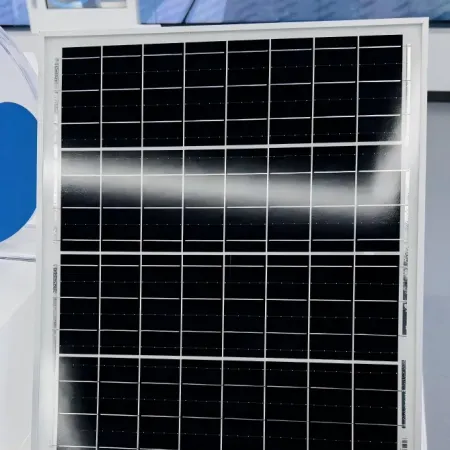
Power plants, renewable energy facilities, and utility infrastructure depend on butyl rubber for industrial sealing for transformer gaskets that maintain dielectric fluid containment. Solar panel frame seals prevent moisture ingress that could degrade electrical components. Wind turbine access hatch seals protect internal equipment from weather exposure. Cooling system gaskets withstand chemical treatment programs and temperature cycling.
Installation and Maintenance Considerations
Proper installation maximizes the performance of butyl rubber for industrial sealing in any application.
Surface Preparation
For optimal adhesion and sealing effectiveness, surfaces must be clean, dry, and free of oil, grease, and loose materials. Proper surface preparation ensures that butyl rubber for industrial sealing bonds effectively and maintains contact under service conditions.
Compression Settings
When using butyl rubber for industrial sealing in gasket applications, appropriate compression must be maintained. Insufficient compression results in inadequate sealing; excessive compression may cause material flow or extrusion. Manufacturer recommendations for compression set and torque specifications should be followed.
Joint Design
Proper joint design ensures that butyl rubber for industrial sealing can accommodate expected movement without stress concentration. Width-to-depth ratios should be appropriate for the anticipated expansion, contraction, and vibration in the application.
Inspection and Replacement
Regular inspection of butyl rubber for industrial sealing components identifies degradation before it compromises equipment operation. Signs of degradation include hardening, cracking, swelling, or permanent deformation. Preventive maintenance programs should include scheduled replacement based on manufacturer recommendations and service conditions.
Frequently Asked Questions
Q: What chemicals can butyl rubber for industrial sealing resist?
A: Butyl rubber for industrial sealing demonstrates outstanding resistance to a broad range of aggressive chemicals including ketones such as acetone and methyl ethyl ketone, esters including ethyl acetate, strong acids such as sulfuric, nitric, and hydrochloric acid, bases including sodium hydroxide and potassium hydroxide, and alcohols and polar solvents. For applications involving oils, fuels, or hydrocarbon solvents, alternative materials such as nitrile or fluoroelastomers may be more appropriate.
Q: How does butyl rubber for industrial sealing perform in outdoor applications?
A: Butyl rubber for industrial sealing exhibits exceptional resistance to weathering, including ultraviolet radiation, ozone, and temperature extremes. High-quality formulations maintain their flexibility and sealing effectiveness for decades in exposed applications, making butyl rubber the preferred choice for outdoor industrial sealing requirements.
Q: What temperature range can butyl rubber for industrial sealing withstand?
A: Standard butyl rubber for industrial sealing formulations maintain effective performance from approximately -20°C to 120°C (-4°F to 248°F). Specialized formulations are available for applications requiring low-temperature flexibility or elevated-temperature stability, extending the usable range for specific requirements.
Q: Is butyl rubber for industrial sealing suitable for food processing applications?
A: Yes. Butyl rubber for industrial sealing formulations that comply with FDA 21 CFR 177.2600 are available for food processing applications. These materials meet requirements for repeated contact with food products and can withstand the cleaning and sanitization protocols common in food processing facilities.
Q: How does butyl rubber for industrial sealing compare to EPDM?
A: Both materials offer excellent weathering resistance, but butyl rubber for industrial sealing provides superior gas impermeability and chemical resistance to polar solvents and acids. EPDM generally offers better high-temperature performance and resistance to some automotive fluids. The choice depends on the specific chemical exposure and service conditions in the application.
Q: Does Chambroad offer custom butyl rubber for industrial sealing solutions?
A: Yes. Chambroad works with clients to develop butyl rubber for industrial sealing solutions tailored to specific application requirements, including custom compound formulations for unique chemical exposures, engineered geometries for specialized sealing requirements, and integrated solutions combining material expertise with application support.
Conclusion
For industrial operations where equipment reliability, worker safety, and operational efficiency depend on effective sealing, butyl rubber for industrial sealing delivers the performance that demanding applications require. The unique combination of gas impermeability, chemical resistance, weathering durability, and permanent flexibility makes butyl rubber the preferred choice for sealing solutions across chemical processing, HVAC, automotive, and energy industries.
Chambroad combines deep expertise in butyl rubber material science with manufacturing excellence to deliver butyl rubber for industrial sealing solutions that meet the rigorous demands of industrial applications. With a commitment to quality, consistency, and application support, Chambroad serves as a trusted partner for organizations where sealing integrity is critical to operations.
When industrial equipment must perform reliably in demanding environments, the proven performance of butyl rubber for industrial sealing provides the confidence that seals will hold—year after year, across the most challenging conditions.