Superior Industrial Durability Through IIR Rubber Chemical Resistance
In demanding industrial and medical environments, the integrity of sealing systems depends entirely on material stability. Chambroad provides advanced halogenated butyl rubber solutions designed to exceed global standards for longevity and safety.
The Challenge of Material Integrity in Harsh Environments
Engineers and procurement specialists in the pharmaceutical and automotive sectors frequently encounter the same critical bottleneck: accelerated material degradation. Traditional elastomers often fail when exposed to aggressive solvents, fluctuating temperatures, or prolonged sterilization cycles. This failure leads to costly downtime, potential contamination, and compromised product safety.
The central question for modern manufacturing is no longer just about basic elasticity, but rather about long-term stability. How can a material maintain its physical properties while being bombarded by corrosive agents? The answer lies in the specific molecular architecture of Isobutylene-Isoprene Rubber, particularly when optimized for iir rubber chemical resistance.
This guide provides a comprehensive analysis of how Chambroad utilizes innovative polymerization techniques to deliver rubber materials that act as an impenetrable barrier against chemical intrusion, ensuring that your critical systems remain operational under the most grueling conditions.
The Science Behind IIR Rubber Chemical Resistance
Molecular Slicing and Saturation
The primary reason for the exceptional iir rubber chemical resistance is its nearly saturated hydrocarbon backbone. Unlike natural rubber or typical SBR, which contain high levels of unsaturation (double bonds), IIR rubber is composed of approximately 98% isobutylene. These double bonds in other rubbers are the "weak links" where oxygen, ozone, and aggressive chemicals attack.
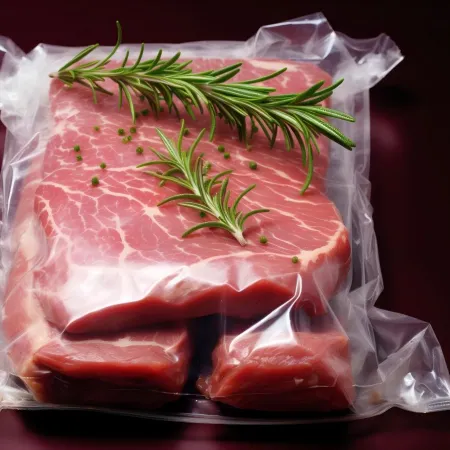
By minimizing these vulnerable points, Chambroad products like Chlorinated Butyl Rubber CIIR1338 exhibit a unique ability to repel polar solvents, acids, and bases. This molecular density not only prevents chemical breakdown but also results in extremely low gas permeability, a feature vital for tire inner liners and vacuum-sealed medical packaging.
Advancing Performance Through Halogenation
While standard IIR offers good resistance, the introduction of halogen atoms (Chlorine or Bromine) significantly elevates the material's utility. Halogenated IIR provides faster cure rates and improved adhesion to other rubbers, which is essential for multi-layered industrial components.
Chlorobutyl Rubber (CIIR)
CIIR variants offer a balance of heat resistance and mechanical toughness. They are particularly effective in conveyor belts and steam hoses where constant thermal stress is coupled with chemical exposure, maintaining the iir rubber chemical resistance profile over long lifecycles.
Sustainable Innovation
Chambroad Sinopoly has pioneered the use of ISCC PLUS certified circular materials. By converting waste tire pyrolysis oil back into high-grade isobutylene, we create a "tire-to-tire" green cycle without sacrificing technical performance.
Comparative Material Analysis
| Feature | Standard IIR | Chambroad Halogenated IIR | Natural Rubber (NR) |
|---|---|---|---|
| Chemical Stability | High | Exceptional | Low |
| Gas Permeability | Very Low | Lowest | High |
| Cure Rate | Slow | Fast/Optimized | Fast |
| Medical Safety | Moderate | FDA/RoHS Compliant | Poor (Allergens) |
Critical Application Scenarios
Medical Rubber Stoppers
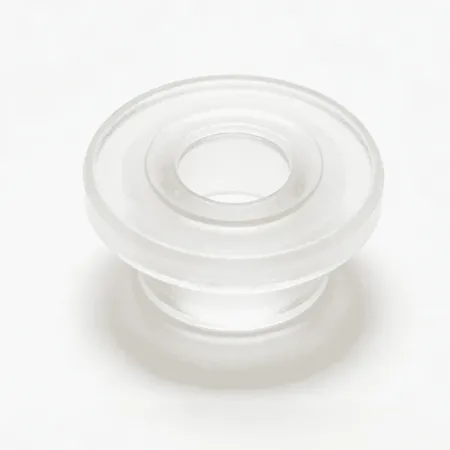
The pharmaceutical industry relies on medical rubber stoppers derived from BIIR and CIIR. These components provide a hermetic seal that prevents the absorption or penetration of drugs. The inherent iir rubber chemical resistance ensures that the stopper does not react with the medicine, maintaining purity and shelf-life for vaccines and parenteral drugs.
Industrial Container Linings
For storage tanks handling corrosive chemicals or acidic solutions, IIR provides a durable barrier. The material resists swelling and degradation, which are common issues in lining systems. This leads to a reduction in maintenance frequency and protects the structural integrity of the metal tanks.
Automotive Inner Liners
In tire manufacturing, air retention is everything. Halogenated IIR creates an internal layer that is virtually airtight. This stability under pressure and heat ensures better fuel efficiency and safety for vehicles, proving that iir rubber chemical resistance extends to resisting oxidation and thermal breakdown.
Food Grade Applications
Chambroad provides food-grade butyl rubber for gum bases and packaging. High cleanliness and low odor make it a superior choice compared to other synthetic rubbers, meeting stringent global food safety standards.
Why Global Leaders Choose Chambroad Sinopoly
With over a decade of specialization in polyolefin and elastomer technologies, Chambroad has established a reputation for "Technical Reliability." Our manufacturing utilizes a low-temperature solution polymerization "One-Step" method, ensuring molecular weight distribution is precisely controlled. This process is the foundation of the consistent iir rubber chemical resistance found in every batch of our product.
- Certifications: All products are compliant with RoHS, REACH, and FDA standards.
- R&D Platform: We offer a macro-micro application platform for tailored material structural analysis.
- Global Supply Chain: Our logistics network ensures rapid delivery across ASEAN and international markets.
Frequently Asked Questions
How does the iir rubber chemical resistance compare to EPDM?
While EPDM has excellent weather and ozone resistance, IIR and Halogenated IIR are superior in terms of gas impermeability and resistance to specific mineral acids and polar solvents. IIR is the preferred choice for vacuum seals and medical packaging where barrier properties are paramount.
Can I get customized grades for specific medical stoppers?
Yes. Chambroad provides specialized technical support to match POE and IIR indicators to your specific application needs, including pilot-scale and industrial-scale development of high-performance compounds.
What is the shelf life of halogenated IIR products?
Under proper storage conditions (cool, dry, and away from direct sunlight), Chambroad halogenated rubber maintains its chemical properties for a minimum of two years. The high saturation level prevents early aging.
Ready to Enhance Your Material Reliability?
Contact our technical experts today for a consultation or to request a sample of our high-performance rubber solutions.
Copyright © 2026 Chambroad Sinopoly Solutions. All rights reserved.
Empowering industrial innovation through advanced material science.