Advancing Industrial Durability with IIR Rubber Heat Resistant Solutions from Chambroad
Discover how halogenated butyl rubber technologies and high-performance polyolefins are redefining the boundaries of material science in extreme environments.
The Critical Role of High-Performance Elastomers in Modern Industry
In the rapidly evolving landscape of automotive manufacturing, medical healthcare, and energy storage, the demand for materials that can withstand thermal stress is at an all-time high. Engineering teams frequently face the challenge of sealing failure, gas permeation, and structural degradation when components are exposed to elevated temperatures. Finding a reliable iir rubber heat resistant solution is no longer just an advantage; it is a necessity for operational safety and longevity.
At Chambroad, we understand that industrial environments are unforgiving. Whether it is a tire inner liner maintaining pressure at high speeds or a medical stopper ensuring the integrity of life-saving medicine, the material must remain stable. This article serves as a comprehensive guide to understanding the technical superiority of halogenated Isobutylene Isoprene Rubber and how it integrates into a broader ecosystem of advanced materials provided by Chambroad.
Understanding the Chemistry of IIR Rubber Heat Resistant Materials
Butyl rubber (IIR) is a synthetic elastomer produced by the copolymerization of isobutylene with a small amount of isoprene. While standard IIR offers excellent impermeability, the addition of halogen atoms such as Bromine or Chlorine creates Bromobutyl (BIIR) and Chlorobutyl (CIIR). These modifications significantly enhance the iir rubber heat resistant capabilities and curing versatility of the material.
The primary reason an iir rubber heat resistant compound is favored in high-stakes applications is its saturated molecular backbone. This structure provides a natural resistance to oxidative aging, ozone, and heat. Unlike natural rubber, which degrades rapidly under thermal stress, Chambroad halogenated butyl rubber maintains its physical properties, ensuring that seals and barriers remain airtight even after prolonged exposure to heat cycles.
Key Benefits of Chambroad Halogenated IIR
- Superior air and moisture impermeability compared to conventional elastomers.
- Enhanced curing rates and better adhesion to other rubbers like NR or SBR.
- High thermal stability, making it the ideal iir rubber heat resistant choice for steam sterilization in medical use.
Chambroad Comprehensive Elastomer and Polyolefin Solutions
Our commitment to material science extends across multiple industries. By leveraging our Sinopoly innovation platform, we provide specific grades of rubber and plastic that meet the most stringent international standards.
Bromobutyl Rubber BIIR2332
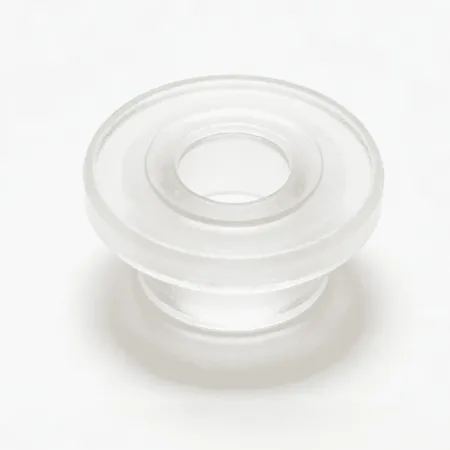
A cornerstone of the pharmaceutical packaging industry, Bromobutyl Rubber BIIR2332 offers exceptional purity and consistent vulcanization characteristics. It is widely utilized for manufacturing high-quality medical rubber stoppers due to its low extractables and excellent seal integrity.
Chlorinated Butyl Rubber CIIR1338
Chlorinated Butyl Rubber CIIR1338 provides the necessary mechanical strength and iir rubber heat resistant profile required for heavy-duty industrial hoses and tire inner liners. Its resistance to chemicals and heat makes it a preferred choice for harsh manufacturing environments.
Beyond Butyl: POE for Automotive Modification
In the quest for lightweighting and impact resistance, our Polyolefin Elastomer (POE) G6012 and G6045 series have become industry benchmarks. These materials are essential for automotive interior and exterior parts, offering high impact strength even at low temperatures, alongside excellent processing stability.
Strategic Applications of Heat Resistant Materials
The application of an iir rubber heat resistant compound extends far beyond traditional rubber goods. Chambroad research and development team has integrated these thermal management philosophies into our wide product range.
Medical and Healthcare Precision
Medical stoppers made from BIIR 2828 must withstand high-pressure steam sterilization without losing their physical form or allowing contamination. Our BIIR 2828 is engineered to prevent the absorption and leaching of drugs, securing the healthcare supply chain from the production line to the patient.
High-Performance Polypropylene for Packaging
For food and consumer goods, heat resistance takes a different form. Our Transparent Polypropylene B800E is designed for hot-filling applications. It ensures that beverage bottles and takeaway boxes do not release harmful substances when in contact with high-temperature liquids or food, providing safety and peace of mind for the end consumer.
Advanced Filtration and Separation
In industrial filtration, the KNE-PBTP200 composite filter material offers stability up to 190 degrees Celsius. This breakthrough allows for efficient filtration in diesel engines and industrial chemical processing where conventional materials would melt or lose structural integrity.
Building a Sustainable Future with Bio-Based Materials
Sustainability is at the heart of Chambroad innovation strategy. We are not only focusing on the iir rubber heat resistant properties for longevity but also on the full lifecycle of the material. Our ISCC PLUS certified Butyl Rubber programs utilize recycled pyrolysis oil from waste tires to create new, high-performance rubber products, closing the loop on the circular economy.
Furthermore, our development in biomass-modified wood provides eco-friendly alternatives for construction and marine industries. These materials offer the aesthetic beauty of real wood with the added benefits of flame retardancy, moisture resistance, and anti-corrosion properties, outperforming traditional timber in demanding outdoor environments.
The Chambroad Advantage: Why Global Leaders Choose Us
- Integrated Supply Chain: From raw isobutylene production to halogenation and specialized compound formulation, we maintain 100% control over quality.
- Cutting-Edge R&D: Our micro-macro application platform allows us to analyze material structures at the nanoscale, leading to innovations like Para-aramid paper for aerospace and electrical insulation.
- Global Logistics and Support: With a focus on "extreme delivery speed" and localized technical service, we ensure your production line never stops.
- Rigorous Testing: Every batch of our iir rubber heat resistant products undergoes extensive physical and chemical testing to ensure compliance with FDA, RoHS, and REACH standards.
Frequently Asked Questions
How does halogenated IIR compare to standard IIR in heat resistance?
While standard IIR is naturally resistant to oxidation, halogenated versions like BIIR and CIIR allow for more stable cross-linking during vulcanization. This creates a denser molecular network that enhances the iir rubber heat resistant profile, allowing the rubber to maintain its elastic modulus at higher temperatures for longer durations.
Are Chambroad medical-grade rubbers compatible with various sterilization methods?
Yes, our Bromobutyl and Chlorobutyl grades are specifically designed to withstand autoclaving (steam sterilization), gamma radiation, and ethylene oxide (EtO) sterilization without significant degradation in physical properties or seal integrity.
Can I request samples for pilot production testing?
Absolutely. We encourage professional customers to test our materials in their specific application environments. Contact our technical team to discuss your requirements and we will provide the appropriate grades for your evaluation.
Ready to Optimize Your Material Performance?
Partner with Chambroad to access the latest innovations in iir rubber heat resistant technologies and advanced polyolefin solutions.
© 2026 Chambroad High-Performance Materials Solutions. All Rights Reserved.