Polyolefin Elastomer Price Per Ton: Procurement Strategies
Understanding POE pricing per metric ton — volume discounts, contract structures, and total cost optimization
When you're buying polyolefin elastomer in bulk, the price per metric ton is the key metric for cost management. But the quoted price is just the starting point — volume discounts, contract terms, freight costs, and payment conditions all affect the actual cost landed at your facility. Understanding these factors helps you negotiate better and manage your material budget effectively.
We supply POE products to compounders and manufacturers across Asia and Europe. Here's a practical guide to POE pricing per ton and how to optimize your procurement.
Understanding the Base Price
POE prices per ton vary by grade, region, and market conditions. As of 2024–2025, indicative pricing ranges are:
| Grade Category | Indicative Range (USD/tonne) | Typical Applications |
|---|---|---|
| General purpose impact modification | 1,800–2,400 | Automotive TPO, appliance, general compounding |
| High-clarity film grades | 2,000–2,600 | Food packaging, medical film, coextrusion |
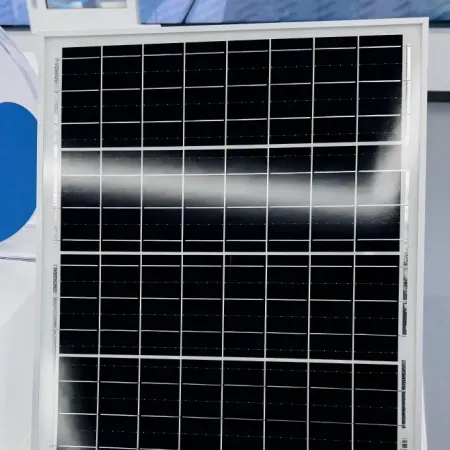
| Photovoltaic encapsulant | 2,200–2,800 | Solar module encapsulation, crosslinkable grades |
| Medical/food contact certified | 2,400–3,200 | Medical packaging, pharmaceutical, food contact |
| Specialty/OEM custom | 2,500–4,000+ | Custom formulations, exclusive grades |
Important: These are indicative ranges for budgeting purposes only. Actual prices depend on specific grades, volumes, contract terms, and current market conditions. Contact suppliers for current quotations.
Volume Discount Structures
Higher volumes typically command lower per-ton prices. Typical volume tiers:
Typical Volume Pricing Tiers
- Spot/ trial quantities (<5 tonnes): List price or small-lot premium. Limited negotiation leverage.
- Development volumes (5–20 tonnes/year): Modest discount from list. Suitable for product development and market entry.
- Commercial volumes (20–100 tonnes/year): Standard commercial pricing with meaningful discounts. Most common tier for established applications.
- Bulk volumes (100–500 tonnes/year): Significant discounts, often 10–20% below commercial tier. May include dedicated inventory or consignment arrangements.
- Strategic accounts (500+ tonnes/year): Maximum discounts, custom pricing formulas, and strategic partnership terms including technical support and development collaboration.
Contract Structures and Pricing Mechanisms
How you structure your purchase agreement affects both price and risk:
- Fixed price: Agreed price for contract duration. Provides budget certainty but may result in overpayment if market prices fall, or supply risk if prices rise significantly.
- Formula pricing: Price tied to published ethylene or polyolefin indices (e.g., ICIS, Platts) plus fixed margin. Shares feedstock risk between buyer and seller.
- Collar pricing: Formula with floor and ceiling prices. Limits extreme price movements while maintaining market linkage.
- Take-or-pay: Volume commitment with penalties for under-lift. Secures supply and typically commands best pricing, but creates volume risk for buyer.
Total Landed Cost Considerations
The price per ton on the invoice isn't your total cost. Factor in:
- Freight and logistics: FOB price vs. CIF or DAP. Container freight, inland transport, and handling can add $50–200/tonne depending on distance.
- Import duties and taxes: Vary by country and trade agreements. Some markets have anti-dumping duties on certain POE origins.
- Financing costs: Payment terms affect working capital. 30-day vs. 60-day payment terms have real cost implications.
- Quality costs: Inconsistent quality creates hidden costs in scrap, rework, and customer complaints. Price per ton should factor in quality consistency.
- Inventory carrying cost: Large volume purchases may get better per-ton pricing but increase inventory holding costs.
Total cost example: A POE grade quoted at $2,000/tonne FOB might have total landed cost of $2,200–2,400/tonne after freight, duties, and financing. Always calculate total cost when comparing supplier offers.
Negotiating Better Pricing
Practical strategies for improving your POE pricing:
- Consolidate volumes: Single larger commitments typically get better pricing than multiple small orders. Consider consolidating grades if specifications allow.
- Offer forecast visibility: Suppliers value predictable demand. Sharing rolling forecasts can unlock better pricing than spot purchasing.
- Consider contract duration: Multi-year agreements often command better pricing than annual contracts, especially in volatile markets.
- Evaluate total relationship value: Technical support, development collaboration, and supply reliability have value. Factor these into supplier selection, not just price per ton.
Competitive POE Pricing Per Ton
We offer competitive per-tonne pricing on Betopp-G and PV-series POE grades, with volume discounts and flexible contract structures. Transparent pricing and reliable supply for customers across Asia and Europe.
Or contact our sales team to discuss volume pricing and contract options.