High-Performance IIR Rubber for Industrial Sealing Solutions
In the modern industrial landscape, the integrity of sealing systems is the thin line between operational excellence and catastrophic failure. Whether in high-pressure automotive systems, delicate pharmaceutical packaging, or heavy-duty chemical processing, the choice of material determines the longevity and safety of the entire infrastructure. This is where iir rubber for industrial sealing emerges as the definitive solution. At Chambroad, we recognize that industrial sealing is not merely about blocking a leak; it is about creating a permanent barrier against gas permeation, thermal degradation, and chemical erosion.
The challenge for engineers today is multifaceted. Systems are operating at higher temperatures, facing more aggressive chemical environments, and are subject to stricter environmental regulations than ever before. Traditional elastomers often fail under these compounded stresses. This article serves as a comprehensive professional guide to understanding how Isobutylene Isoprene Rubber (IIR) and its halogenated derivatives provide the necessary resilience to meet these challenges head-on, ensuring that your industrial sealing systems remain robust over their entire lifecycle.
Understanding the Fundamentals of IIR Rubber
Isobutylene Isoprene Rubber, commonly known as butyl rubber, is a synthetic elastomer produced by the copolymerization of isobutylene with a small amount of isoprene. This unique molecular configuration results in a polymer chain that is almost entirely saturated, which is the secret behind its extraordinary properties. The high degree of saturation provides exceptional resistance to oxidation, ozone, and weathering, making iir rubber for industrial sealing far superior to natural rubber or other unsaturated elastomers in outdoor and high-heat applications.
One of the most defining characteristics of IIR is its low gas permeability. The tightly packed molecular structure creates a labyrinthine path that gas molecules find nearly impossible to penetrate. This makes it the material of choice for applications requiring high vacuum retention or the containment of high-pressure gases. When integrated into industrial sealing systems, IIR ensures that leak rates are kept to an absolute minimum, thereby enhancing the efficiency and safety of the equipment.
The Evolution of Halogenated Butyl Rubber
While standard IIR is exceptional, certain industrial processes require faster curing rates and better compatibility with other rubbers like NR or SBR. This led to the development of halogenated butyl rubber, specifically Bromobutyl (BIIR) and Chlorobutyl (CIIR). These materials maintain the core benefits of IIR while offering enhanced reactivity and adhesion.
Bromobutyl Rubber (BIIR)
Bromobutyl rubber, such as our BIIR 2332 and BIIR 2828, provides higher curing activity and superior heat resistance. It is widely used in the medical industry and for the inner liners of high-performance tires.
Chlorobutyl Rubber (CIIR)
Chlorobutyl rubber, exemplified by CIIR 1338, offers excellent thermal stability and lower compression set, making it ideal for pharmaceutical stoppers and vibration dampening components in heavy machinery.
Technical Superiority in Industrial Environments
When selecting iir rubber for industrial sealing, engineers are primarily looking for three pillars of performance: impermeability, chemical stability, and thermal resilience.
- Unrivaled Gas Barrier: IIR's gas permeability is approximately 8-10 times lower than that of natural rubber. This is critical for industrial air springs, inner tubes, and vacuum seals.
- Chemical Resistance: IIR shows remarkable resistance to inorganic acids, alkalis, and oxidative fluids. It remains stable where other rubbers swell or degrade.
- Shock Absorption: The unique damping properties of IIR make it an excellent choice for sealing systems that are also subject to mechanical vibration, protecting the integrity of the seal from fatigue.
Critical Applications: From Tires to Healthcare
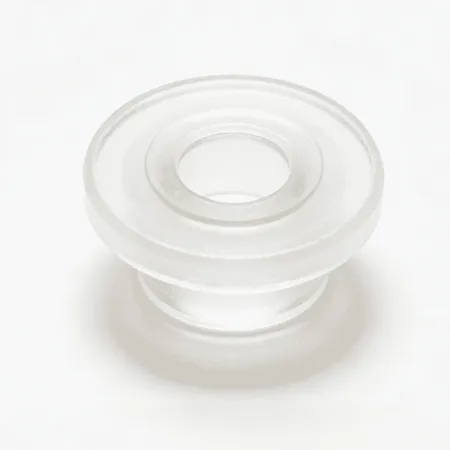
The versatility of iir rubber for industrial sealing extends into the most demanding regulated sectors. In the pharmaceutical industry, safety is paramount. Our medical rubber stoppers manufactured from high-purity halogenated butyl rubber provide a secure seal for injectable drugs, preventing contamination and ensuring drug stability by blocking moisture and air.
In the automotive sector, IIR is the backbone of the "Tire-to-Tire" circular economy. Beyond inner liners, it is used for gaskets and seals in fuel systems where its low permeability prevents fuel vapor emissions, helping manufacturers meet stringent environmental standards. Chambroad’s innovation in rubber reimagined processes ensures that these materials are not only high-performing but also increasingly sustainable.
Sustainability and the Circular Economy
At Chambroad, we are committed to the future of the planet. Our ISCC PLUS certified butyl rubber utilizes pyrolysis oil from waste tires as a raw material for isobutylene production. This "tire-to-tire" model creates a green loop, allowing our customers to produce sustainable materials with over 80% recycled content without sacrificing the performance of their iir rubber for industrial sealing.
By choosing our sustainable IIR solutions, companies can significantly reduce their carbon footprint while maintaining the high technical standards required for industrial and medical sealing applications. This commitment to green development is what sets Chambroad apart as a leader in advanced material science.
Frequently Asked Questions
Why is IIR preferred over EPDM for gas sealing?
While EPDM has excellent weather resistance, its gas permeability is significantly higher than IIR. For applications where air or gas retention is the primary goal, IIR is the undisputed leader.
How does halogenation improve the performance of IIR?
Halogenation (adding Bromine or Chlorine) increases the cure rate and allows the butyl rubber to be co-vulcanized with other elastomers, providing greater design flexibility for complex sealing systems.
Is Chambroad IIR rubber compliant with international standards?
Yes, our products meet RoHS, REACH, and FDA standards, particularly our medical-grade materials, ensuring safety and compliance across global markets.
Conclusion: Engineering the Future of Sealing
The selection of iir rubber for industrial sealing is a strategic decision that impacts the reliability and efficiency of industrial operations. From its unique molecular structure to its role in the circular economy, IIR remains an irreplaceable component in the material engineer's toolkit. At Chambroad, we combine technical expertise with sustainable practices to deliver elastomer solutions that meet the most rigorous demands of the 21st century.
Whether you are developing next-generation electric vehicle components or advanced medical delivery systems, our team is ready to provide the high-performance materials you need to succeed.
Ready to Optimize Your Sealing Systems?
Contact our technical specialists today for a consultation or to request a free sample of our high-purity IIR rubber solutions.
Copyright 2026 Chambroad Advanced Materials Solutions. All rights reserved.