



.png?imageMogr2/crop/220x71/gravity/center/format/webp)

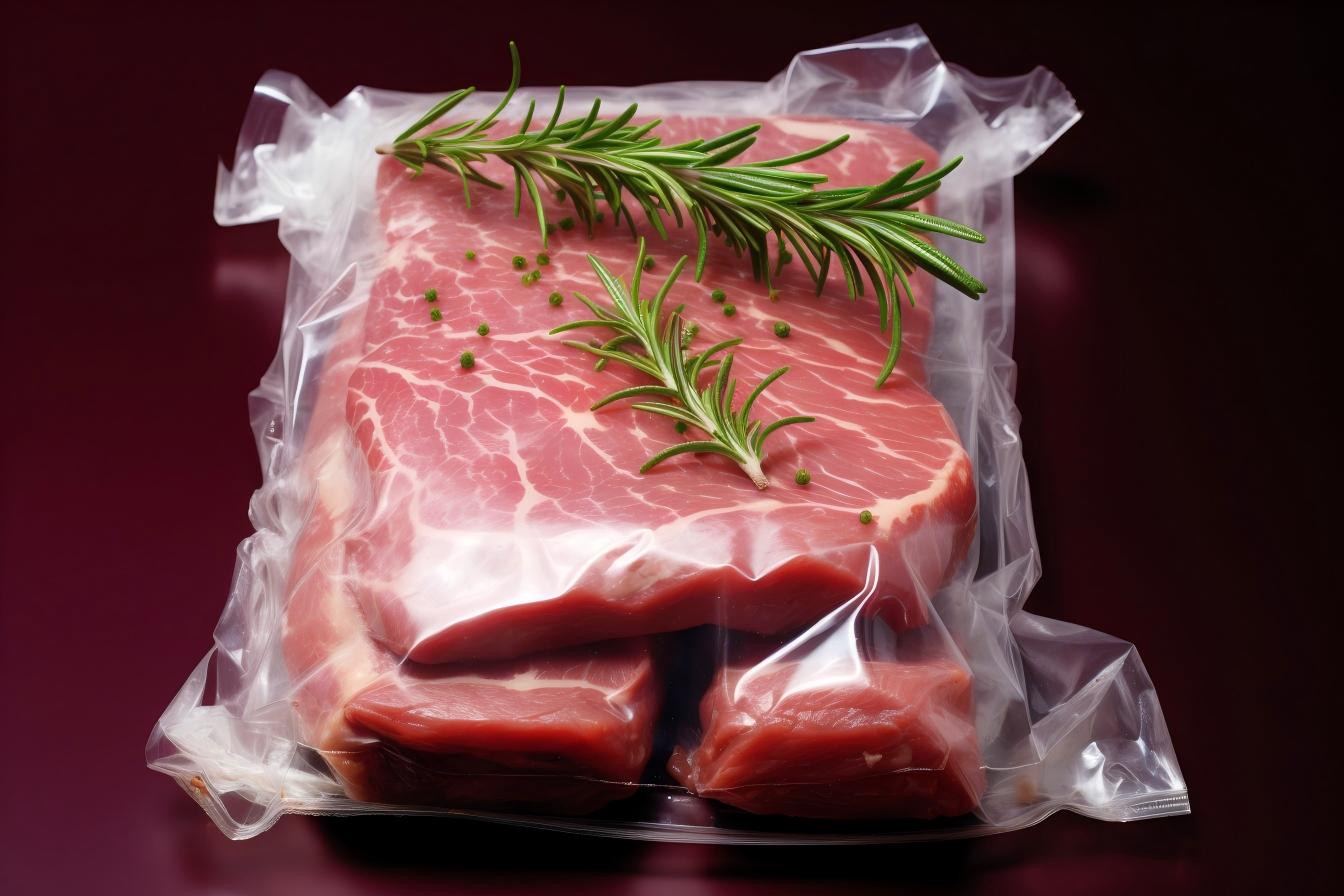
In modern product design, engineers are no longer choosing materials based on a single property. They need solutions that balance impact resistance, clarity, processability, chemical stability, and cost efficiency.
Balancing Multiple Performance Requirements
Polypropylene Copolymer (PP Copolymer) has become a preferred material because it solves these multi-performance challenges. Compared with traditional polypropylene homopolymers, copolymers offer improved toughness, better optical performance, and more stable processing behavior, making them widely used in packaging, automotive, healthcare, and consumer products.
What Is Polypropylene Copolymer?
Polypropylene Copolymer is produced by polymerizing propylene with small amounts of other monomers, typically ethylene. This modification changes the internal crystalline structure of the material, improving flexibility and impact resistance.
Random Copolymer (PP-R)
- Better transparency and optical clarity
- Lower stiffness but improved flexibility
- Ideal for packaging, containers, and medical applications
Impact Copolymer (PPB)
- Higher impact strength, especially at low temperatures
- Slightly lower transparency
- Commonly used in automotive parts, appliances, and industrial products
PP Copolymer vs Homopolymer: Key Differences
When selecting polypropylene materials, one of the most common questions is whether to use a homopolymer or a copolymer. For applications requiring durability and performance under stress, PP Copolymer is generally the better choice.
| Property | PP Homopolymer | PP Copolymer |
|---|---|---|
| Impact Resistance | Low | High |
| Transparency | Moderate | High (Random Copolymer) |
| Stiffness | High | Balanced |
| Low-Temperature Performance | Poor | Excellent |
| Processing Stability | Standard | More stable |
Key Properties of Polypropylene Copolymer
1. High Impact Resistance
Impact copolymers incorporate a rubber phase that absorbs energy, making them suitable for products exposed to mechanical stress or low temperatures.
Example Grades: LA640T, EP640V (automotive applications)
2. Excellent Clarity and Surface Finish
Random copolymers reduce crystallinity, resulting in improved transparency and better surface aesthetics.
Example Grades: M800E, RP340R (household containers, food packaging)
3. Superior Processability
PP Copolymers offer a wider processing window and better melt flow behavior, making them ideal for injection molding, blow molding, and thin-wall packaging.
Example Grades: MT40, MT50, MT60 (high-flow, thin-wall packaging)
4. Chemical Resistance and Safety
PP Copolymers resist a wide range of chemicals, making them suitable for food-contact applications, medical devices, and industrial containers.
Example Grade: RP348P (medical-grade, meets biocompatibility standards)
5. Dimensional Stability and Precision
For high-speed manufacturing, consistent shrinkage and low warpage are critical. PP Copolymers ensure reliable sealing and dimensional accuracy.
Example Grade: RP242G (optimized for precision bottle caps)
Typical Applications of PP Copolymer
Packaging Industry
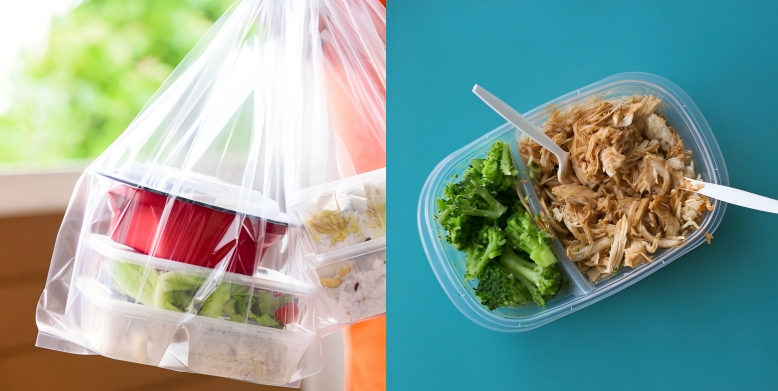
Food containers, caps and closures, thin-wall packaging. PP Copolymers provide a balance of clarity, safety, and production efficiency.
Automotive Industry
Interior trims, exterior components, lightweight structural parts. Impact copolymers help reduce vehicle weight while maintaining durability.
Household Appliances
Washing machine components, vacuum housings, storage products. Materials such as SP179 support complex part designs.
Medical and Healthcare
Syringes, laboratory containers, medical packaging. These applications require high purity, chemical resistance, and regulatory compliance.
Processing Advantages in Manufacturing
Compared with homopolymers, PP Copolymers provide:
- Lower processing temperatures
- Reduced internal stress
- Improved mold filling for complex geometries
For manufacturers, this translates to:
- Faster cycle times
- Lower defect rates
- Higher production efficiency
How to Choose the Right PP Copolymer Grade
Selecting the right material depends on your application requirements:
- Need transparency? → Choose Random Copolymer
- Need impact resistance? → Choose Impact Copolymer
- High-speed production? → Select high MFR grades
- Food or medical use? → Ensure compliance-certified materials
Working with a material supplier can help match the correct grade to your processing conditions and product design.
Frequently Asked Questions
Is polypropylene copolymer food safe?
Yes, many PP Copolymer grades are designed for food contact and comply with FDA and EU regulations.
Can PP Copolymer replace ABS?
In many applications, yes. It offers lower density, better chemical resistance, and competitive impact performance at a lower cost.
What is the difference between random and impact copolymer?
Random copolymers focus on clarity and flexibility, while impact copolymers are engineered for toughness and durability.
Conclusion
Polypropylene Copolymer provides a practical solution to one of the biggest challenges in material engineering: balancing multiple performance requirements in a single material.
From packaging to automotive and medical applications, it enables manufacturers to improve product performance while maintaining cost efficiency and processing reliability. For companies looking to optimize both design and manufacturing, PP Copolymer is not just an alternative—it is a strategic material choice.
Experience the Material Advantage
If you are exploring high-performance polypropylene solutions, working with the right supplier can significantly improve your product outcomes. You are welcome to explore advanced PP Copolymer grades and discuss customized material solutions for your specific application needs.