



.png?imageMogr2/crop/220x71/gravity/center/format/webp)

Exploring the convergence of biology, technology, and structural integrity in high-performance materials.
Overcoming the Limitations of Traditional Timber
Architects, civil engineers, and industrial procurement officers face a persistent paradox: the timeless aesthetic of natural wood versus its inherent physical vulnerabilities. In high-stakes environments—such as saline-heavy marine boardwalks, high-rise facades with strict fire codes, or cryogenic industrial units—standard timber often fails due to rot, warping, or flammability. This leads to escalating maintenance costs and compromised safety standards.
Enter the era of Modified Wood. By restructuring biomass at the molecular level, we no longer have to choose between sustainability and durability. This article explores how advanced engineering transforms wood into a high-performance material capable of withstanding the world’s harshest conditions.
Comparative Analysis: Choosing the Right Material
| Performance Metric | Untreated Timber | Chambroad Modified Wood | WPC (Wood Plastic) |
|---|---|---|---|
| Dimensional Stability | Low (Prone to swelling) | Ultra-High (Low deformation) | Moderate |
| Fire Resistance | Class C or D | Class B-s1, d0 Available | Varies (Melts) |
| Marine Durability | Poor (Salt spray damage) | Superior (Salt/Corrosion proof) | High |
| Sustainability | Natural but limited life | Eco-friendly & Carbon-negative | Contains plastics |
The Science of Biomass Modification
Chambroad's proprietary biomass modification process involves the impregnation of wood fibers with eco-friendly resins followed by a thermal-catalytic stabilization phase. Unlike surface coatings, this treatment alters the chemical structure of the cell walls.
By reducing the hydroxyl groups responsible for water absorption, Modified Wood achieves a state of equilibrium that makes it virtually immune to fungal decay, mold, and dimensional fluctuations. For procurement teams, this means a significant reduction in Life Cycle Cost (LCC).
Strategic Application & Selection Guide
Marine & Outdoor Flooring
Designed for seaside boardwalks and luxury hotel pool decks. Our modified wood offers extreme salt-spray resistance and the warm texture of solid wood with zero splinters.
Flame-Retardant Wall Panels
Meeting Class B-s1, d0 standards, these panels are ideal for high-rise public buildings and villas where "Public Safety" meets "Architectural Beauty."
Specialized Industrial Support
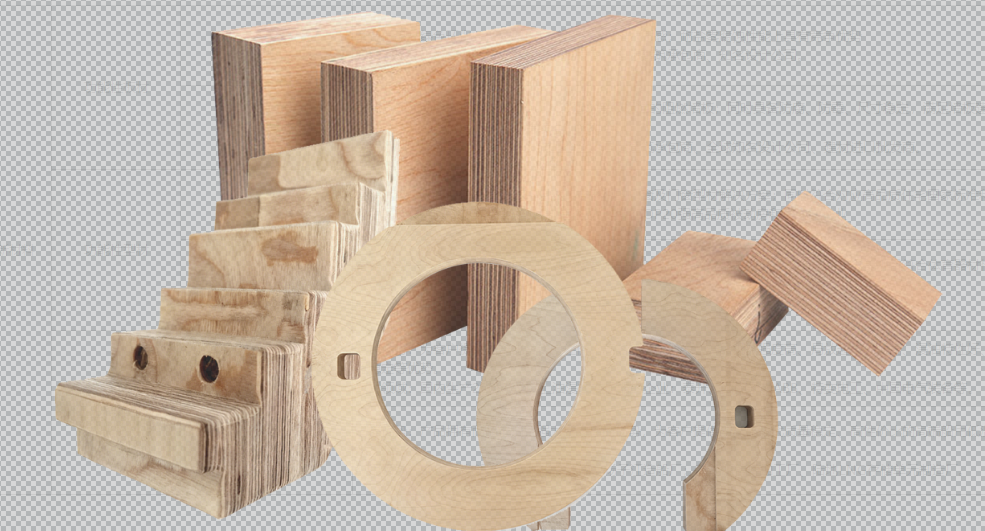
Cryogenic support wood for LNG ships and high-strength laminated insulation for 220KV+ transformers. A reliable alternative for imported high-end materials.
Manufacturing Performance & DFM
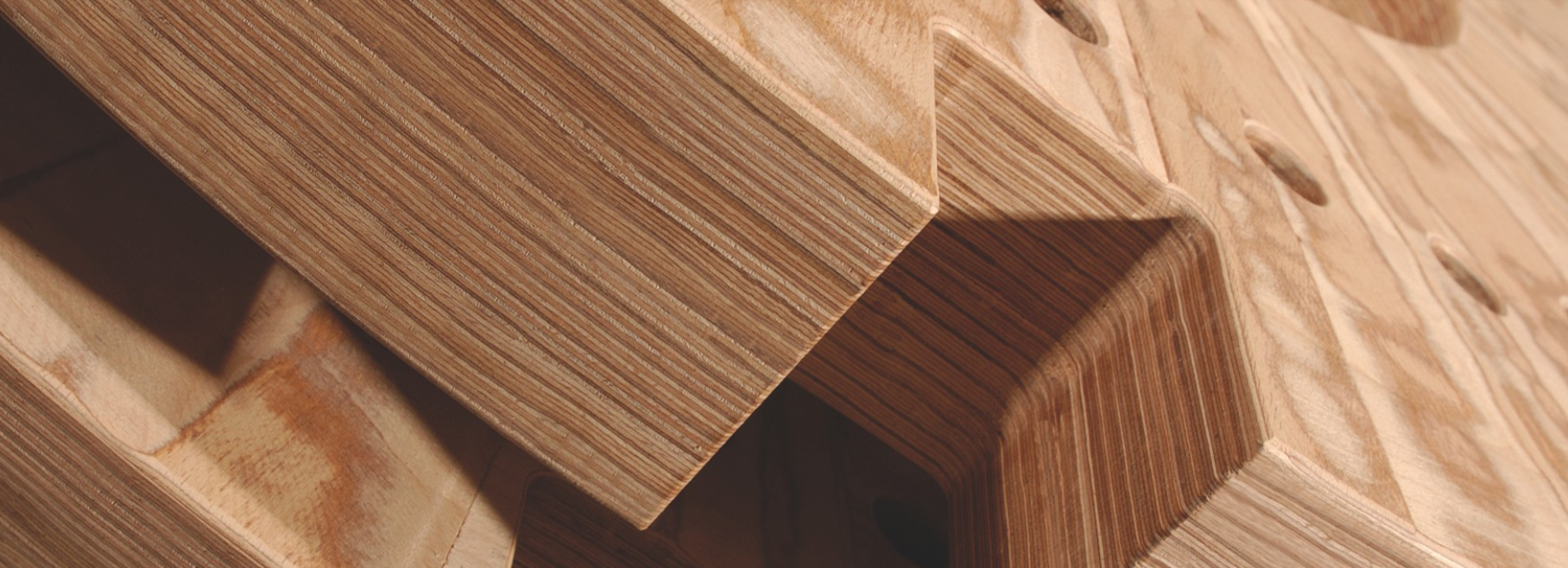
One of the primary concerns for contractors is the "workability" of the material. Chambroad's Modified Wood is designed to be processed with standard woodworking machinery. Whether it is extrusion for window profiles or CNC machining for intricate sports equipment like billiard tables and Pilates reformers, the material maintains its structural integrity without internal stresses.
- Stable Supply Chain: Domestically produced in China, ensuring cost-effective logistics compared to imported hardwoods.
- Consistent Texture: Every batch undergoes rigorous quality control to ensure color uniformity and grain consistency.
Success Story: Cryogenic Marine Logistics
"The challenge was creating support structures for LNG fuel tanks that could withstand ultra-low temperatures while maintaining extreme mechanical strength."
Challenge
High-cost dependency on imported cryogenic wood for LNG carriers.
Solution
Chambroad Marine Support Wood—engineered for cryogenic stability.
Result
30% cost reduction and 100% domestic substitution with superior performance.
Frequently Asked Questions
Is modified wood truly eco-friendly?
Yes. By utilizing biomass modification rather than toxic chemical preservatives, the wood remains recyclable and sequesters carbon throughout its extended lifecycle.
What fire ratings can Chambroad products achieve?
Our flame-retardant wall panels meet the rigorous Class B-s1, d0 standards, making them suitable for high-rise commercial and residential projects.
Can I use these materials for high-voltage industrial applications?
Absolutely. Our insulation laminated wood is specifically engineered for 220KV and above oil-immersed transformers, offering high mechanical strength and stable operation.
Shape the Future of Sustainable Construction
The strategic adoption of Modified Wood is no longer just an aesthetic choice; it is a commitment to safety, longevity, and environmental responsibility. Chambroad continues to lead the industry in bio-based material innovation.
Meet Us at CHINAPLAS 2026
Discover our latest functional profiles and industrial wood solutions in person. We invite architects, wholesalers, and engineers to explore our sample kits and technical data sheets.
Booth: [6.2 A02]