


.png?imageMogr2/crop/220x71/gravity/center/format/webp)

Polypropylene Copolymer vs. Homopolymer: The Ultimate Selection Guide for Optimal Performance
A Strategic Engineering Framework by Chambroad
The Core Dilemma in PP Selection: When designing a part with polypropylene, one of the most fundamental and critical decisions is choosing between a Homopolymer (PP-H) and a Polypropylene Copolymer (PP-C). This choice directly dictates the final product's balance of stiffness, impact resistance, clarity, and chemical resistance. Selecting the wrong base polymer type is a root cause of part failure, excessive cost, or manufacturing headaches. This guide provides a clear, application-driven framework to navigate this choice with confidence, ensuring your design achieves its intended performance and durability.
1. Executive Summary: The Fundamental Trade-Off
Your choice between homopolymer and copolymer hinges on a core performance trade-off. The following table provides the high-level decision matrix:
| Decision Driver | Choose Homopolymer (PP-H) When Your Priority Is: | Choose Polypropylene Copolymer (PP-C) When Your Priority Is: |
|---|---|---|
| Primary Property | Maximum Stiffness, Strength & Heat Resistance | Superior Impact Toughness (especially at low temperatures) & Clarity |
| Typical Compromise | Lower impact strength, more brittle, especially in cold environments. | Lower stiffness, modulus, and heat deflection temperature (HDT). |
| Key Process | Polymerization of propylene only. | Polymerization of propylene with another monomer (ethylene). |
| Main Types | One primary category. | 1. Random Copolymer (PP-R): Ethylene randomly incorporated into chain. 2. Impact Copolymer (PP-ICP or Block Copolymer): Rubber-like ethylene-propylene phases dispersed in a PP matrix. |
2. Molecular Structure & Performance: A Clear Cause and Effect
The performance differences stem directly from the polymer's molecular architecture.
Homopolymer (PP-H): Consists of long chains containing only propylene monomers. This regularity allows the chains to pack tightly into highly crystalline regions. High crystallinity translates to high rigidity, tensile strength, chemical resistance, and a higher heat deflection temperature. However, this ordered structure also makes it more brittle under impact.
Random Polypropylene Copolymer (PP-R): Ethylene monomers (typically 1-7%) are randomly incorporated into the polypropylene chain. This disrupts the chain regularity, reducing crystallinity. The result is a clearer, more transparent material with improved impact strength over homopolymer, while still maintaining good stiffness. It also offers better stress crack resistance.
Impact Copolymer (PP-ICP): This is a reactor-made composite. A continuous phase of PP homopolymer (for stiffness) has a dispersed phase of an ethylene-propylene rubber (EPR) within it. Under stress, these rubbery particles absorb energy, dramatically increasing impact strength, especially at sub-zero temperatures, while the PP matrix maintains structural integrity. This comes at the cost of lower stiffness, haze, and often a higher cost.
3. Head-to-Head Comparison: Property by Property
| Property | Homopolymer (PP-H) | Random Copolymer (PP-R) | Impact Copolymer (PP-ICP) | Industrial Implication |
|---|---|---|---|---|
| Stiffness / Modulus | Excellent (Highest) | Good | Fair to Good | PP-H is best for structural rigidity. |
| Tensile Strength | Excellent (Highest) | Good | Fair to Good | PP-H maintains shape under load best. |
| Impact Strength | Poor to Fair | Fair to Good | Excellent (Highest) | PP-ICP is essential for impact parts. |
| Low-Temp Impact | Poor | Fair | Excellent | PP-ICP is critical for cold storage. |
| Clarity | Opaque | Good to Excellent | Opaque (Hazy) | PP-R for see-through applications. |
| Heat Resistance | Excellent (Highest) | Good | Fair to Good | PP-H preferred for sustained heat. |
4. Application Selection Guide: Matching Polymer Type to Function
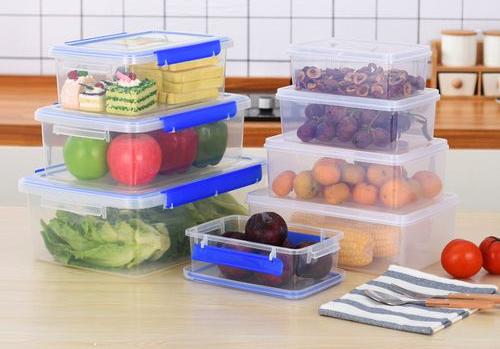
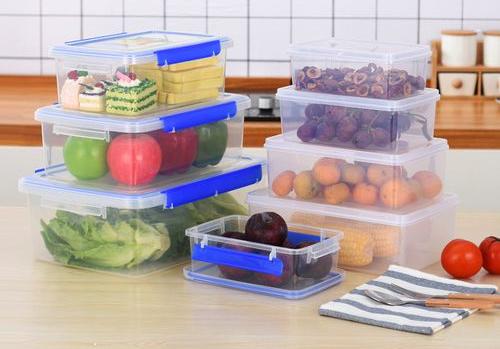
Rigid Packaging
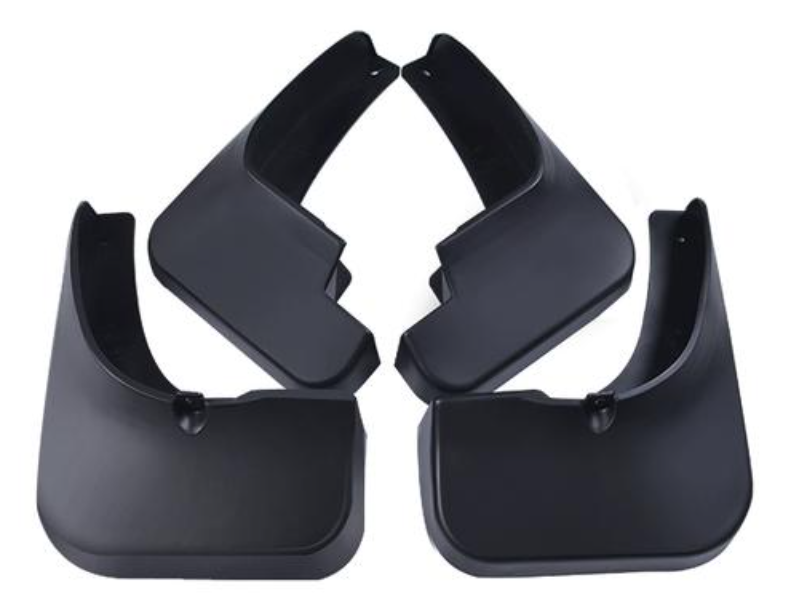
Automotive
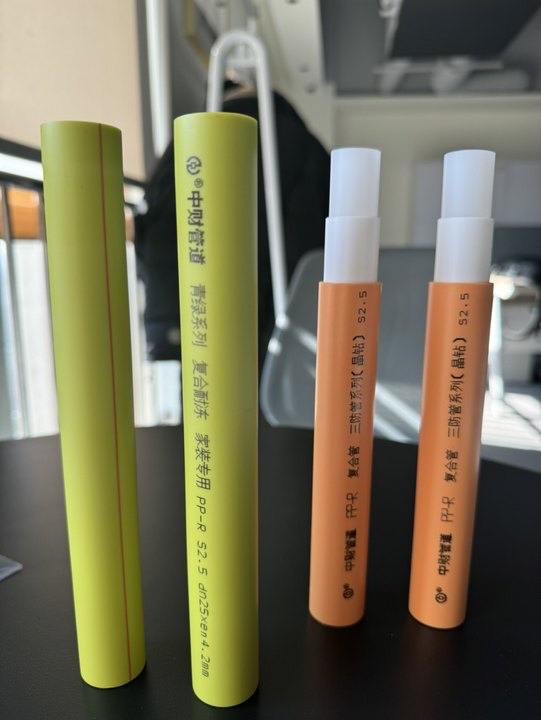
Industrial
Healthcare
5. Beyond the Basics: Advanced Considerations & Blending
Additives
Both types serve as base resins for compounding with glass fibers or mineral fillers to enhance UV stability and flame retardancy.
Processing
ICPs may require specific screw designs to homogenize the rubber phase without degradation. Chambroad provides specialized technical support.
Cost Analysis
Homopolymer is generally most cost-effective, while Impact Copolymer carries a premium due to complex polymerization.
6. Common Questions from Design & Procurement Teams
1. Can we get both high impact and high clarity in one material?
This is a challenge. However, grades like HI340R are engineered to break through the traditional transparency-toughness trade-off.
2. Is homopolymer always brittle?
While inherently less tough, brittleness can be improved through part design and avoiding sharp corners.
3. How do we choose between Random and Impact Polypropylene Copolymer for a tough part?
The key is low-temperature performance. For freezing conditions, an Impact Copolymer is mandatory.
7. Conclusion: A Strategic Choice, Not a Guess
The choice between Polypropylene Copolymer and homopolymer is not arbitrary—it is the first and most strategic step in material specification. By understanding the fundamental property trade-offs—stiffness vs. toughness, clarity vs. low-temperature performance—you can select the base polymer that aligns perfectly with your part's functional, aesthetic, and environmental demands.
Test Your Material Hypothesis with Real Samples.
Theoretical guides are a starting point. The final validation comes from hands-on testing with your specific part design and processing conditions.
We invite you to discuss your application at CHINAPLAS 2026.
Visit the Chambroad booth to see physical demonstrations of how different PP types perform. Explore our full range, from high-clarity random copolymers to super-tough impact copolymers, and engage with our engineers to pinpoint the optimal grade for your project.
See the full spectrum of polypropylene innovation:
CHINAPLAS 2026 International Rubber & Plastics Exhibition
Date: April 21-24, 2026
Venue: National Exhibition and Convention Center (Shanghai), China
Booth: [6.2 A02]
Disclaimer: This guide is for informational purposes. Material performance depends on part design and processing parameters.
Ready to Optimize Your Material Selection?
Discover the full range of Chambroad high-performance polypropylene solutions.
Explore Chambroad Solutions