



.png?imageMogr2/crop/220x71/gravity/center/format/webp)

.png?imageMogr2/format/webp)
Nonwoven Fabric Material Uses in Filtration, Medical, and Industrial Applications
A comprehensive technical analysis of how modern nonwoven technology drives performance in high-stakes environments.
Introduction
In the rapidly evolving landscape of advanced engineering, the selection of high-performance components has become the cornerstone of industrial success. Among these components, Nonwoven Fabric Material stands out as a versatile and indispensable asset. Unlike traditional textiles that rely on the interlacing of yarns, nonwovens are engineered structures created by bonding fibers through mechanical, thermal, or chemical processes. This unique manufacturing approach allows for tailored properties that meet the rigorous demands of filtration systems, medical safeguards, and industrial heavy-duty applications.
As global industries pivot toward higher efficiency and sustainability, companies like Chambroad are leading the way by providing specialized solutions that bridge the gap between raw chemical potential and functional utility. Whether it is ensuring the air we breathe is free of contaminants or providing the structural integrity for automotive interiors, the strategic use of Nonwoven Fabric Material is a primary driver of modern innovation.
What is Nonwoven Fabric?
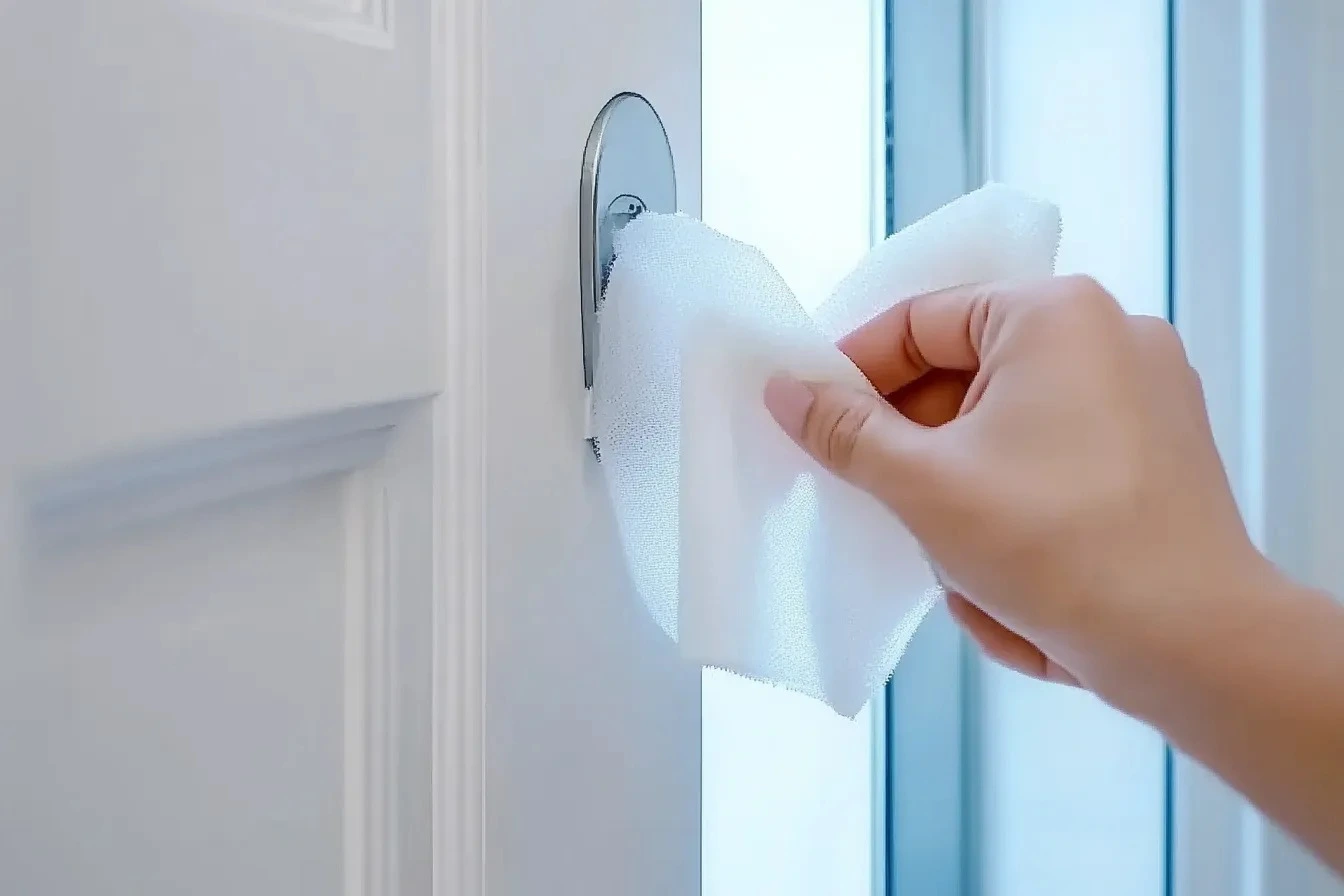
By definition, nonwoven fabric is a web-like material made from fibers (both long and short) that are bonded together. The process bypasses the traditional weaving or knitting stages, making the production faster and often more cost-effective. Depending on the desired end-use, different bonding methods are applied:
- Spunbond: Created by extruding molten polymer through spinnerets to form continuous filaments, which are then laid into a web and thermally bonded. It offers high tensile strength and durability.
- Meltblown: This process uses high-velocity air to attenuate molten thermoplastic resins into extremely fine microfibers. This results in a web with superior filtration efficiency and barrier properties.
- Needle-punched: A mechanical bonding process where barbed needles are used to interlock fibers, resulting in a dense, felt-like material ideal for heavy industrial use.
Core Performance Properties
Filtration Efficiency
The ability to trap particles while maintaining airflow is the hallmark of premium Meltblown layers. This property is vital for HEPA filters and safety equipment.
Breathability
By controlling the porosity of the Nonwoven Fabric Material, manufacturers achieve a balance between protection and air permeability, critical for medical comfort.
Chemical Resistance
Advanced polymers used by Chambroad ensure that the fabrics can withstand exposure to harsh chemicals, oils, and industrial solvents without degrading.
High-Performance Filtration Applications
Filtration is perhaps the most technically demanding application for nonwovens. Whether it is air, liquid, or oil, the randomly oriented fiber structure provides a labyrinth that effectively captures contaminants through interception, impaction, and diffusion.
Air Filtration & HVAC
In HVAC systems and high-end air purifiers, Meltblown layers are used to capture microscopic dust and allergens. The electrostatically charged fibers in Nonwoven Fabric Material significantly boost the capture rate of fine particulate matter (PM2.5).
Industrial Liquid Treatment
For water treatment and coolant filtration in manufacturing, Needle-punched nonwovens offer the durability required to handle high pressure. Solutions like the KNE-PBTP200 composite filter material demonstrate high temperature and chemical resistance, perfect for extreme environments.
Precision in Medical Applications
In the medical sector, hygiene and barrier protection are non-negotiable. Nonwoven Fabric Material has replaced traditional cotton in many clinical settings due to its superior ability to prevent cross-contamination. Chambroad provides specialized polymers, such as medical-grade Polypropylene, to create fabrics that are both soft on the skin and impervious to pathogens.
Critical Use Cases:
- Surgical Masks: Multi-layer SMS (Spunbond-Meltblown-Spunbond) structures.
- Protective Gowns: Lightweight yet durable barriers against fluids.
- Sterilization Wraps: Maintaining instrument sterility during storage.
- Elastic Base Fabrics: Products like the KNE-APFM Series offer conformability for wound care.
.png?imageMogr2/format/webp)
Versatile Industrial Applications
Beyond filtration and medicine, the industrial sector leverages the mechanical strength of nonwovens for structural and protective purposes.
Automotive Interiors
Used for headliners, trunk liners, and acoustic insulation. Polyolefin elastomer modifications (like G6012/G6045) improve impact resistance and weight reduction in modern vehicles.
Geotextiles
Nonwoven geotextiles provide soil stabilization, drainage, and erosion control in civil engineering projects, such as road and railway construction.
Building Insulation
Nonwoven webs act as vapor barriers and thermal insulators, enhancing the energy efficiency of sustainable architectural designs.
Material Selection Guide for Engineers
Choosing the right Nonwoven Fabric Material requires a deep understanding of the environment in which it will operate. Engineers should follow this logic:
Priority: Filtration
Select Meltblown fibers. Look for high surface area and electrostatic charging capabilities to ensure sub-micron particle capture.
Priority: Durability
Select Spunbond or Needle-punched. These provide the tensile strength required for load-bearing industrial uses.
Priority: Medical Safety
Select Medical-grade PP or SMS composites. Ensure the material meets global biocompatibility and fluid resistance standards.
Comparison of Nonwoven Technology Types
| Type | Tensile Strength | Filtration Capability | Relative Cost | Typical Use |
|---|---|---|---|---|
| Spunbond | Very High | Low to Medium | Low | Shopping bags, Geotextiles |
| Meltblown | Low | Excellent | Medium | Respirators, Oil Absorbents |
| SMS Composite | High | High | Medium-High | Surgical Gowns, Masks |
| Needle-punched | High | Medium (Deep) | Low-Medium | Auto Carpets, Insulation |
Challenges and Future Directions
Despite its benefits, the Nonwoven Fabric Material industry faces challenges, primarily regarding reusability and environmental impact. Most high-performance nonwovens are synthetic (polypropylene, polyester), which can be difficult to recycle. However, Chambroad is pioneering the use of bio-based breakthroughs and circular economy solutions. By developing modified materials that maintain performance while improving degradability, the industry is moving toward a more sustainable future.
Frequently Asked Questions
What is nonwoven fabric used for?
It is used across diverse industries for air and liquid filtration, medical barriers (masks/gowns), automotive components, agricultural covers, and civil engineering geotextiles.
Is nonwoven fabric good for filtration?
Yes, it is the gold standard for filtration. The randomized fiber network provides high surface area and tortuous paths that trap particles much more effectively than woven fabrics.
What is the difference between spunbond and meltblown?
Spunbond uses thicker filaments for strength and durability, while Meltblown produces ultra-fine microfibers for superior barrier and filtration properties.
Is nonwoven fabric reusable?
While many medical and filtration nonwovens are designed for single-use to ensure hygiene, industrial and geotextile versions are highly durable and designed for long-term multi-year use.
Meet Chambroad at CHINAPLAS 2026
Discover the next generation of high-performance materials and sustainable chemical solutions. We invite you to join our technical experts for a deep dive into advanced material science.
Date: April 21–24, 2026 | Booth: 6.2 A02
© 2026 Chambroad Chemical Solutions. All Rights Reserved.